
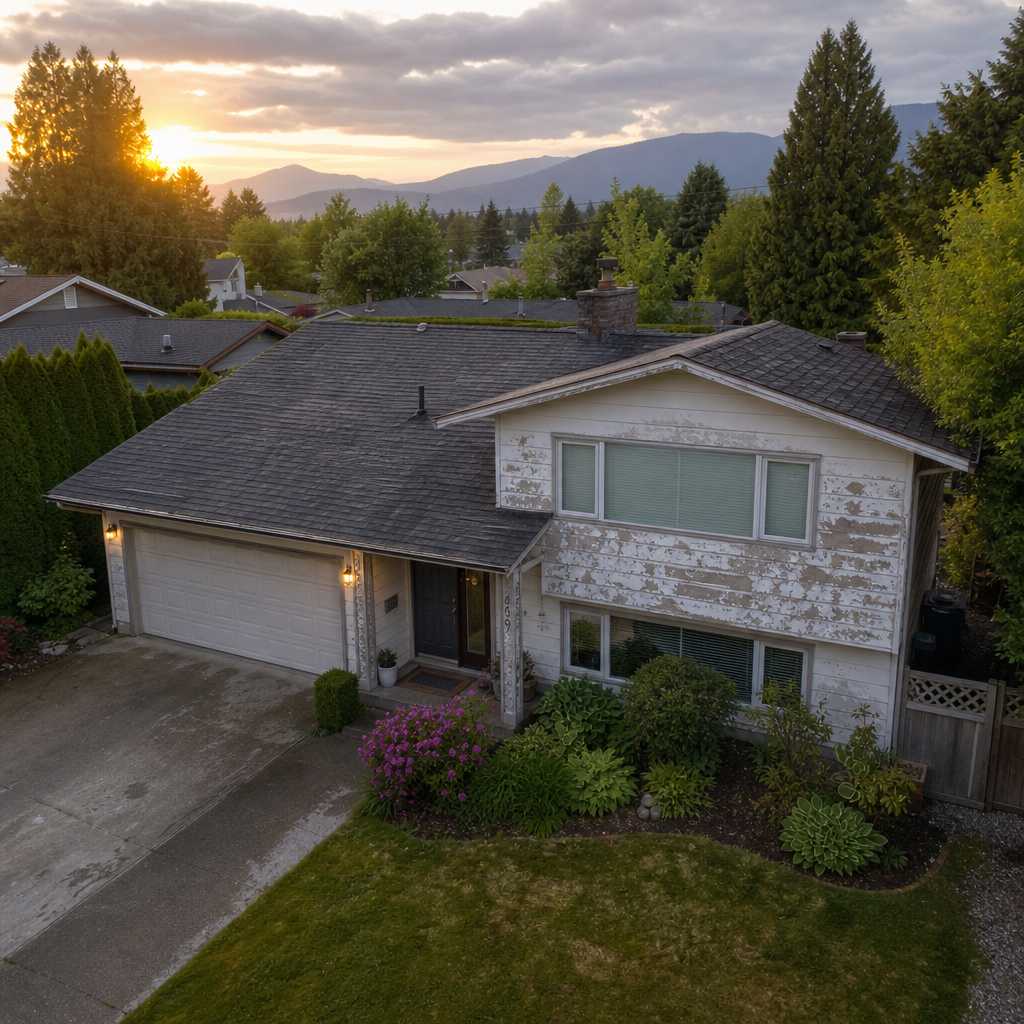
Most exterior paint failures in the Fraser Valley are not the result of cheap paint. They are the result of painting at the wrong time, skipping proper surface preparation, or selecting a product that cannot handle the region’s specific climate patterns. For homeowners in Abbotsford, Langley, Surrey, and across the Lower Mainland, exterior painting Fraser Valley conditions are genuinely different from what you would face in drier interior climates, and those differences matter enormously for how long a paint job actually lasts.
Table of Contents
- Quick Takeaways
- Why the Fraser Valley Climate Changes Everything About Exterior Painting
- The Best Time to Paint the Exterior of Your Home in the Fraser Valley
- Surface Preparation: The Step That Determines Whether Your Paint Lasts
- Paint Selection for Fraser Valley Conditions
- Comparing Exterior Paint Types for the Lower Mainland
- Exterior House Painting Tips From 35 Years of Local Experience
- What to Look for in a Painting Company in Abbotsford and the Fraser Valley
- Frequently Asked Questions
- References
Quick Takeaways
| Key Insight | Explanation |
|---|---|
| Paint only between 10°C and 29°C | Temperatures outside this range cause improper film formation, leading to peeling and blistering within one to two seasons. |
| Surface moisture is the top failure cause | In the Fraser Valley’s wet climate, painting over damp wood or stucco traps moisture and causes premature paint failure. Always test substrate moisture before starting. |
| 100% acrylic latex outperforms oil-based paint outdoors | Acrylic latex flexes with seasonal temperature swings, resists mildew, and retains color far better than oil-based alternatives in BC’s wet conditions. |
| Primer is non-negotiable on bare wood or repainted surfaces | Skipping primer on bare wood or glossy old paint reduces adhesion and cuts paint longevity by 30 to 50 percent. |
| Late May through September is the optimal painting window | This window offers the lowest rainfall probability and temperatures consistently above 10°C across Abbotsford, Langley, and Surrey. |
| Two coats is a minimum standard, not a premium option | One coat of even premium paint will not provide adequate hiding power or durability on exterior surfaces exposed to Fraser Valley weather. |
| Mildew-resistant formulations matter here specifically | Annual rainfall in Abbotsford exceeds 1,500 mm. Without mildew-resistant additives in your paint, biological growth will visibly return within two to three years. |
Why the Fraser Valley Climate Changes Everything About Exterior Painting
The Fraser Valley receives between 1,400 mm and 1,700 mm of precipitation annually depending on the specific municipality. Abbotsford averages roughly 1,530 mm per year, according to Environment and Climate Change Canada. Compare that to Metro Vancouver at around 1,150 mm and you begin to understand why exterior paint failures are more common here than many homeowners expect.
The challenge is not just rain volume. It is the pattern: long wet seasons from October through April, followed by a relatively dry summer window. This means exterior surfaces spend more than half the year under sustained moisture stress. Wood siding absorbs and releases moisture repeatedly, causing constant expansion and contraction. Paint that does not flex with that movement cracks, bubbles, and lifts.
Stucco, a very common exterior finish in Abbotsford and Langley, presents its own set of complications. Stucco is porous by nature. If it develops hairline cracks and those are not sealed before painting, water migrates behind the paint film and causes delamination from within. In practice, we see more stucco failure from inadequate crack-sealing than from any other single cause.

The other factor homeowners underestimate is temperature swing. A clear September day in Abbotsford can see a morning temperature of 8°C rising to 22°C by afternoon. Paint applied to a cold surface that rapidly heats up before the film has properly formed will blister. Understanding the actual daily temperature cycle at your property, not just the forecast high, is something experienced painting professionals account for on every job.
The Best Time to Paint the Exterior of Your Home in the Fraser Valley
The clear answer is late May through the end of September. Within that window, July and August carry the lowest risk of rain interruption and the most consistent daytime temperatures above 15°C. If you are scheduling a painting project for your home in Surrey or Abbotsford, those two months book up quickly with professional painting companies for this exact reason.
Early Spring and Late Fall: Higher Risk Than People Realize
A common mistake is assuming that a week of dry, sunny April weather is a safe painting window. April in the Fraser Valley has an average of 15 to 18 rain days per month. Even if the paint goes on dry, overnight temperatures regularly drop below the minimum application threshold of 10°C for most latex products. Cold nights during the curing period, not just during application, compromise film formation.
Similarly, October feels dry after a wet September, but nighttime temperatures become unreliable. Painting a home’s exterior in October in Langley or Abbotsford is a gamble most professional painters will advise against, and for good reason.
Reading Weather for a Professional-Grade Paint Schedule
The rule used by experienced exterior painters is simple: no rain forecast within 24 hours of application, no rain forecast for 24 hours after application, overnight lows above 10°C, and relative humidity below 85 percent. Check these conditions at the specific location, not just the nearest city forecast. Fraser Valley microclimates vary significantly between Aldergrove and Chilliwack, for example.
Pro tip: Schedule your exterior painting project to start on a Monday in mid-July. This gives your painting crew a full five-day working window with the best statistical chance of uninterrupted dry weather across the Lower Mainland.
Surface Preparation: The Step That Determines Whether Your Paint Lasts
Paint is only as durable as the surface it bonds to. This is not a cliche. It is the most consistently proven principle in exterior coating work. A $150-per-gallon premium paint applied over a poorly prepared surface will fail before a $60-per-gallon product applied over a properly prepared one.
Pressure Washing: The Right Way and the Wrong Way
Pressure washing is the standard first step on almost every exterior paint project in the Fraser Valley. Done correctly, it removes dirt, mildew, chalked old paint, and organic debris. Done incorrectly, it drives moisture deep into wood grain or forces water behind clapboard siding where it stays for days.
The correct approach is to use 1,500 to 2,000 PSI for most residential siding, always working with the grain on wood and always maintaining the correct spray angle to push water away from the structure rather than into it. After washing, the surface must dry for a minimum of 48 to 72 hours, longer if the weather has been cool and overcast.
Scraping, Sanding, and Priming
Any paint that is already peeling, flaking, or bubbling must be removed. Painting over failing paint is the most reliable way to guarantee your new paint fails in the same spots within two years. After scraping, sand all edges smooth to eliminate the sharp paint edges that cause new paint to lift.
On bare wood exposed by scraping, spot-prime immediately. Do not leave bare wood unprimed overnight, even in dry weather. Wood will absorb ambient moisture and surface oils that reduce primer adhesion.
Pro tip: On homes with cedar siding, which is very common in older Abbotsford and Langley neighborhoods, use a shellac-based or oil-based primer on all bare spots. Cedar contains natural tannins that bleed through water-based primers and cause brown staining on your finished surface.
Caulking and Crack Repair
Every penetration, joint, and seam in the exterior envelope must be inspected and re-caulked before painting. This includes window and door frames, trim joints, and any area where two different materials meet. Use a paintable, flexible siliconized acrylic caulk rated for exterior use. Avoid pure silicone caulks on surfaces you intend to paint, as paint will not bond to them properly.
For stucco cracks wider than 1 mm, use an elastomeric patching compound rather than standard caulk. Elastomeric materials flex with the stucco and resist re-cracking under temperature-driven movement.

Paint Selection for Fraser Valley Conditions
The Fraser Valley’s climate narrows the smart product selection down considerably. High moisture exposure, biological growth pressure from all that rainfall, and the temperature cycling between seasons all point toward the same category: 100% acrylic latex exterior paint with a mildew-resistant formulation.
Why Oil-Based Paint Is the Wrong Choice for Most Exterior Work Here
Oil-based exterior paints were the industry standard for decades, and they still have specific niche applications, particularly on metal surfaces. However, for wood siding, trim, and stucco in the Fraser Valley, they are the wrong call. Oil-based paint becomes brittle over time and cannot flex with the wood movement that wet winters cause. Cracking starts within five to seven years on many Fraser Valley homes painted with oil-based products.
Cleanup, VOC concerns, and longer dry times are secondary issues. The core problem is brittleness in a climate that demands flexibility.
Sheen Level Matters More Than Most Homeowners Know
Flat and matte finishes have almost no place on exterior surfaces in the Fraser Valley. They absorb water, are nearly impossible to clean, and provide minimal resistance to the mildew and algae growth that wet BC winters promote. Satin is the minimum recommended sheen for exterior siding in this region, with semi-gloss appropriate for trim and doors. Eggshell sits in a middle ground and works on some siding types, but satin is the safer choice.
Premium vs. Builder-Grade Paint: Where the Difference Actually Shows
In exterior applications, the price difference between a builder-grade paint and a premium product is one of the few places where paying more genuinely pays off. Premium exterior paints contain higher pigment load, more binder resin, and better UV-stabilizers. The practical result is better hiding in two coats, better color retention after five years of sun exposure, and meaningfully better resistance to chalking.
“The quality of an exterior paint job is determined 70 percent by surface preparation and 30 percent by the product selected. But within that 30 percent, choosing the right product for your specific climate conditions makes the difference between a 7-year finish and a 12-year finish.” – Painting Contractors Association of BC, regional technical guidelines
For homes in Abbotsford and the broader Fraser Valley, products from manufacturers like Sherwin-Williams, Benjamin Moore, and PPG with dedicated exterior acrylic lines for high-moisture climates are the consistent professional choice. At Dreamscape Painting, we specify products based on the specific substrate and exposure of each project, not a one-size-fits-all brand preference.
Comparing Exterior Paint Types for the Lower Mainland
| Paint Type | Performance in Fraser Valley Conditions | Best Application |
|---|---|---|
| 100% Acrylic Latex (Premium) | Excellent. Flexes with temperature cycling, resists mildew, retains color under UV exposure, long service life of 10 to 15 years on prepared surfaces. | Wood siding, fiber cement, stucco, trim, most residential exteriors |
| Elastomeric Coating | Very good for specific substrates. Exceptional at bridging hairline cracks in stucco. Thicker film provides added moisture resistance. Not ideal for wood due to reduced breathability. | Stucco, masonry, concrete block exteriors with minor cracking |
| Oil-Based Alkyd Paint | Poor long-term performance in wet, temperature-variable climates. Becomes brittle, cracks within 5 to 7 years on wood. High VOC content creates disposal and health considerations. | Metal surfaces, some specialty trim applications only |
Exterior House Painting Tips From 35 Years of Local Experience
These are not general painting tips you can find on a product label. These are observations from decades of exterior painting work across Abbotsford, Langley, Surrey, and the wider Fraser Valley.
Paint in the Shade, Not in Direct Sun
Painting a surface in direct afternoon sun causes the paint to dry too quickly, leaving visible brush marks, roller stipple, and lap marks that are permanent once the paint cures. Move around the house so you are always working on the shaded side. In a typical Fraser Valley summer, this means starting on the east or north face in the afternoon and finishing on the west face in the morning.
Never Paint Into Wet Wood
Wood siding moisture content should be at or below 15 percent before painting. A basic pin-type moisture meter costs under $50 at any hardware store and takes five seconds to use. The data consistently shows that most DIY paint failures on wood siding in this region trace back to painting over wood with moisture content above 18 percent.
Two Coats Is a Minimum, Not an Upgrade
Some contractors in the Fraser Valley advertise one-coat exterior painting as a selling feature. In practice, one coat does not provide adequate film thickness for the moisture and UV exposure conditions here. Two coats of quality acrylic latex, applied at the correct spread rate, is the minimum standard for durable exterior work. A reputable painting company in Abbotsford will always include two coats in their standard scope.
Protect Landscaping and Hardscaping
Overspray and paint drips on concrete, pavers, and established plantings are a real cost on exterior projects. Proper drop cloth placement and masking take time but prevent disputes and damage claims. If a contractor does not discuss plant and surface protection with you before starting, that is a red flag about their overall process.
What to Look for in a Painting Company in Abbotsford and the Fraser Valley
Choosing a painting company in Abbotsford or anywhere in the Lower Mainland is not just about price. The lowest quote frequently reflects corners being cut in preparation, product quality, or crew experience, and those cuts show up on your house within three years.
Credentials and Insurance That Actually Matter
Any professional painting contractor working in BC should carry WorkSafeBC coverage and general liability insurance. Ask for certificates before work starts. This protects you if a worker is injured on your property or if paint overspray damages a neighbor’s vehicle. A company that hesitates to provide these documents is one to walk away from.
Written Quotes With Line-Item Detail
A professional estimate should specify the number of coats, the specific paint products being used, the surface preparation steps included, and what is explicitly excluded. A one-line quote that says “paint exterior of house, two coats” tells you nothing about what preparation is included. Vague quotes lead to disputes over scope once the work starts.
Dreamscape Painting has served the Fraser Valley for over 35 years with detailed written quotes, named products, and a preparation scope that is explicit so homeowners know exactly what they are paying for. That level of transparency is what separates professional painting companies from the segment of the market that competes purely on low price.
Local Track Record and References
Ask for references from exterior painting projects completed in the last two years in your specific area. A company that has painted homes in Abbotsford or Langley knows the specific stucco formulations, cedar siding ages, and moisture conditions common in those neighborhoods. Local knowledge is not a marketing phrase. It is practical expertise that affects every decision on your project.

The difference between a paint job that lasts seven years and one that lasts fourteen often comes down to the first 48 hours of work before a drop of paint is applied. Choosing a company that prioritizes preparation as seriously as product selection is the single most important decision in the process.
Frequently Asked Questions
How long does exterior paint last on a Fraser Valley home?
A properly prepared exterior with two coats of premium 100% acrylic latex paint should last 10 to 15 years on most substrates in the Fraser Valley. Homes with cedar siding that was not primed correctly or stucco with unrepaired cracks will see premature failure in 5 to 7 years. The condition of the surface before painting and the quality of preparation matter more than any other variable.
Can I paint the exterior of my house in October in Abbotsford?
It is not recommended. October in Abbotsford carries increasing rain frequency and overnight temperatures that regularly drop below 10°C, which is the minimum safe application temperature for most acrylic latex exterior paints. Paint applied in marginal temperatures fails to form a proper film and will show adhesion problems within one to two winters. The risk is not worth the cost savings from painting late in the season.
Do I need to pressure wash before painting even if the surface looks clean?
Yes. Surfaces that look clean to the eye still carry chalk residue from old paint, airborne pollutants, mildew spores in the microscopic surface profile, and surface oils. Paint does not bond reliably to any of these contaminants. Skipping the wash step is one of the most common reasons professionally painted surfaces start peeling within three to four years. Washing is preparation, not an optional add-on.
What is the best exterior paint color to use in the Fraser Valley’s rainy climate?
Color itself does not affect moisture performance, but it does affect heat absorption and UV fading. Very dark colors on south-facing walls in the Fraser Valley absorb significantly more heat, which accelerates the expansion and contraction cycle in wood siding. This is not a reason to avoid dark colors entirely, but it is a reason to ensure proper preparation and to select a paint with high-quality UV stabilizers. Lighter to medium tones give you more flexibility in product selection and longer color retention.
Is one coat of exterior paint ever acceptable?
For a full repaint, no. One coat is acceptable only for touch-up work on isolated damaged areas where the existing paint is in otherwise sound condition. For a complete exterior repaint, one coat does not provide adequate film build to protect the substrate from Fraser Valley moisture levels, and the color coverage on most tones will be visibly uneven. Any contractor quoting a full exterior repaint with a single coat should be asked directly how they justify that scope.
How do I know if a painting company in Abbotsford is reputable?
Ask for WorkSafeBC and liability insurance certificates, a line-item written quote specifying products and coats, and references from exterior projects completed in the last two years within the Fraser Valley. Check for reviews that specifically mention exterior work and whether the prep process was described clearly. A company with more than a decade of local exterior painting history and consistent reviews is a far safer choice than one competing on the lowest price alone.
Have you recently tackled an exterior painting project on your Fraser Valley home? Share what preparation steps made the biggest difference for you, or ask a question about your specific situation in the comments below.
References
- Environment and Climate Change Canada: regional precipitation and climate data for British Columbia
- National Research Council Canada: building envelope performance and exterior coating standards
- US Environmental Protection Agency: VOC regulations and exterior paint composition guidelines
- Forbes Home: what homeowners should know about professional exterior painting costs and quality standards
- Statista: painting and decorating industry market data and consumer spending trends in Canada

