

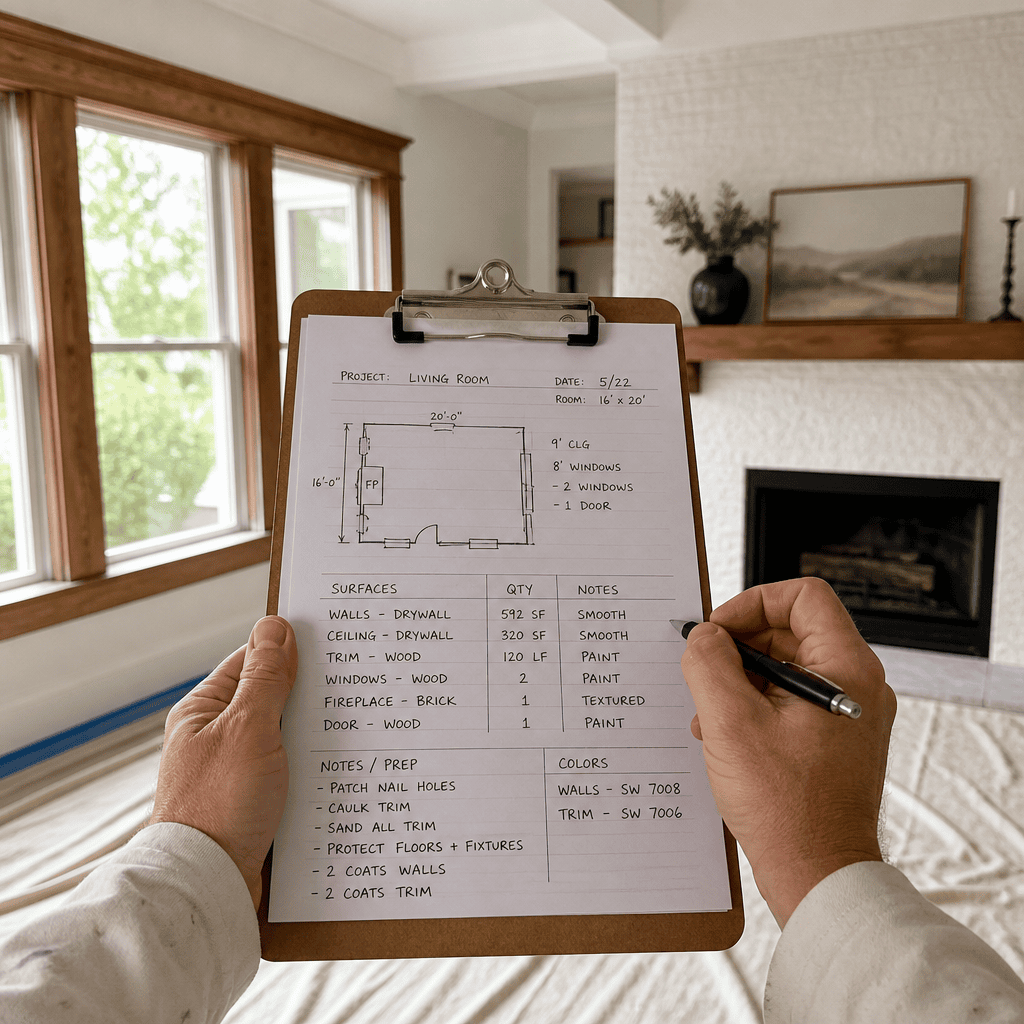
Most homeowners hiring a painting company in Vancouver or the Fraser Valley have no idea what actually happens between the moment they request a quote and the day the painters pack up and leave. That gap in knowledge leads to frustration, missed expectations, and projects that drag longer than they should. At Dreamscape Painting Ltd., a family-owned company that has been operating across the Lower Mainland since 1990, every project follows a structured, repeatable process built on over three decades of real jobsite experience. This article walks you through exactly what that process looks like, step by step, so you know what to expect before you sign anything.
Table of Contents
- Quick Takeaways
- Why the Process Matters More Than the Price
- What Happens During a Free Painting Estimate in the Lower Mainland
- Scheduling, Pre-Job Communication, and Site Preparation
- Surface Preparation: The Step Most Painters Rush
- Painting Execution: Priming, Coats, and Quality Checks
- How Dreamscape Compares to Other Painting Approaches
- The Final Walkthrough and Touch-Up Phase
- Frequently Asked Questions
- References
Quick Takeaways
| Key Insight | Explanation |
|---|---|
| A free estimate is a diagnostic, not just a quote | Dreamscape estimators assess surface conditions, paint requirements, and project scope in person before any number is given. |
| Surface prep accounts for up to 80% of a paint job’s quality | Filling, sanding, priming, and cleaning surfaces properly is what separates a job that lasts 10 years from one that peels in 18 months. |
| Professional painters protect your home during the job | Furniture moving, drop cloth placement, and tape masking are standard at Dreamscape, not optional add-ons. |
| Primer is non-negotiable on bare or repaired surfaces | Skipping primer on patched drywall or raw wood is a common shortcut that causes visible failure within months. |
| A final walkthrough is a quality assurance step, not a formality | Dreamscape painters conduct a room-by-room inspection with the homeowner before the job is considered complete. |
| Cleanliness is a core deliverable, not an afterthought | Paint lines, floors, hardware, and fixtures are cleaned and inspected before painters leave the property. |
| Detailed estimates prevent billing surprises | A written, itemized estimate from Dreamscape covers labour, materials, number of coats, and specific areas, so there are no vague line items. |
Why the Process Matters More Than the Price
When homeowners in Abbotsford, Langley, or Surrey call around for painting quotes, the conversation usually starts with one question: how much? That is the wrong first question. The right question is: what exactly is included in that number?
A low quote from a painting company in Vancouver often reflects a compressed process. Fewer coats, lighter surface prep, no primer on repaired areas, and a fast exit at the end. The result looks acceptable on day one and starts failing by year two. A structured process, on the other hand, produces a finish that holds up against the Lower Mainland’s notorious moisture and temperature swings.
At Dreamscape Painting, the process is not informal. It is the same sequence executed on every job, whether it is a single-room repaint in Langley or a full exterior refresh on a Surrey commercial property. That consistency is what makes quality repeatable, not accidental.
What Happens During a Free Painting Estimate in the Lower Mainland
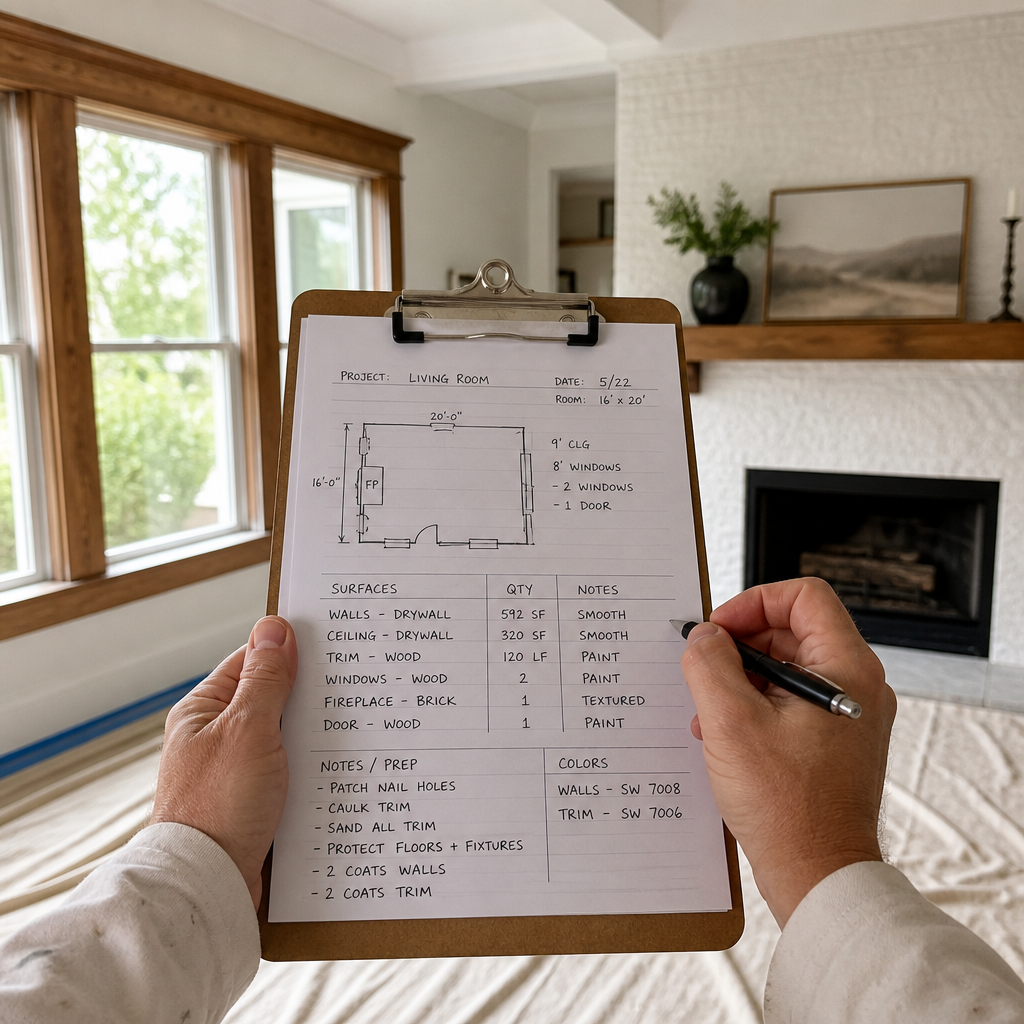
A free painting estimate in the Lower Mainland from Dreamscape is not a five-minute walkthrough where someone scans the room and names a price. It is a proper site assessment conducted by an experienced estimator, not a salesperson.
What the Estimator Looks For
The estimator examines surface conditions closely. That includes checking for moisture damage, cracks, peeling existing paint, and areas that need patching or priming before topcoats can be applied. On exterior projects, they assess wood condition, caulking gaps, and the current coating’s adhesion. These details directly affect material quantities and labour time.
The estimator also reviews the number of rooms, ceiling heights, trim complexity, and whether furniture needs to be moved or protected. All of this is factored into a written scope of work, not left as verbal assumptions that get disputed later.
What a Good Estimate Looks Like on Paper
A professional estimate should specify the areas being painted, the number of coats, the paint product being used, surface preparation steps included, and the total price broken down by labour and materials. Vague estimates written on a napkin or delivered as a single round number are a red flag. In practice, any painting company that cannot explain exactly what is included in their quote is likely cutting corners somewhere.
Pro tip: Before signing any painting estimate, ask the company to specify the exact paint product by brand and sheen level. If they cannot or will not, assume they are planning to use the cheapest available option regardless of what they told you during the walkthrough.
Scheduling, Pre-Job Communication, and Site Preparation
Once the estimate is accepted and the project is booked, Dreamscape’s process moves into scheduling and pre-job communication. This phase is where many contractors go quiet, leaving homeowners unsure of start dates, crew size, and what they need to do to prepare their space. That is not how this company operates.
What Dreamscape Communicates Before the Job Starts
Homeowners receive a confirmed start date, an expected daily schedule, and a clear list of what needs to be done before the crew arrives. That typically includes removing fragile items from shelves, clearing space around walls, and identifying any specific areas of concern that came up during the estimate but should be flagged again on day one.
How the Crew Handles Site Setup
On arrival, the crew moves remaining furniture to the center of rooms or covers it with drop cloths. Floors are protected with canvas drop cloths, not plastic sheeting, which slides and tears. Hardware such as outlet covers, switch plates, and door hinges is removed and bagged so it does not get painted over. These are not optional extras. They are the baseline standard on every Dreamscape interior job.
Exterior jobs involve setup that homeowners often underestimate. That includes protecting landscaping and garden beds, taping windows and trim, and staging ladders and scaffolding safely. A crew that skips these steps is not being efficient. They are transferring risk onto your property.
Surface Preparation: The Step Most Painters Rush
Surface preparation is the single most important phase of any paint job, and it is also the phase that separates professional painters from shortcuts. The paint industry consistently supports this position: the Painting and Decorating Contractors of America has long documented that improper surface prep is the leading cause of premature paint failure, not product quality.
“The most expensive paint applied to a poorly prepared surface will fail faster than the cheapest paint applied correctly.” This principle, repeated across professional trade organizations, underpins the way Dreamscape Painting has approached every job since 1990.
Interior Surface Prep Steps
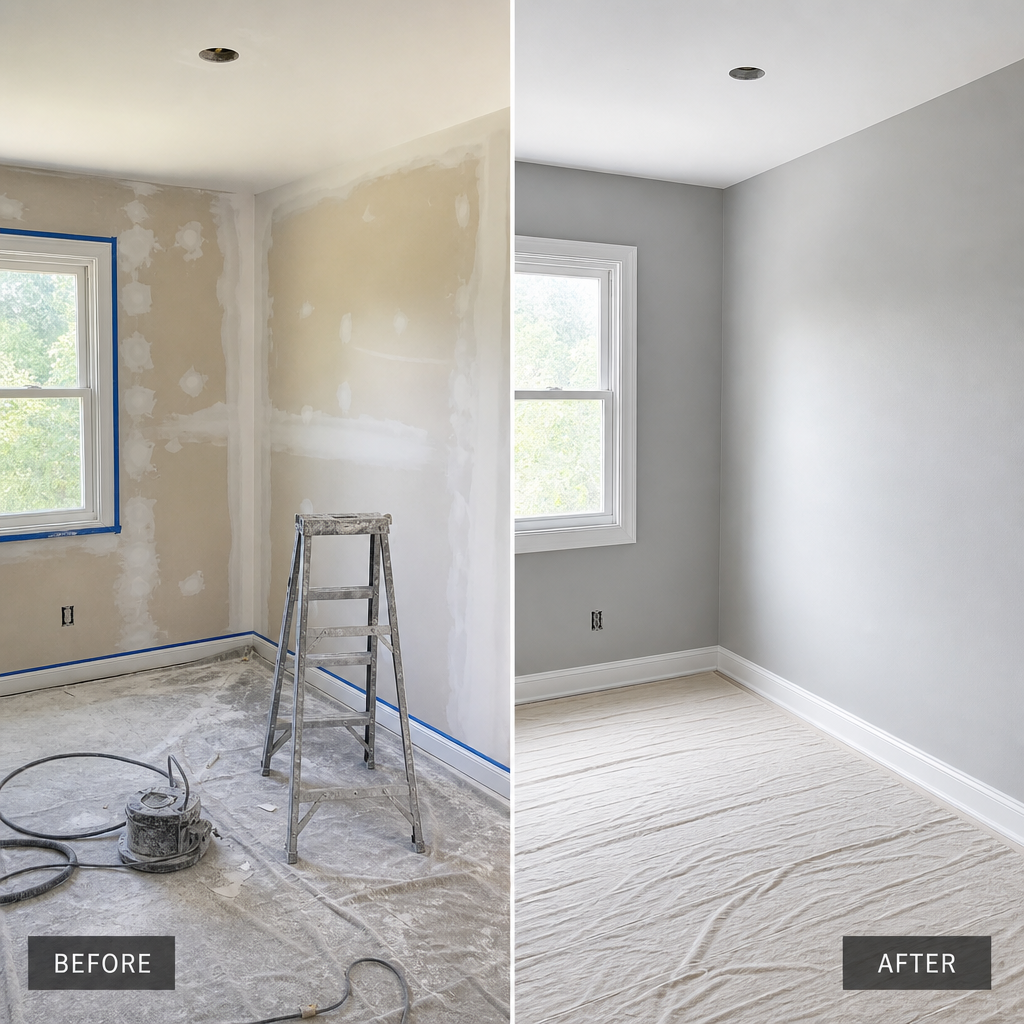
On interior projects, surface prep includes filling nail holes and minor drywall imperfections with lightweight spackle, sanding smooth, and wiping down walls to remove dust and grease. On previously painted walls, any areas of peeling or bubbling paint are scraped back and spot-primed. In kitchens and bathrooms, surfaces are cleaned with a degreasing solution before any paint is applied, because grease creates adhesion failure.
For cabinet refinishing, which Dreamscape also specializes in, the prep work is even more demanding. Doors are removed, sanded with progressively finer grit, cleaned with a tack cloth, and primed before topcoats are applied. The difference between a cabinet refinish that looks factory-smooth at five years and one that chips at twelve months is almost entirely in this prep sequence.
Exterior Surface Prep Steps
On exterior projects, surfaces are pressure washed and allowed to dry fully before any coating is applied. Wood is inspected for rot, and compromised sections are either repaired or flagged for the homeowner. Caulking around windows, doors, and trim joints is removed and replaced to prevent water infiltration. Missing or failed caulk is one of the most common causes of exterior paint failure in the Lower Mainland’s wet climate.
Pro tip: If a painting company gives you a quote that does not mention pressure washing as part of an exterior paint job, ask them directly whether it is included. If it is not, push back. Painting over dirty surfaces in BC’s climate is a waste of money.
Painting Execution: Priming, Coats, and Quality Checks
With surfaces properly prepared, the painting execution phase begins. This is the part most homeowners picture when they think about a paint job, but it is also where details matter more than speed.
Primer Application
Primer is applied to all repaired surfaces, bare wood, and any areas where the existing coating was removed during prep. A common mistake made by budget painters is applying topcoat directly over patched drywall or bare wood because primer adds time and material cost. The result is visible flashing, where the patched areas absorb paint differently and show through the finished surface, even under multiple topcoats.
On stain-blocking situations such as water damage marks, smoke staining, or dark paint colours being covered by lighter ones, a shellac-based or high-solids primer is used rather than a standard latex primer. Using the wrong primer type in these situations is a mistake that shows up immediately and requires additional coats to correct.
Topcoat Application and Film Build
Dreamscape applies a minimum of two topcoats on all painted surfaces. The first coat establishes coverage and colour. The second coat builds the required film thickness that protects the surface and ensures the finish sheen is consistent across the entire area. Cutting back to a single topcoat to save time is a shortcut that homeowners often cannot identify until the paint starts wearing thin in high-traffic areas within the first year.
On trim and doors, which receive more physical contact than walls, a harder enamel finish is used. Applying wall paint to trim is a shortcut that looks fine initially but scuffs and marks far faster than the correct product.
Ongoing Quality Checks During the Job
Dreamscape painters check work under raking light conditions between coats. This means shining a light at a low angle across the painted surface to reveal any roller texture, runs, sags, or missed spots before the next coat is applied. Catching these issues between coats takes minutes to fix. Finding them after the final coat requires sanding and repainting.
How Dreamscape Compares to Other Painting Approaches
Not every painting company in the Lower Mainland follows the same process. Understanding what differentiates approaches helps homeowners evaluate quotes accurately rather than defaulting to the lowest price.
| Approach | What It Looks Like in Practice | Likely Outcome Over 3 to 5 Years |
|---|---|---|
| Dreamscape Painting (Full Process) | In-person estimate, written scope, full surface prep, primer where required, two topcoats minimum, final walkthrough with homeowner, thorough site cleanup | Finish holds up to Fraser Valley moisture and UV exposure, consistent colour and sheen, minimal touch-up required |
| Speed-Focused One-Day Painting Model | Rapid scheduling, compressed crew, limited surface prep, topcoats prioritized over primer, job completed in minimum time | Acceptable initial appearance, higher likelihood of peeling at repairs and adhesion failure on high-moisture surfaces within 2 to 3 years |
| Unqualified or Unlicensed Painter | No formal estimate process, verbal scope only, variable surface prep, single coat common, no formal walkthrough | Inconsistent finish quality, frequent need for repainting within 1 to 2 years, potential for surface damage from improper products |
The Final Walkthrough and Touch-Up Phase
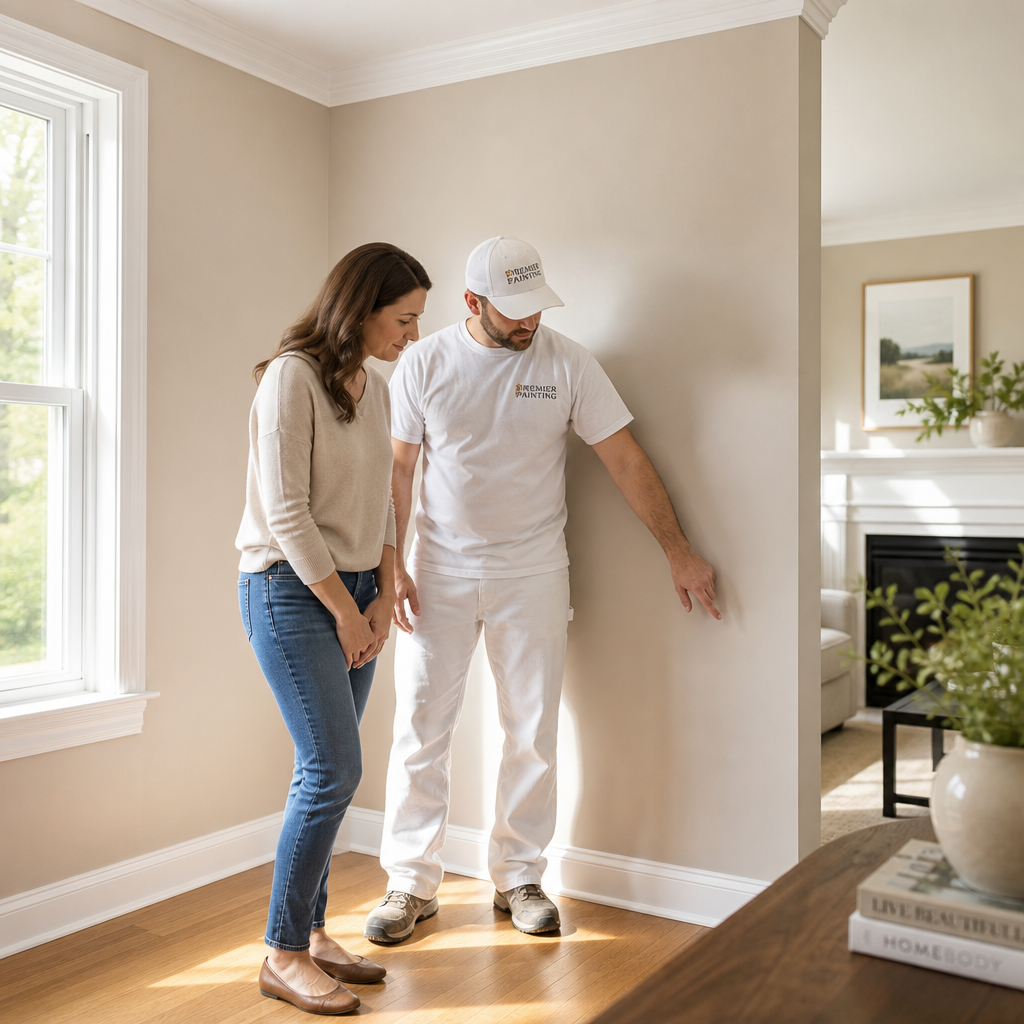
The final walkthrough is where many contractors simply collect payment and leave. At Dreamscape, it is a structured quality assurance step conducted with the homeowner present before the project is signed off as complete.
The lead painter walks through every painted area with the homeowner, looking specifically at edges, corners, trim lines, and any areas that were flagged during prep as needing extra attention. Touch-ups identified during this walkthrough are completed on the same day in most cases. If an issue requires a return visit, it is scheduled before the crew leaves the property, not left as an open item.
Site cleanup is conducted as part of this phase, not as a separate afterthought. Drop cloths are removed and the floors are swept or wiped down. Hardware is reinstalled. Tape is removed carefully to avoid pulling paint or damaging surfaces. Paint cans are sealed and, where applicable, left with the homeowner for future touch-ups along with the exact colour codes used on the project.
In practice, homeowners who have worked with painters who skip this phase notice the difference immediately. Missing that structured close means small defects that would have taken five minutes to fix get left behind, and the homeowner is left either living with them or making a call that goes unanswered.
Frequently Asked Questions
How long does the free painting estimate process take at Dreamscape Painting?
Most on-site estimates for interior residential projects in the Lower Mainland take between 30 and 60 minutes depending on the size and scope. Exterior or commercial estimates may take longer. The estimate is followed up with a written quote, typically within 24 to 48 hours of the site visit.
Do I need to be home during the painting process?
You do not need to be present throughout the job, but Dreamscape recommends being available at the start of the first day and at the final walkthrough. The start-of-day presence allows you to confirm details and point out any last-minute concerns. The final walkthrough ensures any touch-ups are identified and addressed before the crew leaves.
How many coats of paint does Dreamscape apply as standard?
Two topcoats are the minimum standard on all painted surfaces. Areas with surface repairs, bare substrates, or significant colour changes also receive primer before topcoats are applied. Single-coat coverage is not offered as a cost-saving option because it produces a result that fails faster and looks worse under direct light.
What paint brands does Dreamscape use on residential projects?
Dreamscape uses professional-grade paints from major manufacturers appropriate to the project surface and condition. Your estimator will specify the product during the site assessment. If you have a preference for a specific brand or product, raise it during the estimate and it can be factored into the quote.
How far in advance should I book a painting project with Dreamscape in the Fraser Valley?
For interior projects, booking two to three weeks in advance is generally sufficient outside of peak season. Exterior projects in Abbotsford, Langley, and Surrey book quickly between April and September due to weather windows, so four to six weeks advance notice is recommended for summer exterior work.
What makes Dreamscape Painting different from other painting companies in Vancouver and the Lower Mainland?
Dreamscape has been operating as a family-owned company since 1990, which means consistent standards, experienced estimators who have seen every surface condition in the Lower Mainland, and a reputation that depends on referrals rather than advertising spend. The process described in this article is not aspirational. It is the same sequence used on every job for over 35 years.
If you have recently had a painting project completed in the Fraser Valley or Lower Mainland, we would like to hear what part of the process you found most valuable or where you felt your expectations were not met.
References
- Statista: Market research and statistics on home improvement and painting industry trends in North America
- Forbes: Home renovation cost analysis and guidance on evaluating professional contractor quotes
- United States Environmental Protection Agency: Guidance on lead-safe painting practices and surface preparation regulations for residential properties
- National Research Council Canada: Technical standards for building envelope coatings and exterior paint performance in Canadian climates
- HGTV: Practical homeowner guidance on hiring painters and understanding what a professional paint job involves from estimate to completion

