

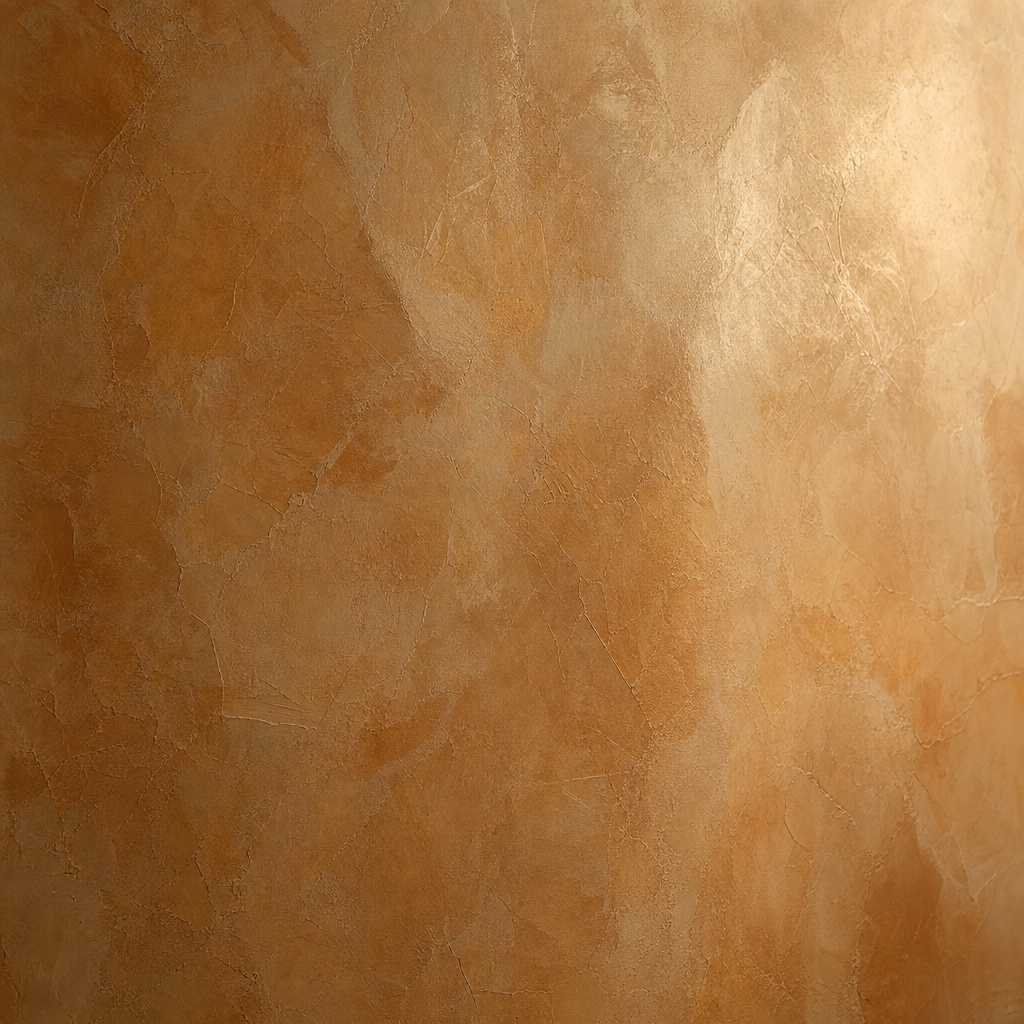
Most homeowners think painting is painting. Choose a colour, roll it on, done. But there is a category of paintwork that operates in an entirely different league, and once you see it applied to a real space, standard flat paint feels like a rough draft. Fine finish painting in Vancouver and the Lower Mainland covers a broad range of decorative and specialty techniques that transform walls, cabinetry, and architectural features into surfaces with genuine visual depth. At Dreamscape Painting Ltd., after 35 years of delivering this work across the Fraser Valley, we know exactly which techniques hold up and which ones are oversold.
Table of Contents
- Quick Takeaways
- What Is Fine Finish Painting and Why Does It Matter
- Decorative Painting Techniques Worth Knowing
- Specialty Finishes in the Lower Mainland: What Works Here
- Surface Preparation: The Real Difference Maker
- Comparing Fine Finish Techniques Side by Side
- How to Choose the Right Finish for Your Home
- Frequently Asked Questions
- References
Quick Takeaways
| Key Insight | Explanation |
|---|---|
| Fine finish painting is a skill-dependent service | Venetian plaster, faux finishes, and glazing techniques require years of hands-on practice. A poorly executed decorative finish looks worse than flat paint. |
| Surface prep determines 80% of the outcome | Decorative finishes magnify every imperfection. Skim coating, sanding, and priming are non-negotiable steps before any specialty application. |
| Lower Mainland humidity affects product choice | The Fraser Valley climate requires moisture-tolerant primers and finishes, especially in bathrooms, laundry rooms, and covered exteriors. |
| Not all decorative finishes suit all rooms | Venetian plaster works well in living and dining rooms. Kitchens and high-traffic hallways demand more durable specialty coatings. |
| Cabinet refinishing is a fine finish discipline | Achieving a factory-smooth cabinet finish requires spray application, multiple coats, and precise sanding between coats. Brushing produces an inferior result. |
| Colour layering is central to decorative techniques | Glazing, ragging, and colour washing all depend on building translucent layers. The base coat colour is as important as the top layer. |
| Professional results cannot be replicated with DIY kits | Faux finish kits sold at hardware stores produce flat, repetitive patterns. Skilled painters vary pressure, angle, and tool movement to create authentic depth. |
What Is Fine Finish Painting and Why Does It Matter
Fine finish painting refers to any painting application that goes beyond standard single-coat interior or exterior coverage. It includes techniques that create texture, depth, luminosity, or a specific tactile quality on a surface. The term encompasses Venetian plaster, faux finishes, glazing, colour washing, limewash, marbling, and high-build specialty coatings, among others.
In practice, fine finish painting demands a fundamentally different skill set than production painting. A production painter measures success in square footage per day. A fine finish painter measures success in the visual complexity and consistency of the final surface. These are not interchangeable roles.
The demand for fine finish painting Vancouver homeowners are seeing in renovation magazines and design blogs is driven by a genuine shift in interior design preferences. Flat, matte walls are being replaced by surfaces that interact with light differently at different times of day. That is not a trend. It is a permanent move toward more considered, layered interiors.


For property owners in Abbotsford, Langley, Surrey, and across the Lower Mainland, the value proposition is straightforward. A well-executed decorative finish on a feature wall, a foyer, or a set of kitchen cabinets adds visual equity to a home that no furniture purchase can replicate.
Pro tip: If you are considering a fine finish technique for a room, start with a single accent wall or a set of built-ins rather than committing the entire room. This lets you evaluate the effect in your specific lighting conditions before scaling up.
Decorative Painting Techniques Worth Knowing
There are dozens of named decorative painting techniques, but most fall into a handful of functional categories. Understanding these categories helps you communicate clearly with your painter and set realistic expectations about cost, timeline, and appearance.
Venetian Plaster
Venetian plaster is applied in thin layers using a steel trowel, then burnished to create a polished, marble-like surface. The finish has genuine depth because each translucent layer catches light differently. A proper Venetian plaster application involves a minimum of three coats, with burnishing between coats and a final wax or sealer application.
A common mistake is applying Venetian plaster over surfaces that have not been skim-coated flat. Any hollow, crack, or tool mark underneath will telegraph through the finished surface. This is one reason the technique demands experienced painters rather than general-purpose crews.
Glazing and Colour Washing
Glazing involves applying a translucent tinted glaze over a dried base coat. The glaze is manipulated with brushes, rags, or sponges while still wet to create broken colour effects. Colour washing uses a diluted paint mixture applied with a wide brush in overlapping strokes to produce a soft, aged linen effect.
Both techniques are highly sensitive to application speed. The glaze or wash must remain workable long enough to manipulate, which means working in sections and maintaining a wet edge. In a large room, this typically requires two painters working simultaneously.
Limewash Paint
Limewash has experienced a significant resurgence in popularity across the Lower Mainland and Fraser Valley over the past five years. It is made from slaked lime and water, applied in thin washes that build up a chalky, organic surface with natural variation. Unlike synthetic faux finishes, limewash actually breathes through the wall surface, making it a practical choice for older homes with plaster walls.
Brands like Portola Paints have made limewash more accessible, but the application technique still determines the outcome. Too heavy an application flattens the effect. Too light and the colour lacks presence.
Marbling and Trompe l’Oeil
Marbling is a hand-painted technique that replicates the veining and depth of natural stone. It requires exceptional colour mixing skills and a thorough knowledge of how real marble actually looks, not just a stylized version of it. Trompe l’oeil (French for “deceives the eye”) is broader, encompassing any painted illusion including architectural details, murals, and material simulations.
These are genuinely specialist techniques. Not every painting company in the Lower Mainland has painters with this capability. If a contractor quotes marbling work without showing you a portfolio of completed examples, treat that as a serious warning sign.
Specialty Finishes in the Lower Mainland: What Works Here
The Lower Mainland and Fraser Valley present specific environmental conditions that affect which specialty finishes perform well over time. The combination of mild but wet winters, warm summers, and variable humidity inside homes means certain finishes that work well in drier climates need to be adapted here.
Exterior decorative finishes in this region must contend with sustained moisture exposure from October through April. In practice, this means exterior Venetian plaster alternatives and textured coatings must be applied with elastomeric binders that allow the coating to flex with temperature changes without cracking or delaminating. A standard interior-grade decorative product applied outdoors in Surrey or Abbotsford will fail within one to two seasons.
“Decorative finishes that ignore the substrate and the climate are just expensive failures waiting to happen. The material has to be matched to the conditions, not chosen from a catalogue.” — Dreamscape Painting Ltd., Senior Estimator
Interior specialty finishes in the Lower Mainland also need to account for bathroom and kitchen humidity. High-moisture areas require mould-resistant primers and topcoats even under decorative layers. Applying a beautiful limewash finish over a bathroom wall without a proper moisture barrier primer is a very common and very costly mistake that Dreamscape’s teams regularly get called in to correct after another contractor’s work has failed.
For commercial properties in the region, specialty finishes serve both aesthetic and functional purposes. Textured coatings on feature walls in retail environments add visual interest while also providing a more durable surface than standard drywall paint. High-traffic lobby walls benefit from hard-burnished plaster finishes that can be wiped clean without marking.

Pro tip: When planning a specialty finish for any room that experiences humidity fluctuations, ask your painter specifically which primer system they intend to use under the decorative coat. If they cannot name it and explain why it was chosen, that is a gap in their process that will cost you later.
Surface Preparation: The Real Difference Maker
No discussion of fine finish painting is complete without a direct, unambiguous statement about surface preparation. It is the single most important factor in the outcome of any decorative finish, and it is the step that separates contractors who produce lasting results from those who produce work that fails within two years.
Skim Coating Before Decorative Application
Skim coating is the application of a thin layer of joint compound across an entire wall surface to achieve a genuinely flat plane. Most drywall in residential homes, even relatively new construction, has visible texture, trowel marks, and surface irregularities. These imperfections are largely invisible under flat or eggshell paint. Under a Venetian plaster or glazed finish, they become focal points.
Skim coating adds time and cost to a project. It is also the step that many contractors skip or minimize to stay competitive on price. In practice, skipping this step on a decorative finish project is not a cost saving. It is a guarantee of a visually inferior result.
Primer Selection
The primer used under a fine finish must be matched to both the substrate and the decorative product. Oil-based primers provide superior adhesion on previously painted surfaces with sheen. Shellac-based primers seal stains and tannin bleed that would discolour a translucent decorative topcoat. Specific Venetian plaster primers and lime-based primers are formulated to provide the correct porosity and tooth for those specialty materials.
Using a generic latex primer under a specialty finish is a shortcut that undermines the entire investment. Dreamscape’s estimators specify the primer system as part of every fine finish quote, not as an afterthought.
Comparing Fine Finish Techniques Side by Side
The table below compares three commonly requested fine finish techniques based on the factors that matter most to homeowners in the Lower Mainland making a practical decision.
| Technique | Best Application | Relative Cost and Complexity |
|---|---|---|
| Venetian Plaster | Feature walls, foyers, dining rooms, commercial lobbies. Surfaces with good lighting to show depth. | High cost, high skill requirement. Requires skim-coated substrate and minimum 3 coats. Results are not reversible without full resurfacing. |
| Limewash | Living rooms, bedrooms, and older homes with plaster walls. Works well on both smooth and slightly textured surfaces. | Moderate cost, moderate skill requirement. More forgiving than plaster but still requires correct dilution and layering technique. Can be painted over without full resurfacing. |
| Glazing and Colour Wash | Accent walls, trim details, and furniture pieces. Works on any properly primed surface. | Lower cost than plaster, but two-painter application recommended for large surfaces. Effect can be adjusted or painted over more easily than plaster-based finishes. |
How to Choose the Right Finish for Your Home
The right decorative finish depends on four factors: the room’s light quality, the surface condition, the level of permanence you want, and your actual budget inclusive of preparation work. All four must be evaluated together.
Rooms with strong natural light from multiple directions show off Venetian plaster at its best. The interplay of light across a burnished plaster surface changes through the day in a way that no flat paint replicates. A room with a single north-facing window and low ambient light will not show the depth of Venetian plaster to its advantage. In that setting, a well-executed limewash finish will deliver more visual impact per dollar spent.
Surface condition is the honest conversation that many homeowners avoid. A wall covered in multiple layers of old paint, with repairs, texture variations, and screw pops, requires significant preparation before any fine finish can be applied. Getting three quotes and choosing the lowest one on a fine finish project almost always means choosing the contractor who skipped the surface preparation discussion entirely.
For cabinet refinishing specifically, the fine finish standard is factory-level smoothness. This means spray application is required, not brushing. It means multiple sanding stages between coats. And it means using a two-component urethane or conversion varnish topcoat, not a standard latex paint. The results last 10 to 15 years with proper care. Brushed latex cabinet repaints last 3 to 5 years before the finish begins to chip and peel at high-contact areas like drawer pulls and door edges.
Homeowners in Abbotsford, Langley, Surrey, and across the Fraser Valley who are comparing painting companies should ask each contractor to specify exactly what preparation steps are included in their quote for any fine finish work. That single question will reveal more about the quality of the eventual outcome than any other factor. Planning a project in the city? See our Vancouver painting services.
Frequently Asked Questions
What is the difference between decorative painting and standard interior painting?
Standard interior painting applies a single uniform colour and finish across a surface. Decorative painting adds visual complexity through layering, texture, or specialised application tools to create depth, pattern, or material simulation that a standard painted surface cannot achieve.
How long does a Venetian plaster finish last?
A properly applied Venetian plaster finish on a well-prepared substrate lasts 20 years or more. The key variables are substrate preparation, the quality of the plaster product used, and whether a protective wax or sealer was applied correctly at completion. Finishes applied over inadequately prepared surfaces may begin to crack or delaminate within 3 to 5 years.
Is limewash paint a good choice for the Lower Mainland climate?
Yes, limewash is well-suited to the Lower Mainland for interior applications because it is vapour-permeable and resists mould growth better than synthetic film-forming paints. For exterior use, lime-based renders and washes have a long history of performance in wet climates, but the application must use the correct binders and must be applied to a clean, sound substrate to adhere properly.
Can fine finish painting techniques be applied over existing paint?
Most decorative finishes can be applied over existing paint provided the surface is properly cleaned, lightly sanded for adhesion, and primed with an appropriate primer. The exception is Venetian plaster and similar plaster-based finishes, which require a surface that has been skim-coated to a flat plane. Applying these over textured or uneven existing paint produces an inferior result.
How do I find a qualified fine finish painter in Vancouver or the Fraser Valley?
Ask to see a portfolio of completed fine finish work from the specific painter who will be working on your project. Verify that their quote explicitly includes surface preparation steps. Check reviews on Google and HomeStars to confirm that past clients specifically mention the quality of specialty or decorative work, not just general painting. Companies like Dreamscape Painting Ltd. with over three decades of documented experience in the Lower Mainland are a reliable starting point for this type of work.
What does fine finish cabinet refinishing involve versus a standard cabinet repaint?
Fine finish cabinet refinishing uses spray-applied two-component coatings such as urethane or conversion varnish, applied in multiple coats with sanding between each coat to achieve a factory-smooth surface. A standard cabinet repaint typically uses brushed or rolled latex paint, which leaves brush marks and produces a finish that chips more readily at high-contact areas. The durability difference is substantial, with fine finish refinishing lasting two to three times longer under normal kitchen use conditions.
If you have had a fine finish painting project done in the Lower Mainland, whether a Venetian plaster feature wall, a limewash bedroom, or a cabinet refinish, we would like to hear what you found most valuable about the process and what surprised you.
We would love your feedback and any insights you would share with others. What perspective would you add?
References
- Forbes coverage of home renovation trends and interior design investment value
- Statista data on the painting and decorating services industry and market size
- National Research Council Canada guidance on building materials performance in Canadian climates
- HGTV editorial resources on decorative painting techniques and finish applications for residential interiors
- PaintInfo technical resources on specialty coatings, primers, and finish selection for Canadian construction conditions

