Most Fraser Valley homeowners think about repainting in the fall, after the summer rush has passed. That is exactly why summer is the smartest time to act. Paint cures faster in warm, dry conditions, trades are more predictable when booked early, and your home is ready to impress before the back-to-school season social calendar kicks in. With interior painting ideas 2026 already shifting toward warmer, more grounded palettes, there has never been a better moment to rethink your walls. This guide covers what is actually working in Fraser Valley homes right now, from colour trends to prep mistakes, drawn from over three decades of residential painting experience across Abbotsford, Langley, Surrey, and beyond.
Table of Contents
- Quick Takeaways
- Why Summer Is the Right Time for Interior Painting in Fraser Valley
- Interior Paint Trends 2026: What Fraser Valley Homeowners Are Choosing
- Room-by-Room Interior Painting Ideas for 2026
- Comparing Colour Approach Strategies for BC Interiors
- The Prep Mistakes That Ruin a Summer Paint Job
- Why Cabinet Refinishing Should Be Part of Your Summer Refresh
- Hiring a Professional vs. DIY: An Honest Assessment for Fraser Valley Homeowners
- Frequently Asked Questions
- References
Quick Takeaways
| Key Insight | Explanation |
|---|---|
| Warm neutrals are replacing cool greys across Fraser Valley interiors | Colours like warm beige, terracotta, and soft ochre are dominating 2026 paint forecasts and translating well into BC’s natural light conditions. |
| Summer humidity in the Fraser Valley is lower than the fall average | Paint adhesion and drying times improve significantly between June and August, making summer the optimal window for interior repaints in Abbotsford and Langley. |
| One accent wall no longer defines a room refresh | The 2026 trend is whole-room colour immersion, where all four walls and the ceiling share a tonal family for a more cohesive, high-end result. |
| Sheen selection matters more than most homeowners realise | In Fraser Valley kitchens and bathrooms, a satin or semi-gloss finish resists moisture and wipes clean far better than the flat or eggshell finishes common in older BC homes. |
| Skipping primer on patched drywall causes visible flashing | Flashing, where repaired spots show through the topcoat, is the most common complaint after DIY paint jobs. A bonding primer on every patch eliminates this problem entirely. |
| Cabinet refinishing alongside interior repaints delivers the strongest ROI | Refinishing kitchen cabinets while painters are already on-site reduces total project cost by sharing setup, masking, and cleanup time. |
| Booking a professional estimator before July avoids the August backlog | Painting companies across the Lower Mainland fill their summer schedules by late June. Homeowners who book estimates in May or early June get first pick of prime scheduling windows. |
Why Summer Is the Right Time for Interior Painting in Fraser Valley
The Fraser Valley has a specific climate pattern that most homeowners do not factor into their renovation planning. Between June and early September, relative humidity in Abbotsford and Langley typically drops to between 50 and 65 percent during daytime hours. Paint manufacturers, including Sherwin-Williams and Benjamin Moore, specify ideal application humidity below 70 percent for best adhesion and film formation. Summer in the Fraser Valley consistently meets that threshold in a way that October and November simply do not.
Beyond the technical side, summer is also when homes in Surrey and the greater Lower Mainland see the most natural light. Choosing colours under natural daylight conditions, rather than winter’s flat grey sky, produces far more accurate results. A colour that reads as warm sand in August can look almost yellow-green under the overcast light of a November open house.
Pro tip: Before committing to a full-room colour, apply a large sample patch of at least 30 by 30 centimetres on two different walls and observe it at three times of day: morning, midday, and early evening. Fraser Valley homes with west-facing living rooms especially benefit from this check, because afternoon sun can dramatically shift how a warm neutral reads on the wall.


Practically speaking, summer also means open windows without rain risk, which dramatically improves ventilation during application. Low-VOC paints, now standard at quality painting companies serving the Lower Mainland, still benefit from fresh airflow during drying. Better ventilation means faster cure times and fewer odour concerns, which matters particularly in homes with children or pets.
Interior Paint Trends 2026: What Fraser Valley Homeowners Are Choosing
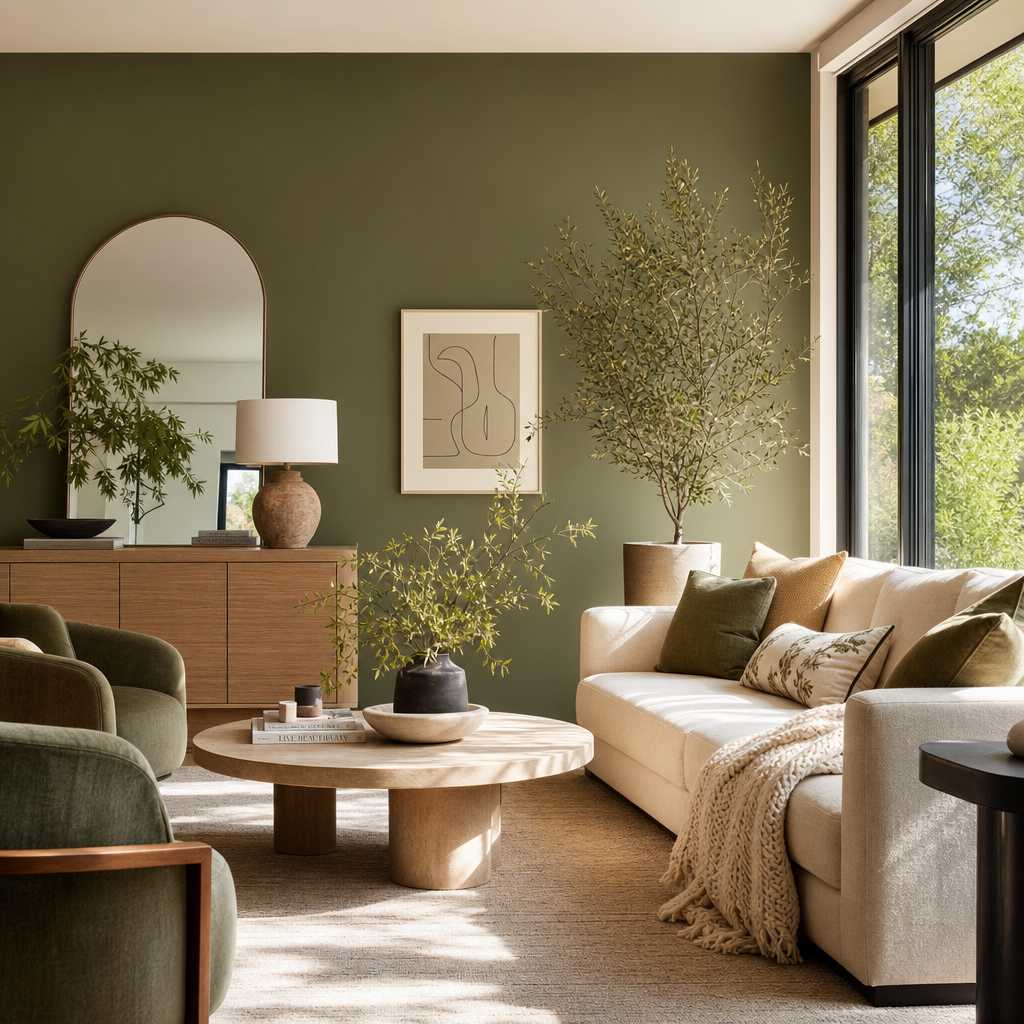
The colour direction for 2026 is clear, and it represents a meaningful departure from the cool, grey-dominated palette that defined Fraser Valley interiors through most of the 2015 to 2023 period. Interior paint trends Vancouver and the broader BC market are converging on earthy, warm-toned palettes that reference the region’s natural landscape without replicating it literally.
Earthy Warms and Soft Ochres
Colours like clay, warm sand, dusty terracotta, and muted ochre are appearing consistently in new builds and renovation projects across Langley and Abbotsford. These tones work particularly well in open-concept floor plans where the paint needs to feel grounded without competing with wood cabinetry or stone countertops.
Benjamin Moore’s 2025 Colour of the Year, Cinnamon Slate, pointed directly toward this shift, and the momentum has only strengthened heading into 2026. Sherwin-Williams’ projections for the same period lean toward what they describe as “comfort-forward” palettes, meaning colours that feel warm, familiar, and calming. Both directions align well with the aesthetic preferences of Fraser Valley homeowners, who tend to favour livable, practical spaces over dramatic statement interiors.
Ceiling Colour Is No Longer an Afterthought
One of the most significant shifts in summer painting Fraser Valley projects this year is the ceiling. For decades, the default was flat white, applied without much consideration. In 2026, homeowners and designers are treating the ceiling as a fifth wall. Painting it two shades lighter than the wall colour in the same hue family creates a cocooning effect that feels intentional and high-end without requiring expensive finishes or furniture changes.
In practice, this approach works best in rooms with at least 9-foot ceilings, which are common in newer Langley and Abbotsford builds. In older Surrey bungalows with 8-foot ceilings, a ceiling colour can feel oppressive if chosen too dark, so the tonal match needs to be kept lighter and more neutral.
“Colour is the single fastest way to change how a space feels. The right warm neutral can make a 1,400-square-foot townhouse feel more spacious than a poorly painted 2,000-square-foot home.” – Benjamin Moore Colour Forecast, 2025 Edition
Deep Greens and Moody Blues for Feature Spaces
Home offices, primary bedrooms, and dining rooms are the spaces where Fraser Valley homeowners are willing to go bolder. Deep forest greens, slate blues, and charcoal with warm undertones are all performing well in these rooms. The key is pairing them with bright, clean trim in a high-gloss or semi-gloss white, which prevents the room from feeling dark rather than dramatic.
Room-by-Room Interior Painting Ideas for 2026
Generic colour advice is not particularly useful when you are standing in your actual kitchen in Abbotsford trying to decide between three very similar beiges. What works room by room in Fraser Valley homes comes down to function, light, and the existing fixed elements you are not replacing.
Living Rooms: Warm Neutrals With Clean White Trim
The living room is where warm neutrals do their best work. Colours in the soft greige, warm linen, or dusty clay family read as calm and inviting under the mixed natural and artificial light that most Fraser Valley living rooms deal with. Keep the trim and baseboards in a bright white with a satin or semi-gloss sheen. The contrast defines the architecture without requiring expensive millwork upgrades.
Kitchens: Sheen Matters As Much As Colour
In kitchens across the Lower Mainland, the practical consideration of sheen outweighs any colour trend. A satin finish at minimum, and semi-gloss in splash zones, is the correct specification. Flat paint in a kitchen is a maintenance problem waiting to happen. For colour, soft sage green and warm off-white are the dominant choices in 2026, both of which complement the stainless and stone finishes common in Fraser Valley kitchen renovations.
Primary Bedrooms: Going Darker Than You Think You Should
The most common feedback Dreamscape Painting receives after completing a primary bedroom with a deep, moody colour is that the homeowner wishes they had done it sooner. Colours like deep teal, dusty mauve, and warm charcoal create a genuinely restful environment. The fear of a dark room is understandable, but with the right sheen (flat or matte to absorb light rather than reflect it) and white trim as an anchor, these colours consistently deliver the best end-of-project satisfaction.
Children’s Rooms: Durability First, Colour Second
For children’s rooms, the specification should always start with a scrubbable, washable paint formulation before any discussion of colour. Benjamin Moore’s Aura and Sherwin-Williams’ Emerald lines both offer excellent washability without sacrificing pigment depth. Colour-wise, the trend for 2026 in these spaces is away from primary colour blocks and toward softer, more sophisticated versions of the same hues: dusty blue rather than royal blue, sage rather than grass green.

Comparing Colour Approach Strategies for BC Interiors
Homeowners in the Fraser Valley typically fall into one of three colour approach strategies when planning a repaint. Each has real trade-offs worth understanding before you commit paint to wall.
| Approach | Best For | Key Risk |
|---|---|---|
| Whole-Home Tonal Palette (one colour family, varied shades per room) | Open-concept Fraser Valley homes where rooms flow visually into each other. Creates cohesion and a sense of intentional design. | Can feel flat or monotonous if the shades chosen are too similar. Requires careful sheen and trim coordination to create definition between spaces. |
| Room-by-Room Individuality (each room chosen independently) | Older Abbotsford or Surrey homes with defined, separate rooms. Allows personality and function to drive each space’s colour independently. | Hallways and transitions become a design challenge. Poorly chosen adjacent colours can create jarring contrasts at doorways that feel unresolved. |
| Neutral Base With Bold Accent Spaces (neutral throughout, one or two rooms in bold colour) | Homeowners who want low-risk flexibility. Easy to change the bold rooms in future repaints without redoing the whole home. | The bold rooms need to be committed to fully, all four walls plus ceiling treatment, otherwise they read as unfinished rather than deliberate. |
In practice, the whole-home tonal palette is the approach that produces the most consistently positive results in the Fraser Valley market. It photographs well for listings, feels cohesive to visitors, and ages gracefully as furniture and decor evolve over time. The room-by-room approach works well when executed with strong design direction, but it is the strategy most likely to produce regrets when done without a clear plan.
Pro tip: When using a tonal palette across an open-concept main floor, assign the mid-tone to the largest visible wall area, the lighter shade to the ceiling, and the deepest version of the same hue to any built-in features, fireplace surrounds, or niche walls. This creates depth without introducing a second colour family into the space.
The Prep Mistakes That Ruin a Summer Paint Job
No amount of premium paint corrects inadequate preparation. This is the single point where DIY projects and rushed professional work diverge most dramatically in outcome. The most common prep failures seen in Fraser Valley homes are predictable and entirely avoidable.
Skipping the Bonding Primer on Patched Areas
Any wall that has been patched with drywall compound, even a small nail hole, requires a bonding primer on that specific spot before the topcoat goes on. Without it, the patched area absorbs paint differently than the surrounding wall, creating a visible dull spot called flashing. This is one of the most common complaints after paint jobs, and it is caused entirely by skipping this step to save time.
Not Cleaning Walls Before Painting
In kitchens and hallways especially, walls accumulate grease, oils, and cleaning product residue over years of use. Paint applied over this contamination will peel, sometimes within months. A TSP substitute wash, wiped down and allowed to dry fully, is the correct preparation for any wall in a high-traffic or cooking zone. This step is non-negotiable in Fraser Valley homes where kitchens are heavily used year-round.
Painting Over Glossy Surfaces Without Deglossing
Many older Lower Mainland homes have walls finished in a semi-gloss or gloss paint from the 1990s or early 2000s. Painting directly over gloss without sanding or applying a liquid deglosser results in poor adhesion and a finish that chips and scratches far too easily. A light sanding with 150-grit paper followed by a wipe-down takes less than an hour per room and dramatically improves the final result.
Why Cabinet Refinishing Should Be Part of Your Summer Refresh
Homeowners planning a summer painting Fraser Valley project frequently overlook the kitchen and bathroom cabinets, treating them as separate, more complex work to be done later. This is a missed opportunity. Cabinet refinishing done at the same time as an interior repaint shares masking, cleanup, and site preparation costs that would otherwise be duplicated across two separate projects.
The visual impact of refinished cabinets in combination with freshly painted walls is also significant. New cabinet colour, paired with a cohesive wall colour, can make a kitchen that is decades old feel genuinely updated without the cost of a full renovation. In Surrey and Langley markets where kitchen presentation matters for resale, this combination consistently returns more than its cost in perceived home value.
The most popular cabinet colours for 2026 in Fraser Valley kitchens are warm white, soft sage green, and navy blue. All three pair well with the earthy wall colour trends described earlier in this article. Flat or satin sheen on cabinet doors provides a modern, furniture-like finish that reads as intentional and current rather than simply painted.
Dreamscape Painting’s cabinet refinishing service includes proper surface preparation, specifically sanding, degreasing, and priming, which is where quality diverges most sharply from companies that spray cabinet doors without adequate prep. The finish durability difference between properly prepped and unprepared cabinets is measurable within the first 12 months of use.
Hiring a Professional vs. DIY: An Honest Assessment for Fraser Valley Homeowners
The honest answer is that DIY interior painting makes sense for a single room with minimal prep needs and a homeowner who genuinely has the time and patience to do it correctly. For anything larger than that, the calculus shifts decisively toward professional work.
The primary cost of DIY is not materials. It is time. A professional crew from Dreamscape Painting can complete a full interior repaint of a 2,000-square-foot home in two to three days. The same project done on weekends by a homeowner typically stretches to three or four weeks, with disruption to daily life at every stage. The labour cost of a professional job pays for itself in recovered time alone, before you account for finish quality.
A common mistake is underestimating cut-in work around trim, windows, and ceilings. Clean, sharp cut-in lines are the detail that separates a professionally painted room from a DIY one, and they require both the right tools (specifically, a quality 2-inch angled brush, not a foam brush from a hardware store) and accumulated practice to execute well. A professional painter with experience does this instinctively and consistently; a first-time DIYer almost never gets it right without multiple attempts.
“Homeowners consistently underestimate the preparation phase. The painting itself is straightforward. The prep work, filling, sanding, priming, and masking, is where 80 percent of the outcome is determined.” – Interior painting industry consensus, reflected consistently across professional contractor forums and trade publications.
For Fraser Valley homeowners comparing contractors, the questions that matter most are: Does the estimate include preparation work in detail? What paint brands and sheens are specified? Is cleanup included? A company that provides a detailed written estimate with specific product specifications, the way Dreamscape Painting approaches every project, is demonstrating the level of professionalism that protects your investment. Vague estimates based on square footage alone are a warning sign, not a convenience.
Frequently Asked Questions
What are the best interior paint colours for Fraser Valley homes in 2026?
The strongest performing interior paint colours for 2026 in Fraser Valley homes are warm neutrals in the beige, greige, and soft clay family for main living areas, deep greens and slate blues for feature spaces like primary bedrooms and dining rooms, and warm whites or sage greens for kitchen cabinetry. These colours align with both the 2026 paint trend direction from major manufacturers like Benjamin Moore and Sherwin-Williams and the specific natural light conditions common in Abbotsford, Langley, and Surrey homes.
Is summer really a good time to paint the interior of a home in the Fraser Valley?
Yes, and it is consistently underutilised by homeowners who assume painting is a fall or spring project. Fraser Valley summers offer lower humidity, better ventilation opportunities, and longer daylight hours for accurate colour assessment. Paint adhesion and curing times are both improved by warm, dry conditions. The main trade-off is that professional painting companies fill their schedules quickly between June and August, so booking early is important.
How long does a professional interior paint job last in a Fraser Valley home?
A professionally applied interior paint job using quality materials like Benjamin Moore Aura or Sherwin-Williams Emerald, with proper surface preparation, typically lasts 8 to 12 years in lower-traffic areas like bedrooms and living rooms. High-traffic areas such as hallways, kitchens, and children’s rooms may show wear in 5 to 7 years and benefit from a refresher coat rather than a full repaint. Durability is directly tied to prep quality and paint product specification, not just the brand name on the can.
What is the difference between interior painting and cabinet refinishing, and can they be done at the same time?
Interior painting refers to wall, ceiling, and trim surfaces throughout the home. Cabinet refinishing is a more specialised process involving thorough degreasing, sanding, priming, and spraying or brushing cabinet boxes and doors to achieve a smooth, durable finish. They can absolutely be done at the same time, and doing both together is more cost-efficient because masking, setup, and cleanup are shared across the project. Dreamscape Painting coordinates both services on a single project schedule, which minimises disruption to the household.
How do I choose between a tonal whole-home palette and room-by-room individual colours?
The best way to decide is to walk through your home and assess how many rooms are visible from a single standing point. In open-concept Fraser Valley homes built after 2005, where the kitchen, dining area, and living room are all visible simultaneously, a tonal whole-home palette is the stronger choice because visual cohesion is not optional in that layout. In older homes with defined, closed-off rooms, room-by-room individuality works well because each space can be evaluated and experienced independently.
Why do some walls look patchy or uneven after a fresh coat of paint?
Patchiness after painting is almost always a preparation failure rather than a paint failure. The most common causes are: painting over un-primed drywall repairs, which causes flashing; applying paint over a dirty or greasy wall, which causes adhesion inconsistency; and using a flat paint in a room with variable lighting conditions, which reveals texture differences more harshly than a low-sheen eggshell or satin. A professional painter addresses all three of these before the first drop of topcoat goes on the wall.
If you are planning a summer refresh for your Fraser Valley home, we would love to hear what room you are tackling first and what colour direction you are leaning toward. Share your thoughts or questions in the comments below.
References
- Forbes coverage of home renovation trends and return on investment for interior painting projects
- Statista data on home improvement spending trends in Canada and residential painting market statistics
- National Research Council Canada guidelines on paint application conditions including humidity and temperature recommendations
- HGTV editorial coverage of interior colour trends and whole-home painting strategies for 2025 and 2026
- Better Homes and Gardens expert guidance on interior paint selection, sheen types, and room-by-room colour strategy