
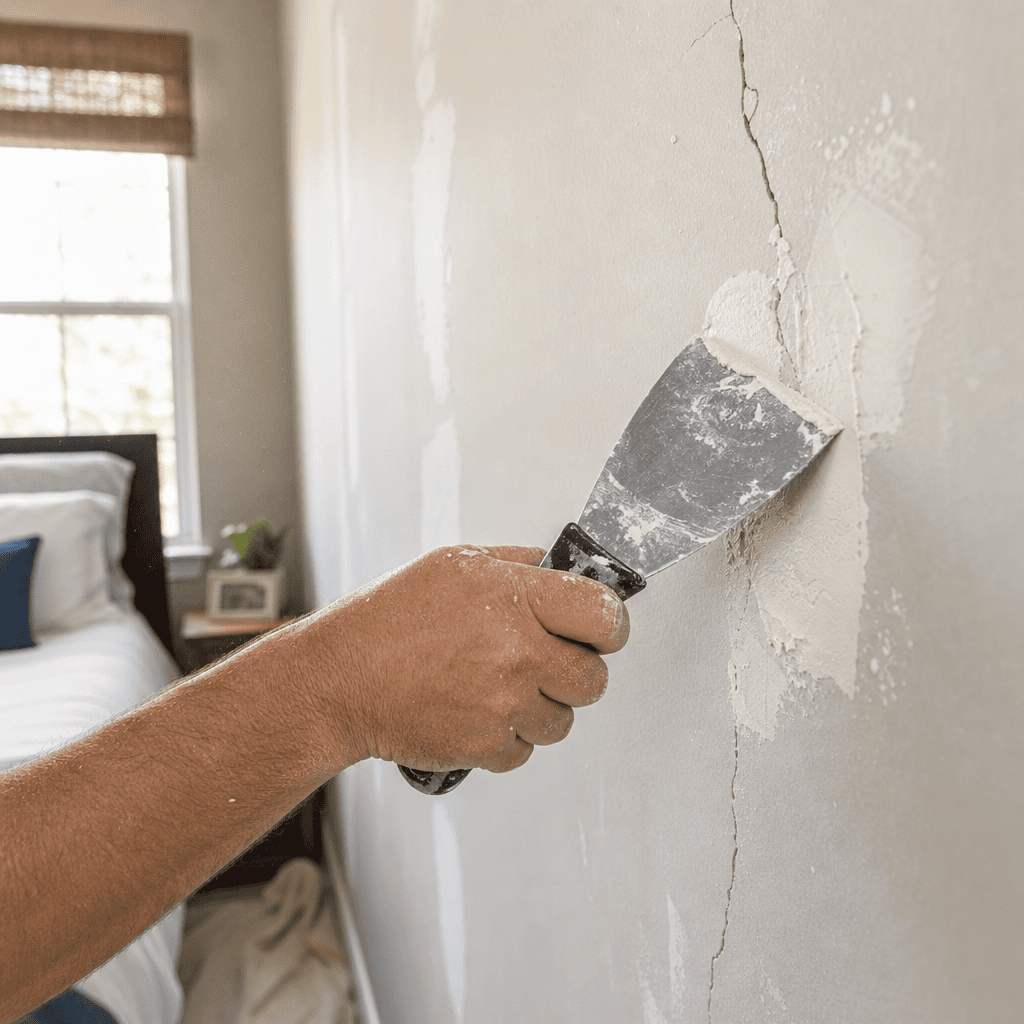
Most homeowners in Langley underestimate one thing before starting an interior painting project: preparation accounts for roughly 80% of the final result, yet it gets about 20% of the attention. If your walls look patchy two years after a paint job, the problem almost certainly started before the first coat was ever applied. Whether you are painting a single bedroom or refreshing an entire home, understanding what professional interior painting Langley actually involves, from surface prep to product selection to hiring the right crew, will save you time, money, and a lot of frustration.
Table of Contents
- Quick Takeaways
- Why Langley Homes Present Unique Challenges
- Interior Paint Prep Tips That Actually Matter
- Choosing the Right Paint for Langley Interiors
- Hiring Painters in Langley BC: What to Look For
- DIY vs. Professional House Painting Langley: A Real Comparison
- Common Mistakes Langley Homeowners Make
- Frequently Asked Questions
- References
Quick Takeaways
| Key Insight | Explanation |
|---|---|
| Humidity affects paint adhesion in Fraser Valley homes | Langley’s damp climate means proper ventilation and drying time between coats is non-negotiable, not optional. |
| Primer is not optional on new drywall or after repairs | Skipping primer on patched surfaces causes flashing, where the repaired areas show through even after multiple topcoats. |
| Low-VOC paints matter more indoors than outdoors | Interior spaces trap fumes. Choosing low- or zero-VOC products protects your family, especially in bedrooms and kitchens. |
| Two coats is the professional standard, not a upsell | A single coat of even premium paint rarely achieves full hide or colour depth. Budget and plan for two coats minimum. |
| Lighting changes everything about colour selection | Colours sampled in a Langley paint store look different under the natural north-facing light common in many Fraser Valley homes. |
| Cleaning walls before painting is mandatory, not cosmetic | Grease, soap residue, and dust on walls cause paint to peel within months. TSP or sugar soap wash is the correct first step. |
| Getting a written estimate protects both parties | Any reputable painters Langley BC company will provide a detailed written quote covering prep, products, coats, and clean-up. |
Why Langley Homes Present Unique Challenges
Langley sits in the Fraser Valley, which means its homes deal with something that homeowners in drier climates simply do not face at the same scale: persistent moisture. Average annual rainfall in the region hovers around 1,500 mm. That moisture works its way into siding, trim, and yes, interior walls, particularly in older homes built before modern vapour barrier standards became common.
In practice, this means that interior paint jobs in Langley require more attention to surface moisture content than projects in, say, the Okanagan. A wall that feels dry to the touch can still hold enough moisture to compromise adhesion if you paint too quickly after rain-heavy periods or if the home has any history of condensation on exterior-facing walls.
Older homes in Aldergrove, Willoughby, and Murrayville, many built between the 1960s and 1990s, also commonly feature original drywall compound, oil-based primers, and multiple layers of old latex paint. Each of these layers behaves differently and requires specific prep approaches before any new house painting Langley project can succeed.
Interior Paint Prep Tips That Actually Matter
The most important interior paint prep tips are not glamorous, but they separate a paint job that lasts a decade from one that starts peeling in two years. This is where the real work happens, and where cutting corners costs the most.
Wall Washing and Surface Cleaning
Start by washing all walls with a TSP (trisodium phosphate) solution or a sugar soap alternative. This removes grease, nicotine, cooking residue, and the invisible film of skin oils that accumulates over years on walls in high-traffic areas like kitchens and hallways. Paint applied over a contaminated surface simply will not bond correctly, regardless of paint quality.
Rinse thoroughly after washing and allow walls to dry completely. In Langley’s climate, this can take longer than expected during fall and winter months. Do not rush it.
Filling Cracks, Holes, and Dents
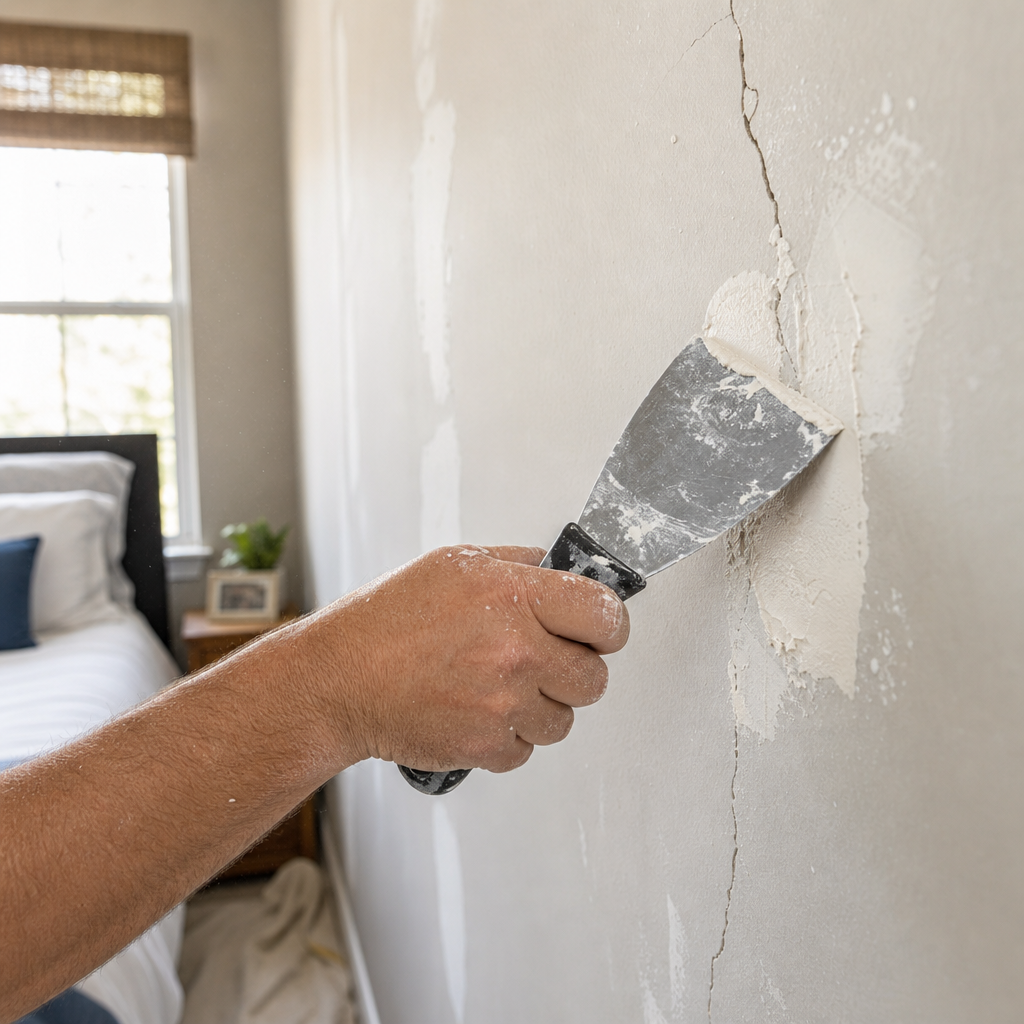
Use a lightweight spackling compound for small nail holes and a setting-type compound (like Durabond 90) for cracks wider than 1 mm or for areas around door frames that flex with use. Setting compounds harden chemically rather than by drying, making them far more durable in high-stress areas.
Sand repairs flush, feathering the edges so there is no ridge where the compound meets the original wall surface. Any ridge you can feel will be visible under paint, especially in raking light.
Priming: When It Is Required and When It Is Not
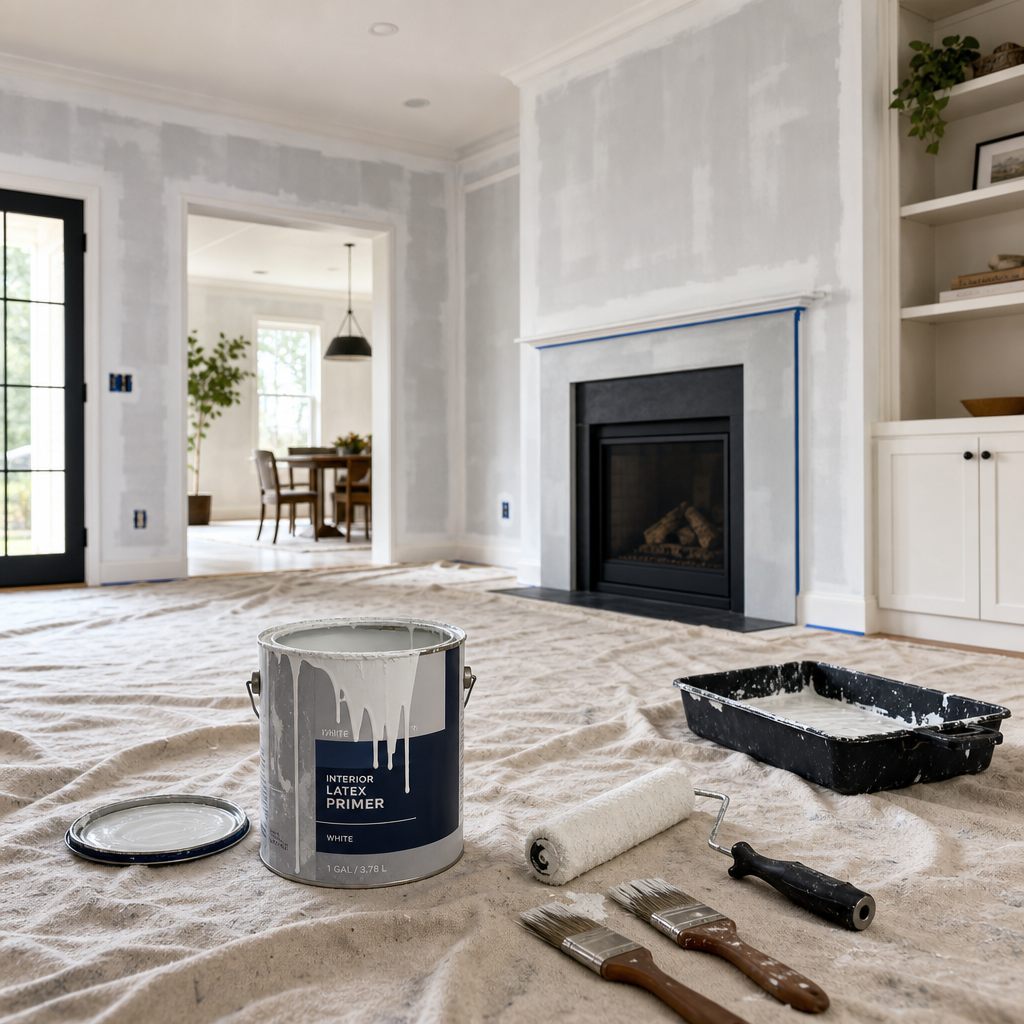
Prime over any repaired areas, new drywall, stains (especially water stains), and any surface where you are making a significant colour change from dark to light. A shellac-based primer like Zinsser BIN is the professional choice for blocking stubborn stains and smoke damage. Water-based primers work fine for standard transitions and new drywall.
On previously painted walls in good condition with no stains, where you are staying in a similar colour range, a high-quality paint-and-primer-in-one product can skip the separate primer step. But on Langley homes with older walls, err on the side of priming separately.
Pro tip: Tint your primer toward the colour of your finish coat. A grey primer under a deep navy will result in richer, more uniform colour coverage in fewer coats, saving both time and paint.
Choosing the Right Paint for Langley Interiors
Paint selection is where many homeowners make expensive mistakes. The cheapest option at the hardware store is rarely the right choice, and the most expensive product is not always necessary either. What matters is matching the product to the surface, the room’s function, and the local environmental conditions.
Sheen Levels by Room
Flat or matte finishes hide surface imperfections well and work best in low-traffic areas like master bedrooms and formal dining rooms. Eggshell is the workhorse finish for most living spaces, offering enough sheen to be wipeable without highlighting every wall flaw. Satin is the right call for kitchens, bathrooms, laundry rooms, and kids’ bedrooms where moisture and cleaning are part of daily life. Semi-gloss belongs on trim, doors, and cabinetry.
Using flat paint in a kitchen or bathroom in a Langley home is one of the most common mistakes homeowners make when managing their own house painting Langley projects. The surface scrubs poorly and mould has an easier time taking hold in the paint film.
VOC Content and Indoor Air Quality
According to the U.S. Environmental Protection Agency, indoor air can be two to five times more polluted than outdoor air, and VOC off-gassing from paint is a significant contributor. In Canada, Health Canada recognizes VOC emissions as an indoor air quality concern. For interior spaces, particularly bedrooms and spaces used by children or those with respiratory sensitivities, choosing low-VOC or zero-VOC paint is a straightforward health decision, not a marketing gimmick.
Brands like Benjamin Moore Natura, Sherwin-Williams Harmony, and Dulux Lifemaster all offer zero-VOC options in a wide colour range. These products have improved dramatically in quality over the past decade and now offer comparable durability to conventional products.
“The shift toward low-VOC interior paints is one of the most meaningful quality-of-life improvements in home renovation over the last 20 years. Homeowners should not accept strong chemical odours as a normal part of painting anymore.” — A sentiment shared consistently among professional painting contractors with Canadian Green Building Council alignment.
Pro tip: Test paint colours on the actual wall and observe them at different times of day before committing. North-facing rooms in Langley homes receive cool, indirect light that can make warm beiges read as grey and make blues feel cold. Live with your sample swatches for at least 48 hours.
Hiring Painters in Langley BC: What to Look For
The Fraser Valley market has no shortage of people calling themselves painters. The quality gap between a skilled professional crew and an inexperienced one is significant, and it shows up years later in peeling, fading, and uneven coverage that requires a full redo.
Insurance, Licensing, and WCB Coverage
Any reputable painters Langley BC company should carry a minimum of $2 million in commercial general liability insurance and hold active WorkSafeBC (WCB) coverage for all workers. Ask for certificates before work starts. If a contractor cannot provide these documents immediately, walk away. This is non-negotiable, not a formality.
What a Professional Estimate Should Include
A legitimate written estimate should specify the surfaces to be painted, the number of coats, the specific paint products and brands, the prep work included (filling, sanding, priming), how furniture and floors will be protected, and the clean-up process after completion. A vague estimate that just says “paint all rooms, two coats” is insufficient and leaves room for disputes about what was and was not agreed to.
Dreamscape Painting has served Langley and the broader Lower Mainland for over 35 years, providing detailed written estimates backed by experienced estimators who walk the job before quoting. That level of upfront clarity is what separates reliable contractors from those who underquote to win the job and then add costs mid-project.
Checking References and Past Work
Ask for references from projects completed in Langley or the surrounding Fraser Valley within the last 12 to 24 months. Recent references matter because they reflect the crew currently working for the company, not the team from five years ago. Look for Google reviews that mention specific details about the experience, including punctuality, communication, and cleanliness, not just generic praise.
DIY vs. Professional House Painting Langley: A Real Comparison
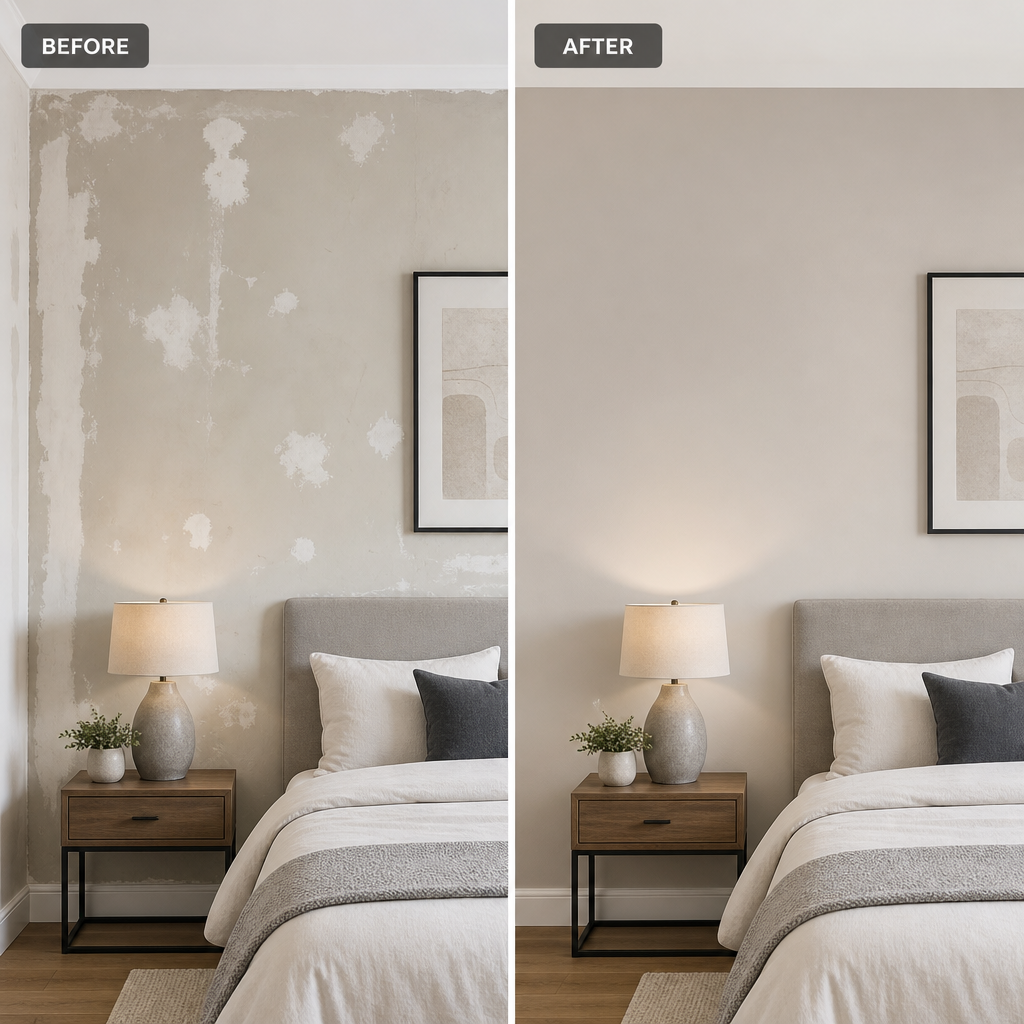
The DIY-vs-professional debate comes down to honest accounting of your time, skill level, and what a poor result will cost you to fix. Here is a direct comparison based on what we see consistently in real-world Langley home projects.
| Factor | DIY Interior Painting | Professional Interior Painting (Dreamscape Painting) |
|---|---|---|
| Upfront Cost | Lower materials cost, but add tool rental and disposal fees | Higher initial investment, but includes all materials, prep, and clean-up |
| Time Required | A typical 3-bedroom home can take 2 to 4 weekends for an inexperienced painter | Same scope typically completed in 2 to 4 days with a professional crew |
| Surface Prep Quality | Most DIYers skip or underdo prep, leading to early paint failure | Professional prep includes washing, patching, sanding, and priming as required |
| Product Access | Retail store products only, limited contractor-grade options | Access to trade-exclusive products and volume pricing on premium paints |
| Result Longevity | 3 to 5 years if prep was done correctly; less if not | 8 to 12 years with proper prep and quality materials, based on 35 years of field experience |
| Liability and Safety | Homeowner assumes all risk, including ladder injuries and product misuse | Fully insured with WCB coverage; homeowner has no liability exposure |
The math often favours professionals more than homeowners initially expect, especially once the value of time is included. A weekend that costs you 16 hours of work, followed by a result that needs professional correction in three years, is not the savings it appeared to be.
Common Mistakes Langley Homeowners Make
After decades of working in Langley and across the Lower Mainland, certain mistakes come up consistently. These are not obscure edge cases. These are the predictable, avoidable errors that drive callbacks and redos.
Painting in Cold or Wet Conditions
Most latex paints require a minimum application temperature of 10 degrees Celsius and should not be applied when relative humidity exceeds 85%. In Langley’s winter and shoulder seasons, both conditions are routinely present. Painting a cold room or working in a home where windows are left open on a damp October day leads to poor adhesion, slow cure times, and a soft paint film that marks easily.
Skipping the Caulking Step
Every gap where trim meets wall, where door casings meet drywall, and where baseboards meet flooring needs to be caulked with a paintable acrylic latex caulk before painting. These gaps are where air infiltration occurs and where paint consistently peels first because the edges are not sealed. A common mistake is painting over open gaps and expecting the paint to bridge them. It does not.
Using the Wrong Roller Nap
A 3/8-inch nap roller works for smooth drywall. A 1/2-inch nap is appropriate for lightly textured surfaces. Using too thin a nap on textured walls leaves holidays (missed spots) and too thick a nap on smooth walls creates excessive texture and stippling. It sounds like a minor detail. It is not, and the result is visible across a room in natural light.
A common mistake that compounds this issue is using the wrong brush for cutting in at edges. A 2.5-inch angled sash brush gives control at trim lines. Using a cheap 4-inch brush or a foam applicator at edges results in ragged lines that take significant skill to correct without repainting the trim.
Frequently Asked Questions
How long does an interior painting project take for an average Langley home?
A typical 3-bedroom home in Langley, with standard prep and two-coat application, takes a professional crew 2 to 4 days. This assumes surfaces are in reasonable condition. Homes with significant repairs, wallpaper removal, or oil-based paint conversion require additional time. A detailed in-home estimate will give you an accurate timeline specific to your property.
Do I need to leave my home during interior painting?
With low-VOC or zero-VOC paints, most homeowners can remain in the home during painting, though staying out of rooms being actively worked on is practical and courteous to the crew. If conventional solvent-based products are being used (for example, on cabinetry or trim), better ventilation and temporary relocation is advisable, particularly for young children or those with asthma.
How do I prepare my furniture and belongings before painters arrive?
Professional painters will move and protect furniture using drop cloths and plastic sheeting, but you will save time and reduce risk by removing small valuables, electronics, and fragile items from the rooms being painted before the crew arrives. Take down wall art and curtains yourself. Larger furniture can typically stay in the room and be moved to the centre and covered.
What is the best time of year to do interior painting in Langley?
Interior painting can be done year-round in Langley, which is one of its advantages over exterior work. Spring and summer are preferred because ventilation is easier with windows open, temperatures are consistently above the 10-degree minimum, and drying times are faster. Winter interior projects are fully viable if the home is heated consistently to at least 15 degrees Celsius and humidity is controlled.
How many paint colours can I use in one room without it looking chaotic?
Three is a reliable rule: one dominant wall colour, one accent on a feature wall or architectural detail, and one colour for trim (usually white or near-white). Using more than three distinct colours in a single room creates visual noise that makes spaces feel smaller and busier. If you want visual interest, vary sheen levels rather than adding more colours.
How do I get an accurate quote for interior painting in Langley?
An accurate quote requires an in-home visit. Any company providing a firm price over the phone or from photos alone is guessing. Reputable painters like Dreamscape Painting send an experienced estimator to assess wall conditions, measure square footage, identify prep requirements, and discuss your product preferences before providing a detailed written estimate with no surprises.
Have you recently tackled an interior painting project in Langley or the Fraser Valley? Share what you learned or what you wish you had known before starting.
References
- Health Canada guidance on indoor air quality and VOC exposure in residential buildings
- National Research Council Canada research on building envelope moisture management and paint performance
- U.S. Environmental Protection Agency information on VOC content in interior paints and indoor air quality
- Forbes home improvement guidance on evaluating and hiring professional painting contractors
- Statista data on the residential painting and decorating services industry in Canada