

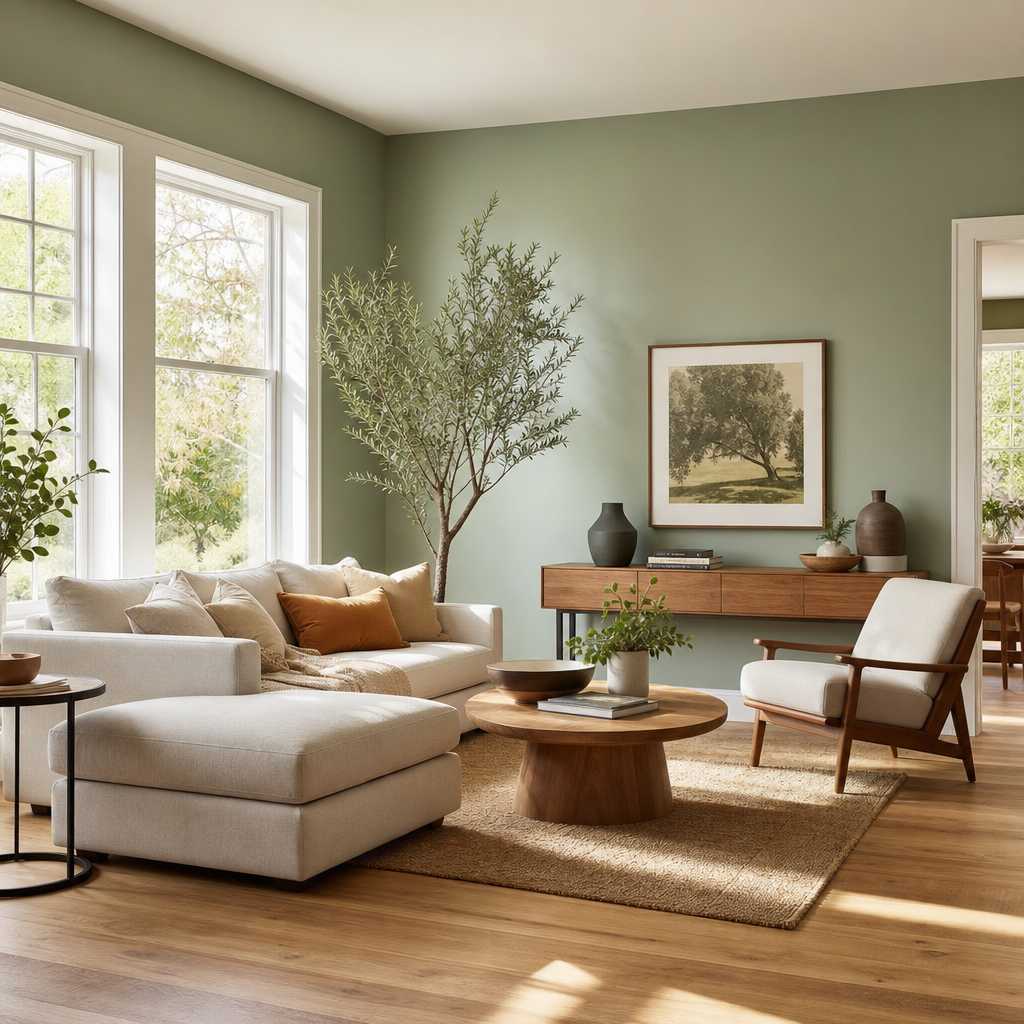
Most Fraser Valley homeowners approach interior painting the wrong way. They pick a color they love, buy paint, and start rolling, only to discover the kitchen needs a completely different product than the bedroom, and the hallway they just finished looks wrong next to the living room. A proper room by room painting guide eliminates those expensive mistakes before they happen. After 35 years of painting homes across Abbotsford, Langley, Surrey, and the Fraser Valley, the team at Dreamscape Painting has seen every avoidable error in the book. This guide covers what actually works, room by room.
Table of Contents
- Quick Takeaways
- Why a Room-by-Room Approach Matters for Fraser Valley Homes
- Preparation Before You Paint Any Room
- Living Room Painting Tips
- Bedroom Painting Tips
- Kitchen Painting Tips
- Bathroom Painting Tips
- Hallways and Entryways
- Paint Finish Comparison by Room
- How Fraser Valley Humidity Affects Your Paint Choices
- When to Hire a Professional Painter
- Frequently Asked Questions
- References
Quick Takeaways
| Key Insight | Explanation |
|---|---|
| Finish type matters more than color | Using flat paint in a kitchen or bathroom in the Fraser Valley will result in mold-prone, scrubbable-resistant surfaces within months. Use satin or semi-gloss in high-moisture rooms. |
| Primer is not optional in older homes | Homes built before 2000 in Abbotsford and Langley often have multiple layers of old paint that must be primed correctly or the new coat will peel within a year. |
| Living rooms need 2 coats minimum | Single-coat coverage on large, naturally lit living room walls almost always shows lap marks and color inconsistencies under natural light from Fraser Valley windows. |
| Bedrooms benefit from low-VOC paint | Sleeping in a room with high-VOC paint for the first weeks after painting affects air quality. Low-VOC options like Benjamin Moore Natura or Sherwin-Williams Harmony are worth the extra cost. |
| Cutting in before rolling is non-negotiable | Rolling first and then cutting in creates visible texture mismatches on walls. Cut in edges first, then roll while the cut-in paint is still wet to blend seamlessly. |
| Fraser Valley humidity requires longer dry times | During wet seasons in the Lower Mainland, expect dry times to increase by 30-50 percent compared to manufacturer-stated times. Rushing recoats causes wrinkling and poor adhesion. |
| Color continuity between rooms affects resale value | A well-executed neutral palette flowing between connected rooms consistently commands higher buyer interest in Fraser Valley real estate, according to staging professionals in the region. |
Why a Room-by-Room Approach Matters for Fraser Valley Homes

Painting your entire home with one product, one finish, and one strategy is one of the most common mistakes homeowners make. Different rooms have different moisture levels, light exposure, traffic levels, and surface conditions. A room-by-room painting guide forces you to treat each space as the unique environment it actually is.
Fraser Valley homes specifically face a climate challenge that homeowners in drier regions do not. The Lower Mainland regularly records relative humidity above 80 percent in fall and winter. That moisture seeps into walls, affects adhesion, and accelerates paint failure if the wrong products are used. Interior painting in the Fraser Valley is not the same project as interior painting in, say, the Okanagan.
In practice, a bathroom painted with the same flat latex used in a bedroom will develop mildew staining within 12 to 18 months in most Abbotsford and Langley homes. The fix is straightforward but only if you plan ahead. That is what this guide is for.
Preparation Before You Paint Any Room
No amount of quality paint fixes poor preparation. In practice, the rooms that look the best 5 years later are the ones where 60 percent of the project time was spent on prep, not painting. This is true whether you are doing the work yourself or hiring a professional painting company in the Fraser Valley.
Surface Cleaning and Repair
Every wall surface should be cleaned with a TSP substitute solution before painting. Grease, dust, and handprints prevent paint adhesion even on walls that look clean. In kitchens, this step is mandatory. In bedrooms and living rooms, it is still recommended, especially on walls near doors, switches, and baseboards.
Fill any nail holes, cracks, or dents with a quality lightweight spackling compound. Sand smooth when dry using 120-grit sandpaper. A common mistake is skipping the sanding step after filling, which leaves a raised patch that is clearly visible under paint, especially with sheen finishes.
Priming the Right Surfaces
Primer is required in four situations: when painting over a dark color with a lighter one, when painting new drywall, when painting over stains or water damage, and when switching paint types. Skipping primer in these situations costs more in paint and labor than the primer itself ever would.
For Fraser Valley homes with older walls showing yellowing from previous smoking or water intrusion, use a shellac-based primer like Zinsser BIN before applying any finish coat. Standard PVA primers will not block those stains reliably.
Pro tip: Always paint a 4-inch by 4-inch test patch in the actual room before committing to a full wall. Natural light in a Fraser Valley home changes dramatically between morning and afternoon, and colors that look perfect on a swatch can look completely different on your wall at 2 PM.
Living Room Painting Tips
The living room is the most viewed space in most homes and the one that sets the tone for every other room in the house. It also tends to have the most natural light, the highest ceilings, and the most complex architecture, including built-ins, fireplaces, and trim details that require careful cutting in.
Choosing the Right Sheen for Living Rooms
For living room and bedroom painting tips, eggshell finish is the standard recommendation for walls in low-to-moderate traffic conditions. Eggshell offers just enough sheen to be wipeable without reflecting light so strongly that every imperfection in the drywall becomes visible. Flat paint on living room walls looks rich initially but marks easily and cannot be cleaned without removing color.
Ceiling paint should always be flat white or off-white. Using any sheen on ceilings shows roller texture and imperfections under overhead lighting. This is a consistent pattern we see in Fraser Valley homes where previous owners painted ceilings with leftover wall paint.
Accent Walls in Living Rooms
Accent walls work when the chosen wall has a natural architectural anchor, such as a fireplace, a large window, or a built-in bookshelf. Randomly selecting a wall to paint a contrasting color without that anchor just creates visual confusion. In open-concept Lower Mainland homes where the living room connects to the dining area, an accent wall on the wrong plane can visually chop the space in half.
“Color is a power which directly influences the soul. It should be used as a strategic tool, not a decorative afterthought.” – Wassily Kandinsky, artist and color theorist, as referenced in architectural color theory literature.
Bedroom Painting Tips
Bedrooms are where color choices have the most direct psychological impact. Research in environmental psychology, including studies published by the University of British Columbia, consistently links cooler, muted tones such as soft blue-greys and warm whites with improved sleep onset and reduced nighttime cortisol levels. That is not a trivial consideration when choosing paint for a space where you spend roughly a third of your life.
Low-VOC Paint Is Worth the Price Premium
Standard latex paint off-gasses volatile organic compounds for several weeks after application. In an enclosed bedroom in a Fraser Valley home, especially one with limited ventilation in winter, that matters. Low-VOC paints from Benjamin Moore (Natura line) or Sherwin-Williams (Harmony line) cost roughly 15 to 25 percent more per gallon but reach near-zero VOC emissions within 24 to 48 hours of application.
For children’s bedrooms, low-VOC is non-negotiable in our view. No color choice justifies compromising air quality in a child’s sleeping environment.
Master Bedroom Considerations
Master bedrooms in Fraser Valley homes increasingly feature ensuite doors, walk-in closet doors, and tray ceilings. Each of those elements benefits from a different treatment. A common mistake is painting the tray ceiling the same color as the walls, which loses the architectural detail entirely. The correct approach is to paint the tray ceiling a shade or two lighter than the wall color to emphasize the depth.
Pro tip: In bedrooms with west-facing windows, avoid bright cool whites on the main wall. The late afternoon sun will make that wall look orange or pink due to the warm light spectrum at sunset. A warm off-white like Benjamin Moore White Dove or Chantilly Lace handles that light shift far better.

Kitchen Painting Tips
Kitchens are the highest-failure zone for interior paint in any home. Grease, steam, frequent cleaning, and temperature swings from cooking create a surface environment that destroys paint not designed for it. In Fraser Valley homes where cooking is a daily, high-activity event, using the wrong product in a kitchen is a guaranteed repaint within two to three years.
Semi-Gloss Is the Standard for Kitchen Walls
Semi-gloss or satin finish is the correct choice for kitchen walls. Semi-gloss is more scrubbable but shows more texture and imperfections. Satin is slightly more forgiving visually while still offering adequate moisture and grease resistance. For kitchen cabinets, semi-gloss or gloss is the only acceptable finish. Eggshell on cabinets will absorb grease and stain permanently within months.
If you are considering cabinet refinishing rather than full replacement, professional sprayed semi-gloss or satin alkyd finishes provide a factory-quality result that brush-applied paint never will. Dreamscape Painting has refinished hundreds of kitchen cabinet sets across Surrey and Langley using commercial spray equipment that eliminates brush marks entirely.
Color in Kitchens
Whites and off-whites dominate kitchen color choices in the Fraser Valley because they work with almost every countertop and flooring combination. However, the specific white matters enormously. Pure bright white like Benjamin Moore Chantilly Lace reads cleanly in modern kitchens. Warmer whites like Swiss Coffee or Navajo White suit traditional or farmhouse-style kitchens common in Abbotsford and Langley.
Bathroom Painting Tips
Bathrooms are the smallest rooms in most homes and the ones most homeowners underestimate in terms of painting complexity. The combination of steam, direct water splashing, poor ventilation in older Fraser Valley homes, and limited surface area for a roller means bathrooms require precision, the right product, and realistic expectations about dry times.
Moisture-Resistant Paint Is Not Optional
Standard interior latex paint in a bathroom without an exhaust fan, or one that is chronically under-used, will develop mildew within a year. Use a paint with mildewcide additives specifically formulated for bathrooms. Benjamin Moore Aura Bath and Spa and Sherwin-Williams Emerald Interior are two products that perform reliably in Fraser Valley bathroom conditions.
Ventilation improvement is often a better investment than premium paint alone. If your bathroom exhaust fan does not run during and for 20 minutes after every shower, no paint product will fully compensate for that moisture load.
Finish Selection in Bathrooms
Satin finish is the sweet spot for bathroom walls. Semi-gloss shows every water splash and handprint mark, which looks poor in a small room. Flat and eggshell absorb moisture and stain easily. Satin provides the right balance of moisture resistance and visual forgiveness in a small, high-reflection space.
Hallways and Entryways
Hallways and entryways are the most physically punished surfaces in any home. Shoulders brush walls, luggage scrapes baseboards, hands touch surfaces constantly, and in Fraser Valley homes, wet coats and muddy boots are a reality for at least six months of the year. Painting these areas with the same product as a bedroom is a planning failure.
Use satin or semi-gloss in hallways and entryways, full stop. The extra sheen makes cleaning possible. Scuff marks that would permanently stain a flat or eggshell surface wipe off satin with a damp cloth in most cases.
Color in hallways should transition logically from the adjacent rooms. A common mistake in open-plan Fraser Valley homes is choosing a hallway color in isolation that looks jarring against the living room it connects to. Paint the hallway color swatch next to the adjacent room colors before committing.
Paint Finish Comparison by Room
| Room Type | Recommended Finish | Why It Works Here |
|---|---|---|
| Living Room Walls | Eggshell | Low sheen hides minor wall imperfections while allowing light cleaning. Holds color well in naturally lit Fraser Valley living rooms. |
| Bedroom Walls | Eggshell or Flat | Flat finish in low-traffic bedrooms provides the richest color depth. Eggshell is better if children use the room. |
| Kitchen Walls | Satin or Semi-Gloss | Grease and steam resistance. Semi-gloss for maximum scrubability, satin for a slightly softer look with similar durability. |
| Bathroom Walls | Satin | Moisture resistance without the high reflectivity of semi-gloss. Paired with mildewcide-containing paint for Fraser Valley humidity. |
| Hallways and Entryways | Satin or Semi-Gloss | High-traffic surfaces require maximum wipability. Satin is the minimum acceptable finish for these areas. |
| All Ceilings | Flat White | Flat finish eliminates visible roller texture under lighting. Any sheen on ceilings exposes every imperfection. |
| Trim and Baseboards | Semi-Gloss or Gloss | Trim takes direct contact and cleaning. High-sheen finishes on trim are both traditional and practical for durability. |
How Fraser Valley Humidity Affects Your Paint Choices
This is the section most generic painting guides skip entirely, and it is the one Fraser Valley homeowners need most. The Lower Mainland and Fraser Valley receive between 1,200 and 1,700 mm of precipitation annually, with relative humidity regularly exceeding 85 percent in fall and winter months. That environment directly affects what products you should use, when you should paint, and how long you should wait between coats.
Do not paint interior surfaces when the ambient temperature is below 10 degrees Celsius or above 32 degrees Celsius. Do not paint when relative humidity exceeds 85 percent. In Fraser Valley basements, garages with interior access, or any room with chronic condensation issues, address the moisture source before painting. Paint applied over a moisture problem will fail regardless of product quality.
Water-based alkyd paints, sometimes labeled as waterborne alkyds, have become the preferred product for Fraser Valley interior painting among experienced professionals. They apply and clean up like latex but cure with the hardness and moisture resistance closer to oil-based products. Sherwin-Williams Emerald Urethane and Benjamin Moore Advance are the two products Dreamscape’s estimators most frequently specify for clients in high-humidity areas of the region.
Pro tip: In Fraser Valley homes built on slab foundations, basement walls and floors adjacent to the slab can wick moisture even when no visible water intrusion occurs. Test with a plastic sheet taped flat against the wall for 24 hours. Condensation on the underside means moisture is coming through the wall, not from the air. No interior paint will hold without addressing that first.
When to Hire a Professional Painter
There is a specific type of project where DIY interior painting makes sense: low-stakes, single-room refreshes with minimal prep required, simple architecture, and forgiving finishes. Everything outside of that description benefits from professional execution, and the cost difference is often smaller than homeowners expect.
Professional painting is worth the investment when the project involves: tall ceilings or stairwells requiring scaffolding or extension poles beyond typical reach, extensive surface repair or stain blocking before painting, cabinet refinishing requiring spray application for a factory finish, or whole-home repaint projects where color coordination and consistent finish quality across all rooms matters for resale.
Dreamscape Painting has served Fraser Valley homeowners since 1990, and our estimators have walked through thousands of homes in Abbotsford, Langley, Surrey, and throughout the Lower Mainland. We consistently find that homeowners who attempt large projects without professional help spend more in total when factoring in repurchased materials, time, and eventual professional correction work.
If you are comparing painting companies in the Fraser Valley, look specifically at how an estimator approaches your project. A professional estimator should walk every room, ask about existing surface conditions, discuss product specifications, and provide a written scope of work. An estimator who quotes without inspecting surfaces is guessing, and that guess usually gets revised upward after the work starts.
Frequently Asked Questions
How many coats of paint does a typical room need?
Most rooms in good condition need two coats of finish paint over a primed surface. Going from a dark color to a light one, or painting over a stained or repaired surface, often requires three coats for consistent coverage. Single-coat coverage claims on paint cans are technically possible but rarely produce a result that looks professional in real lighting conditions.
What is the best paint color for small rooms in Fraser Valley homes?
Light, warm neutrals are the most reliable choice for small rooms in the Fraser Valley. Colors like Benjamin Moore Pale Oak, Sherwin-Williams Accessible Beige, or any soft greige tone reflect the limited natural light common in smaller Lower Mainland bedrooms and hallways. Avoid cool whites in north-facing rooms as they read grey or blue-grey in the indirect light those rooms typically receive.
How long should I wait between coats of interior paint?
Manufacturer-stated dry times are typically 2 to 4 hours for water-based paints under ideal conditions. In Fraser Valley fall and winter humidity, add at least 50 percent to those times. Rushing a second coat before the first has cured fully is one of the most common causes of wrinkling, tackiness, and poor adhesion we see on DIY projects. When in doubt, wait longer.
Is it worth painting interior ceilings when repainting walls?
Yes, consistently. Fresh wall paint next to an aged yellow ceiling makes the ceiling look worse than it did before. Ceiling paint is inexpensive, flat white ceiling paint applies quickly, and the visual impact of a bright fresh ceiling in combination with freshly painted walls is significant. If you are hiring a professional painting company in Abbotsford or Langley, ceilings should be part of any whole-room quote.
How do I choose paint colors that flow between rooms in an open-concept home?
Start with one anchor color, typically a neutral, and build adjacent room colors from the same undertone family. Warm undertones such as yellow, red, or orange should stay within the warm family. Cool undertones such as blue or green should stay within the cool family. Mixing undertone families across connected open-plan spaces creates a visual discord that is difficult to identify but immediately feels wrong. Many Fraser Valley painting estimators, including ours at Dreamscape, offer color consultation as part of the initial estimate visit.
Can I paint over wallpaper in a Fraser Valley home?
Painting over wallpaper is almost never recommended. The seams will telegraph through paint regardless of how many coats are applied, humidity causes wallpaper adhesive to reactivate and bubble under paint, and the result deteriorates faster than walls properly prepared with wallpaper removed. The correct approach is removal, skim coating any damaged drywall, priming, and then painting. It costs more upfront and saves significant money within three to five years.
If you have recently painted a room in your Fraser Valley home or are in the planning stages, share what challenges came up in your specific space. Your experience might save another local homeowner a costly mistake.
We would love your feedback and any insights you would share with others. What perspective would you add?
References
- United States Environmental Protection Agency: information on indoor air quality and volatile organic compounds in interior paints
- Forbes Home: expert guidance on home improvement costs, return on investment for interior painting, and professional versus DIY comparisons
- Statista: data on the home improvement and painting industry, including regional market trends in Canada
- National Research Council of Canada: technical standards for moisture management and paint adhesion in Canadian residential construction
- Canada Mortgage and Housing Corporation: guidelines on moisture control, ventilation, and building envelope performance in Lower Mainland and Fraser Valley housing

