
Most homeowners in the Lower Mainland wait until they absolutely have to repaint, and that delay almost always costs them more. Peeling paint, moisture damage, and failed coatings are rarely the result of bad luck. They are the result of painting at the wrong time of year. If you are planning exterior painting this summer in BC, the data and decades of field experience both point to the same window: June and July. This article explains exactly why, and what you need to know to make the most of that window before the fall rains return to the Fraser Valley.
Table of Contents
- Quick Takeaways
- Why Summer Is the Right Time for Exterior Painting in BC
- June and July: The Sweet Spot for Exterior Painters in the Lower Mainland
- What Happens When You Paint Outside the Ideal Window
- Paint Types and How Summer Conditions Affect Application
- Comparing Seasonal Painting Approaches in BC
- Preparing Your Home for a Summer Exterior Paint Job
- Frequently Asked Questions
- References
Quick Takeaways
| Key Insight | Explanation |
|---|---|
| June and July offer the driest conditions in BC | Environment Canada data shows Metro Vancouver averages fewer than 45mm of rain in July, compared to over 150mm in November. Dry conditions are non-negotiable for proper paint adhesion. |
| Temperature must stay above 10°C for latex paint to cure | Most quality exterior latex paints require a minimum of 10°C during application and for several hours after. Lower Mainland summers consistently meet this threshold day and night. |
| Humidity below 85% is required for reliable coating | BC summers in June and July typically see afternoon relative humidity in the 50-65% range, well within safe painting conditions for both latex and oil-based products. |
| Direct afternoon sun can cause lap marks and blistering | Even in summer, experienced exterior painters follow the shade around the house, working in morning or late afternoon light to prevent the paint from drying too fast. |
| Booking professional painters in advance is essential | Reputable exterior painters in the Lower Mainland, including Dreamscape Painting, fill their summer calendars quickly. Waiting until July to call often means an August start at best. |
| Surface preparation is more effective in dry summer conditions | Power washing, sanding, and caulking all perform better and cure faster when ambient moisture is low. Summer prep means primer and topcoats bond to a genuinely dry substrate. |
| Two-coat systems are more durable when applied in summer | Proper recoat intervals between primer and finish coats are easier to achieve in BC summers, where drying times are predictable and consistent across the Fraser Valley. |
Why Summer Is the Right Time for Exterior Painting in BC
British Columbia is not a simple climate to paint in. The Lower Mainland, from Surrey and Langley out through Abbotsford and the Fraser Valley, experiences a coastal climate that brings heavy rainfall from October through April and a genuinely dry stretch from late May through mid-September. That dry stretch is your painting window, and it is shorter than most homeowners realize.
In practice, painting professionals working the Lower Mainland region will tell you that spring is frequently too wet and unpredictable, and August can arrive with surprise heat domes or early rain events. The reliable core of the exterior painting season is June through mid-July, and experienced crews plan their schedules around this reality.
Paint manufacturers such as Sherwin-Williams and Benjamin Moore both specify minimum application and cure temperatures on their exterior product datasheets. Most quality exterior latex formulations require temperatures above 10°C during application and for at least four hours afterward. BC summers deliver this consistently. More importantly, nighttime temperatures in June and July in the Lower Mainland rarely drop below 12°C, which means overnight curing is reliable rather than risky.
The relationship between humidity and paint performance is one that many homeowners underestimate. High relative humidity slows evaporation, which extends drying times and can cause water-based paints to sag, run, or fail to build adequate film thickness. Environment Canada climate normals for the Metro Vancouver area show July afternoons averaging relative humidity around 58 to 65 percent. That is well within the acceptable range for exterior coatings. Compare that to November, when afternoon humidity regularly exceeds 85 percent, and the case for summer painting becomes obvious.
Pro tip: Even in summer, avoid painting on mornings when there has been overnight dew. Wait until surfaces have been dry for at least two hours after sunrise before starting application. A quick moisture meter check on wood siding can save you from a costly re-do.
June and July: The Sweet Spot for Exterior Painters in the Lower Mainland
Among all the months in the BC exterior painting calendar, June and July earn their reputation for a specific set of reasons that go beyond simply being warm and dry. This is the period when the entire set of variables, temperature, humidity, UV index, and rain probability, aligns in a way that supports professional-quality results.
Rainfall Probability Is at Its Annual Low
Environment Canada historical climate data for the Vancouver region shows that July is consistently the driest month of the year, with an average of approximately 35 to 44mm of total rainfall. June averages around 45 to 60mm but distributes that moisture in fewer, more predictable events compared to shoulder-season months. For exterior painters working on homes in Abbotsford, Langley, and Surrey, this means fewer forced interruptions and more reliable scheduling for multi-day projects.
A common mistake is starting an exterior paint job in late April or May, optimistic about a dry spell, only to have a two-week rain event stall the project mid-coat. This leaves primer exposed, allows moisture to penetrate partially prepared surfaces, and ultimately compromises adhesion of the finish coat. June and July largely eliminate this risk.
Surface Temperatures Support Proper Film Formation
Beyond air temperature, surface temperature is what actually drives how paint behaves during application and cure. In June and July in the Lower Mainland, wood, stucco, and fiber cement siding surfaces reach temperatures in the 18 to 28°C range during working hours. This is the ideal zone for latex paints to flow out properly, level evenly, and form a continuous film without flashing or lap marks.
When surface temperatures exceed 35°C, which can happen on south-facing walls during August heat events in Abbotsford and the Fraser Valley, paint dries so rapidly that brush and roller marks cannot self-level. The result is a textured, uneven finish that looks unprofessional regardless of the quality of the product used. June and July mornings and evenings avoid this problem entirely.
“Ideal exterior painting conditions require surface temperatures between 10°C and 35°C, with no rain forecast for at least 24 to 48 hours after application.” – Sherwin-Williams Exterior Application Guidelines
What Happens When You Paint Outside the Ideal Window
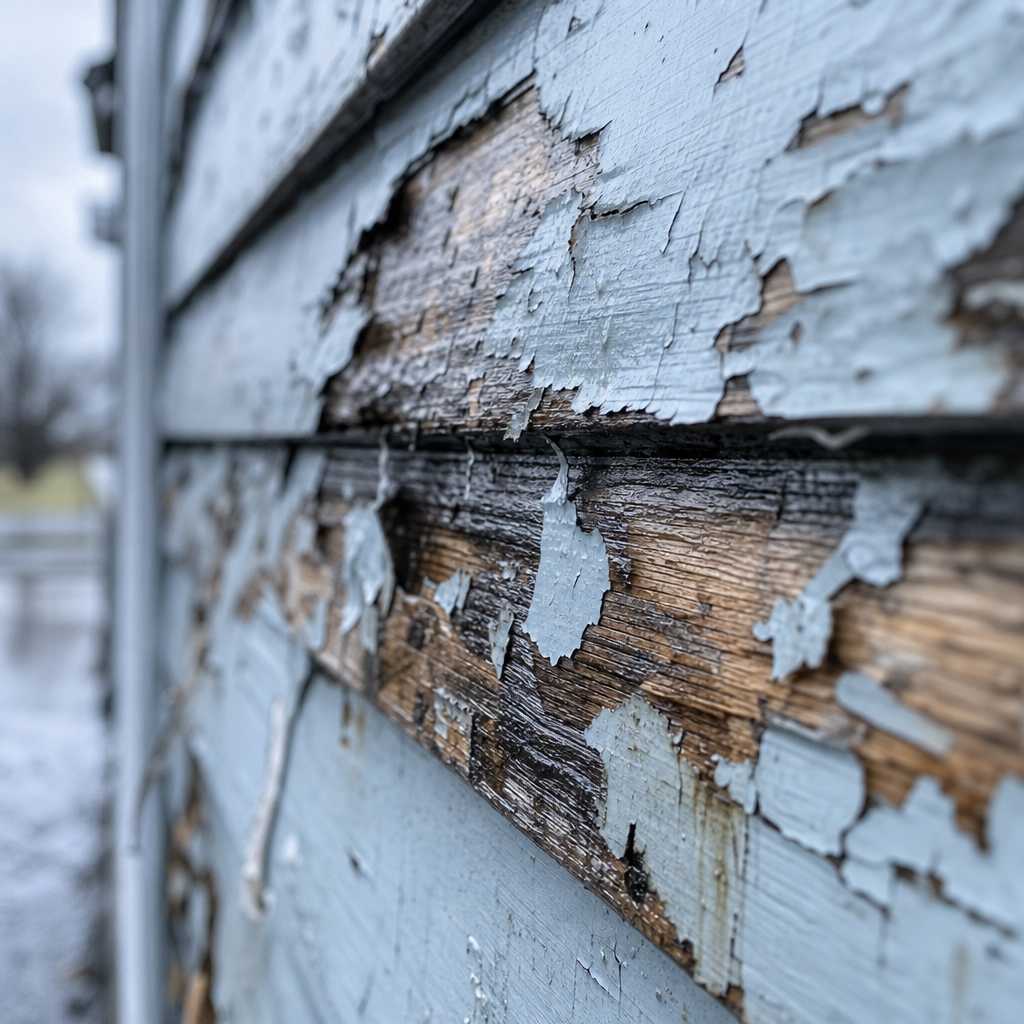
Painting in October in the Lower Mainland is a decision that professional painters at Dreamscape Painting actively discourage, and the reasons are well documented. Cool temperatures slow the cross-linking process in latex resins, meaning the paint never achieves full hardness. The result is a coating that chips, peels, and wears within a single winter season rather than lasting the five to ten years a properly applied exterior coat should deliver.
Painting in early spring, particularly on wood siding and trim, carries similar risks. Wood that has absorbed winter moisture will release that moisture as temperatures rise, and that vapor pressure pushes paint off the surface from the inside out. In the Lower Mainland, this is one of the most common causes of early paint failure on cedar siding homes in neighborhoods across Langley and Surrey.
Late-season painting in August also carries specific risks unique to BC. The province has experienced a pattern of atmospheric river events arriving earlier in fall, and painting crews who push into September in the Fraser Valley are frequently caught by early rain. A finish coat that gets rained on within 24 to 48 hours of application can chalk, soften, and lose its sheen permanently.
Pro tip: If you must paint in late August or early September in the Lower Mainland, always check the 10-day forecast from Environment Canada before committing to a start date. A clear 10-day window is a reasonable minimum for a full exterior repaint on an average single-family home.
Paint Types and How Summer Conditions Affect Application
Not all exterior paints behave the same way in summer conditions, and choosing the right product for BC’s coastal climate matters as much as choosing the right month to apply it.
100 Percent Acrylic Latex: The Right Choice for Most BC Homes
In practice, 100 percent acrylic latex is the dominant choice for exterior painting on homes in the Lower Mainland, and for good reason. Acrylic latex expands and contracts with wood and other substrates as temperatures change, which is critical in a climate with significant seasonal temperature swings. It cures reliably in the 15 to 28°C range that June and July deliver, and it resists mold and mildew growth better than alkyd-based alternatives, which matters in BC’s damp fall and winter seasons after the paint has been applied.
For cedar siding, which is common across older homes in Langley, Abbotsford, and Surrey, a high-quality acrylic latex applied over a stain-blocking primer in summer delivers the best long-term results. The summer heat helps the primer dry thoroughly before topcoating, reducing the risk of tannin bleed-through that plagues cedar painting jobs done in cooler, wetter conditions.
Oil-Based Primers in Summer: Still Useful on Problem Surfaces
While water-based systems dominate modern exterior painting, oil-based primers still have a role on heavily weathered wood surfaces, bare wood with significant grain raise, or areas prone to tannin staining. Summer conditions in BC are actually ideal for oil primers because their longer open time becomes an advantage rather than a liability. The warm, dry air allows oil primers to penetrate deeply into open wood grain before the surface skins over, producing superior adhesion for the acrylic topcoats that follow.

The tradeoff is that oil primers take longer to dry completely, typically 24 hours in summer conditions versus 48 hours or more in cool or damp weather. That extended recoat window is actually easier to manage on a June or July project in the Lower Mainland than on a project started in April, when overnight temperatures can unexpectedly dip and stall the cure process entirely.
Comparing Seasonal Painting Approaches in BC
| Painting Season | Conditions in Lower Mainland BC | Risk Level and Outcomes |
|---|---|---|
| June and July (Peak Summer) | Temperatures 18 to 28°C, humidity 55 to 65%, rainfall under 50mm/month, long dry spells common | Low risk. Ideal for latex and oil-based systems. Full cure achievable before fall rains. Best long-term adhesion and finish quality. |
| April and May (Late Spring) | Temperatures 10 to 16°C, humidity 70 to 80%, frequent rain events, morning dew common | Moderate to high risk. Unpredictable weather causes project delays. Cool nights slow cure. Early paint failure risk on cedar and wood siding. |
| September and October (Early Fall) | Temperatures 8 to 15°C and falling, humidity rising above 80%, atmospheric river events possible from late September | High risk. Latex coatings may not achieve full hardness. Rain events can ruin uncured finish coats. Not recommended for full exterior repaints in the Fraser Valley. |
Preparing Your Home for a Summer Exterior Paint Job
The quality of a summer exterior paint job is determined more by preparation than by application. This is something the team at Dreamscape Painting has built its reputation on over 35 years of work across the Lower Mainland. Paint applied over dirty, chalky, or moisture-compromised surfaces will fail prematurely regardless of the season or the quality of the product used.
Power Washing and Surface Drying Time
Every exterior painting project at Dreamscape Painting begins with a thorough power wash of all surfaces to be coated. In summer, surfaces dry reliably within 24 to 48 hours of washing, compared to three to five days or more in cooler, cloudier spring conditions. This faster drying time is one of the underappreciated advantages of exterior painting in summer in BC. Crews can wash on a Monday and be prepping and priming by Wednesday without risk.
Wood siding and trim should register below 15 percent moisture content before any primer is applied. Experienced painters use a pin-type moisture meter to confirm this. In June and July on most Lower Mainland homes, this threshold is met within 24 to 36 hours of power washing.
Caulking and Gap Sealing Before Primer
Caulking exterior joints, window frames, door frames, and trim gaps is essential to preventing water infiltration in BC’s wet winters. The best practice is to apply paintable acrylic caulk before priming so that the caulk and primer cure together, creating a sealed, unified surface. In summer conditions, acrylic caulk skins over and becomes paintable within one to two hours. In fall or spring conditions, that same caulk may require four to six hours or more before it can accept primer without smearing.
A common mistake among homeowners attempting DIY exterior painting is applying caulk over existing paint rather than down to the substrate. This creates a weak bond that peels off within one to two winters, taking the fresh paint with it. Professional painters remove old caulk entirely before applying new product.
Scheduling Around Direct Sun Exposure
Even in ideal June and July conditions, direct sun on a south or west-facing wall between 11am and 3pm raises surface temperatures into the problematic range for paint application. Experienced exterior painters in the Lower Mainland follow the shade around the house, starting on east-facing and north-facing elevations in the morning and moving to south and west faces in the late afternoon as the sun moves. This approach produces a noticeably more even finish and reduces the risk of visible lap marks on larger wall surfaces.
Frequently Asked Questions
What is the best time of year to paint the exterior of a house in BC?
The best time for exterior painting in BC is June and July. These months offer the lowest average rainfall, consistent temperatures above 15°C, and afternoon humidity levels in the 55 to 65 percent range. All of these conditions support proper adhesion, cure, and long-term durability for both latex and oil-based exterior coatings across the Lower Mainland and Fraser Valley.
Can you paint the exterior of a house in the rain or right after rain in BC?
No. You should never apply exterior paint to wet or damp surfaces. After rainfall, surfaces need to dry completely, which typically means waiting at least 24 to 48 hours in summer conditions. In cooler fall or spring weather, drying times can extend to three to five days. Applying paint to a damp surface causes poor adhesion, bubbling, and early peeling, all of which require costly repainting within a year or two.
How far in advance should I book an exterior painter in the Lower Mainland for summer?
For June and July start dates, most reputable exterior painting companies in the Lower Mainland, including Dreamscape Painting, are fully booked by April or early May. If you want a summer slot, contacting a painter in February or March gives you the best selection of dates. Waiting until June to call typically means your project starts in August at the earliest, which pushes into the riskier late-season window.
Does exterior paint really last longer when applied in summer versus fall?
Yes, and the difference is significant. Paint applied in optimal summer conditions, with surface temperatures between 15 and 30°C and humidity below 70 percent, achieves full film formation and hardness within five to seven days of application. Paint applied in cool, damp fall conditions may never fully cure to its rated hardness, which shortens its effective lifespan by two to four years on average. On a quality exterior paint job that should last eight to twelve years, this is a meaningful difference.
What exterior paint sheen is best for homes in the Lower Mainland?
For main body siding surfaces, a satin or low-sheen finish performs best in BC. It offers enough sheen to shed water and resist mildew while hiding surface imperfections better than semi-gloss. Trim, fascia, doors, and window frames benefit from semi-gloss or gloss finishes, which provide greater durability and moisture resistance in areas that take direct weather exposure. Flat finishes are generally not recommended for exterior use in the Lower Mainland due to the region’s high annual rainfall.
Is it worth hiring a professional painter instead of doing it myself in summer?
For a full exterior repaint on a two-storey home in Surrey, Langley, or Abbotsford, professional application consistently produces better results and longer paint life than DIY attempts. The reasons include proper surface preparation with commercial equipment, knowledge of shade sequencing to avoid lap marks, correct application rates to achieve specified dry film thickness, and access to contractor-grade paint products not available at retail. The cost difference is recovered within the first repaint cycle due to superior longevity.
Have you had an exterior paint job done in BC, whether in summer or outside the ideal window? Share what the experience was like and whether the timing made a difference to how the finish held up over time.
References
- Environment and Climate Change Canada historical climate data for Metro Vancouver and the Fraser Valley
- National Research Council of Canada guidance on building envelope performance and exterior coatings in humid climates
- US Environmental Protection Agency resources on low-VOC and water-based exterior paint formulations and their performance characteristics
- Forbes coverage of home improvement investment and the return on value from professional exterior painting services
- Statista market research on the residential painting services industry and seasonal demand trends in North America

