


Most homeowners in Abbotsford, Langley, and Surrey hire a painter only a handful of times in their lives, so they rarely build the experience needed to judge one. A quote that looks cheap on paper can hide thin prep work, a crew that changes halfway through the job, or coverage gaps that show up after the first wet season. Choosing a painting contractor in the Fraser Valley is less about finding the lowest number and more about knowing which details separate a durable repaint from an expensive redo. This guide covers the checks we would run ourselves if we were the homeowner across the table.
Table of Contents
- Quick Takeaways
- Why Fraser Valley Jobs Need a Different Checklist
- Get Three Written Estimates You Can Compare
- Preparation Scope: Where Most Quotes Go Wrong
- Comparing Common Ways to Hire a Painter
- Verifying Insurance and Workmanship Warranties
- Reading Reviews and References Critically
- Red Flags That Should End the Conversation
- Scheduling Around Fraser Valley Weather
- Frequently Asked Questions
- References
Quick Takeaways
| Key Insight | Explanation |
|---|---|
| Collect at least three written estimates | Consumer Reports advises consulting at least three professional painters and being home for the first visit, so you can see how long each one spends assessing the house. |
| Judge the estimate by its prep section | Two bids with the same number of coats can differ widely in how much scraping, filling, and sanding they include, and that gap drives the lifespan of the paint. |
| Ask who will physically paint your home | Confirm whether the crew is employed or subcontracted, who supervises them, and whether the lead painter stays on your job from start to finish. |
| Request proof of insurance and workers’ coverage | Ask for a current certificate of liability insurance and confirmation that workers are covered by the provincial workers’ compensation system before any deposit changes hands. |
| Ask for references on jobs at least a year old | Recent projects look good on day one. Older jobs show whether the paint held up through a damp winter and whether the contractor returned calls afterward. |
| Schedule exterior work for drier, milder months | Cool, damp weather slows drying and can weaken paint adhesion, so a credible contractor will explain how they handle weather delays in writing. |
Why Fraser Valley Jobs Need a Different Checklist
The Fraser Valley mixes older character homes, newer subdivisions, acreage properties, and commercial plazas, and each one ages paint differently. A home with a sun-exposed wall and a shaded wall often needs different prep and product choices on each side. A contractor who quotes every house with the same template is usually skipping the assessment that matters most.

Moisture and the Wet Season
Paint in this region spends long stretches under rain, fog, and cool humidity, and that moisture works its way into any crack or failed caulk line. If a contractor does not mention caulking, moisture testing, or repairs to trim and soffits, they are pricing a surface that will look fine for one season and then peel. Ask them directly how they will handle damp wood before they start.
Mixed Housing Stock Means Mixed Prep Needs
Older homes often have layers of paint that may have been applied decades ago, while newer builds may have drywall with unfinished joints or factory-primed trim. Each surface needs a different approach, and a good estimator will ask about the age of the house and any previous repainting. Those questions take time, which is why a contractor who spends twenty minutes on your property is rarely giving you a serious estimate.
“Over time, paint fades and cracks. This not only makes the siding vulnerable to damage but also doesn’t look good.” Rich Handel, test project leader for paints at Consumer Reports
Get Three Written Estimates You Can Compare
Three estimates is the minimum that lets you spot an outlier. One quote tells you what a contractor charges, but two or three side by side tell you what the job actually requires. Ask each company to put everything in writing, and do not accept a verbal number over the phone as a substitute.
What a Complete Written Estimate Includes
A complete estimate should break out labor, materials, and the number of primer and topcoat applications. It should also name the paint brand and product line, describe the surface preparation in plain language, and list any areas excluded from the scope. Consumer Reports recommends this level of detail for exactly this reason, because a vague line item like “prep and paint” is impossible to compare fairly.
Reading a Low Bid Without Getting Burned
When one bid is far below the others, the cheapest explanation is usually the right one: less prep, fewer coats, or a lower-grade product. Ask the low bidder to walk you through each line item, then compare that to the other estimates. If the gap disappears once the scope is matched, you have found a fair price. If it does not, you have found the reason the price was low. To sanity-check a number, see our painting estimate guide for Vancouver.
Preparation Scope: Where Most Quotes Go Wrong
Paint adheres to what is underneath it, which makes preparation the most important part of most projects and the part homeowners understand least. Two contractors can both promise two coats of premium paint and still deliver very different results, depending on how they handled the existing surface. Preparation is where the real cost of a job lives.
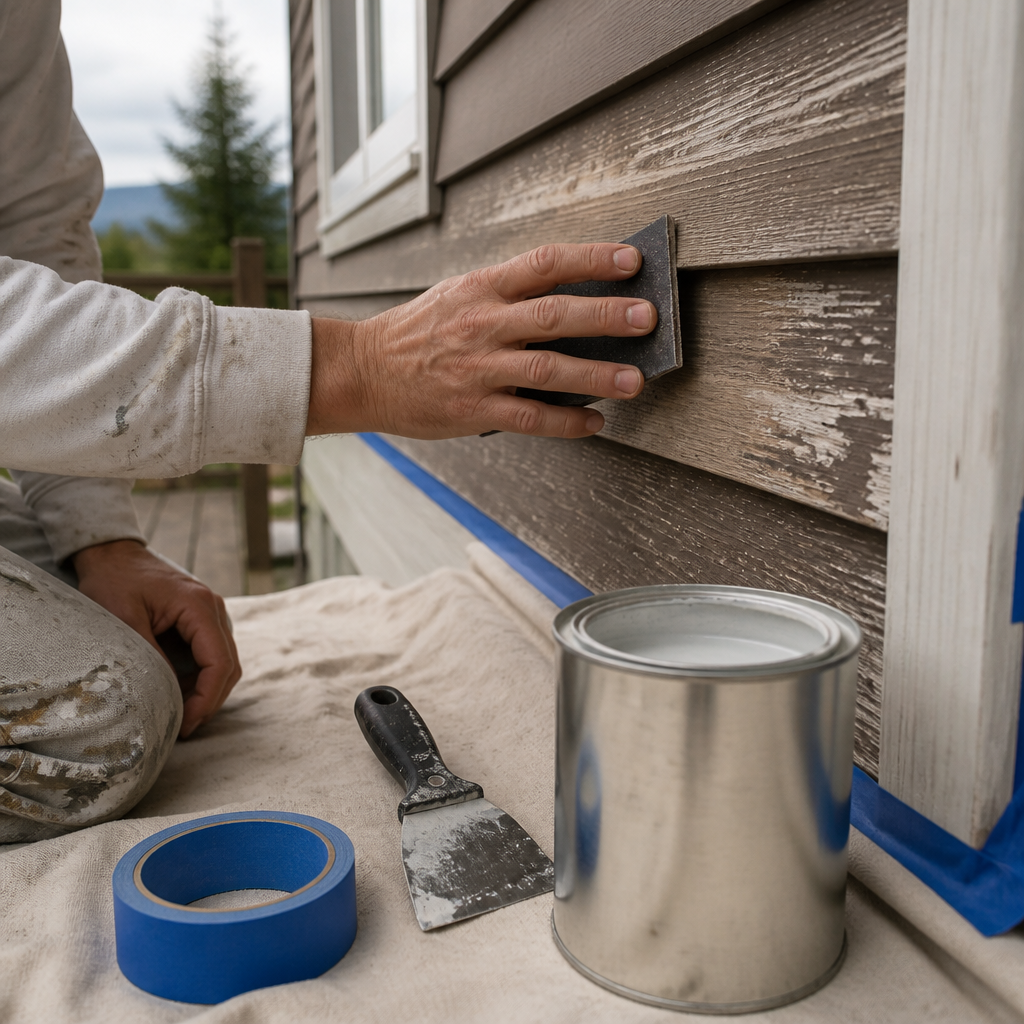
Scraping, Filling, and Sanding
Good preparation means removing loose or failing paint, filling holes and cracks, and sanding edges so the new coat sits flat. Ask whether the scope includes scraping down to sound paint or only spot-sanding the surface. If the estimate says “prep as needed,” require the contractor to define what that means before you sign.
When Skipping Prep Is Acceptable
Not every project needs full prep. If the existing paint is sound and you are only changing color on a well-kept interior, a lighter prep scope can save money without hurting the result. The mistake is making that trade-off by accident, so agree on the acceptable level of prep in writing and confirm that the crew will follow it.
Pro tip: Walk the property with the estimator and point out any areas you consider already failing, such as peeling trim or soft siding. A contractor who writes those spots into the estimate is more likely to deliver what you expect.
Comparing Common Ways to Hire a Painter
Homeowners in this region typically choose between a dedicated painting company, a general handyman or multi-trade contractor, and a low-cost bid from an online listing or a one-off crew. Each one can work well, but the risks differ. The table below compares them on the points that matter most when a job goes sideways.
| Hiring Approach | Where It Works Well | Where It Often Fails |
|---|---|---|
| Dedicated painting company with an in-house estimator | Consistent prep standards, written scopes, and crews who paint every week. Usually the best fit for exterior work and multi-room interiors. | Pricing can be higher than a one-person operation, and some companies sell a sales-led process that moves faster than the actual assessment. |
| General handyman or multi-trade contractor | Useful for small touch-ups, repairs combined with painting, or a single room when painting is a small part of the job. | Paint quality and prep depth vary, and large exterior jobs may be handled by a rotating crew with little painting specialization. |
| Lowest-price bid from an online listing or one-off crew | Can deliver a quick interior refresh when the walls are in good shape and the scope is simple. | Insurance and warranty coverage are often unclear, and the lowest bid frequently means the thinnest prep and the least accountability. |
Verifying Insurance and Workmanship Warranties
A painting project is a job site with ladders, scaffolding, and occupied homes, so coverage matters as much as color. Before you pay a deposit, confirm that the contractor carries liability insurance and that every worker on your property is covered. Coverage gaps are the most expensive surprise a homeowner can face.
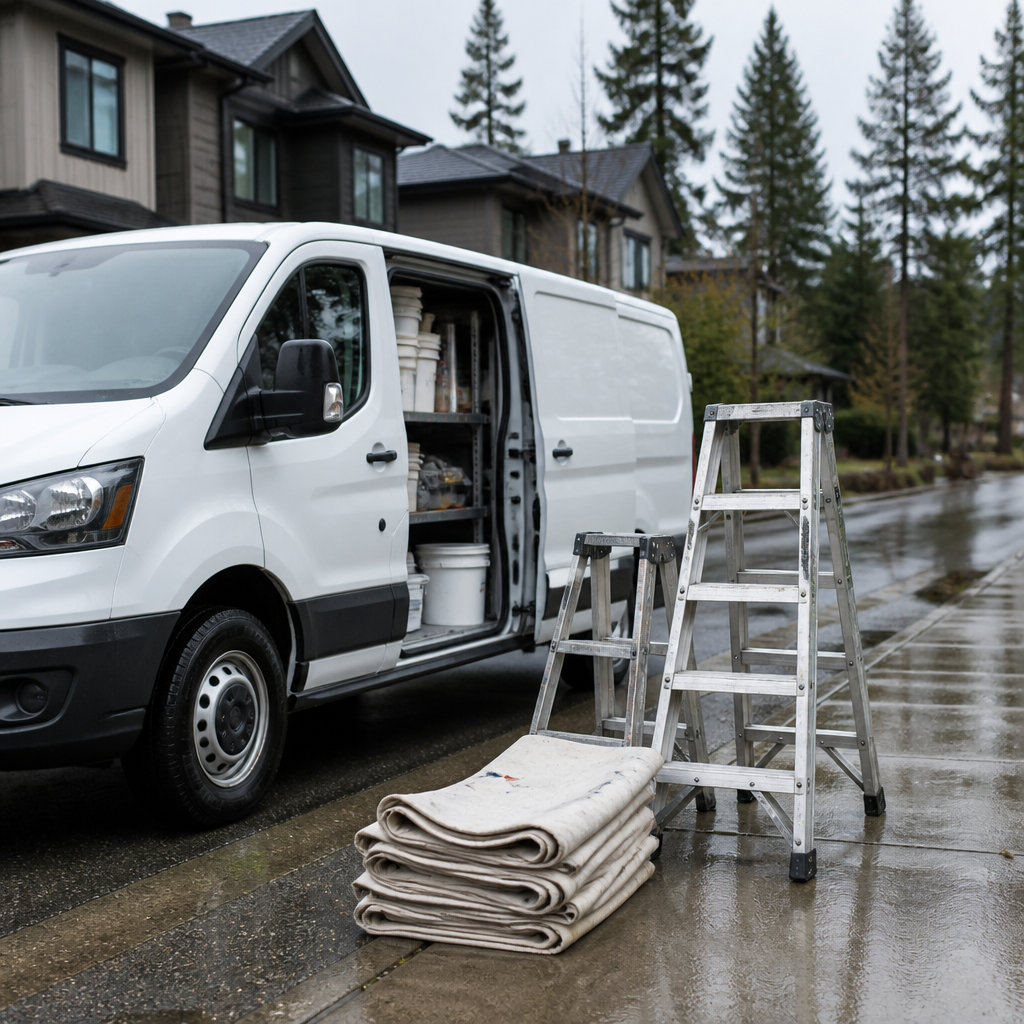
Liability and Workers’ Compensation Coverage
Ask for a current certificate of liability insurance and check that the policy is active, not expired. In British Columbia, also ask for confirmation that workers are covered under the provincial workers’ compensation system. If a contractor says their crew is “covered by us” without documentation, treat that as no coverage until you see paperwork.
Warranties That Actually Mean Something
A workmanship warranty should state how long it lasts, what it covers, such as peeling, blistering, or premature fading, and what it excludes. Ask whether the warranty is written into the contract and whether the company still exists in the same form. A warranty from a business that may not be around in five years is only as good as its name on a page.
Pro tip: Ask the contractor to add their insurance certificate and warranty terms to the contract as attachments. Paperwork you can file is far more useful than a verbal promise if a dispute ever starts.
Reading Reviews and References Critically
Reviews are useful, but they are also easy to game, and a handful of five-star comments can hide a pattern of missed deadlines or messy cleanup. Look at the overall spread across several platforms instead of one average score. Pay attention to how the company responds to complaints, because that tells you more about their process than any polished testimonial.
Reading Reviews Across Several Platforms
Check more than one source and read the most recent twelve months closely. Look for repeated themes, such as cleanup, communication, or color matching, rather than isolated comments. A company that answers a negative review with specifics and a fix is usually easier to work with than one that replies with a generic apology.
Questions to Ask Past Clients
When you call a reference, ask whether the project finished on schedule, whether the crew protected furniture and landscaping, and whether the contractor came back to fix anything. Ask how the paint looks now, not how it looked on the day it was finished. The most useful question is whether they would hire the same crew again for a bigger job.
Red Flags That Should End the Conversation
Some warning signs appear early and cost nothing to notice. A contractor who pushes you to sign the same day, asks for a large cash deposit, or refuses to put the scope in writing is showing you how the rest of the project will go. Walking away at this stage is a normal, healthy decision.
Pressure and Deposit Warnings
A reasonable deposit is usually modest and tied to a clear schedule of materials or mobilization. Be wary of requests for the full amount upfront or payments to a personal account. If the price is only available “today,” the contractor is selling urgency rather than quality.
Vague Scope and Verbal Promises
Phrases such as “we’ll take care of the details” or “the usual prep” are not scope descriptions. A reliable contractor will name the rooms, surfaces, number of coats, and cleanup standards in the contract. If it is not written down, plan on it not happening.
Scheduling Around Fraser Valley Weather
Timing affects exterior paint more than most homeowners expect. Cool, damp days slow drying, extend the time before rain can hit fresh coats, and can leave a finish that looks fine but does not bond well. A careful contractor will plan exterior work around the weather rather than rushing it into a wet forecast.
Exterior Work in Cool, Damp Months
In the wetter months, ask how the contractor monitors temperature and moisture and what they do when the forecast turns. A good answer includes a stated plan for pausing work and re-scheduling without penalty to you. A bad answer is a promise that they will “push through” the weather.
Interior Projects Around Your Life
Interior painting is less affected by weather but more affected by occupancy. Ask whether the crew will move furniture, protect floors, and work in phases so you can keep using the kitchen or bedrooms. Clear expectations about access and daily cleanup matter just as much as the paint itself. Ask the same questions whether you hire house painters in Pitt Meadows or painters in Maple Ridge.
Pro tip: Ask for a daily cleanup standard in writing, such as protecting floors, removing debris each evening, and returning tools to a set area. That single line prevents many of the most common complaints about painting crews.
Frequently Asked Questions
How many painting estimates should I get before hiring?
Get at least three written estimates from different companies. Consumer Reports advises consulting at least three painters, and that range is the simplest way to spot a bid that is too high or too low for the actual scope.
What should a painting estimate include?
A complete estimate should list labor, materials, the number of primer and topcoat applications, the brand and product line, and a detailed description of the surface preparation. If any of those items are missing, the estimates are not comparable.
Do I need to check a painter’s insurance?
Yes. Ask for a current certificate of liability insurance and confirmation that workers are covered under the provincial workers’ compensation system before you pay a deposit. Without that paperwork, you could be liable for an injury or damage on your property.
Is the lowest painting bid usually a bad choice?
Not always, but the lowest bid often reflects less prep, fewer coats, or thinner products. Compare line items against the other estimates and ask the low bidder to explain each difference. If the scope matches once you adjust for it, the price may be fair.
When is the best time to paint the exterior of a home in the Fraser Valley?
Exterior work is usually best scheduled during drier, milder months, when the surface can dry fully between coats and rain is less likely to interrupt the job. Ask your contractor how they plan around the forecast and what happens to the schedule if weather shifts.
Tell us in the comments: what question revealed the most about the painting contractor you ended up choosing, or the one you wish you had asked first?

