

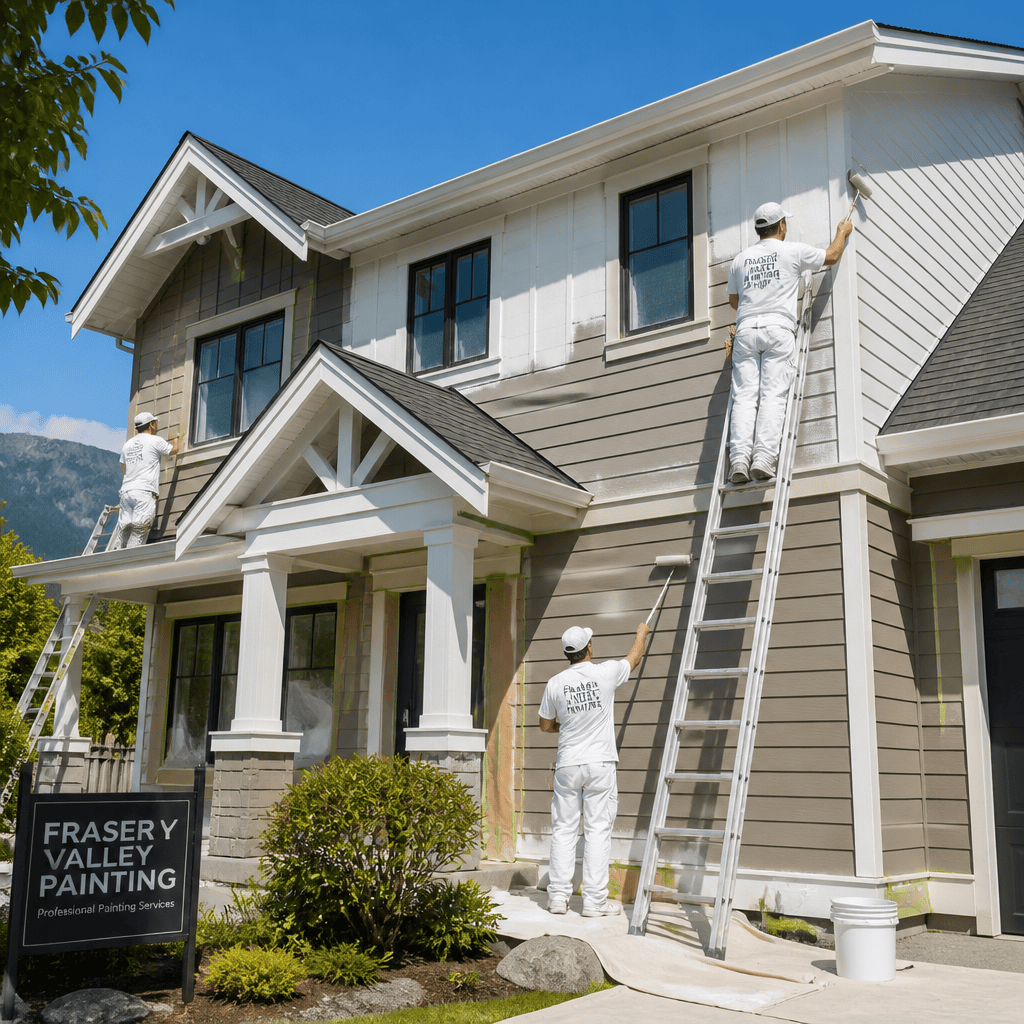
Most homeowners in the Fraser Valley and Lower Mainland treat exterior painting as a project they can tackle any time of year. That assumption costs them money, adhesion failures, and peeling paint within two seasons. Exterior painting summer BC conditions are not just convenient – they are genuinely superior for paint performance, prep work, and contractor scheduling. If you own a home in Abbotsford, Langley, Surrey, or anywhere across Metro Vancouver, the case for booking your exterior repaint between late May and early September is overwhelming. Here is exactly why, and what to watch out for even in peak season.
Table of Contents
- Quick Takeaways
- Why Temperature and Humidity Dictate Paint Performance
- BC’s Summer Weather Window and Why It Matters
- What Goes Wrong When You Paint Outside the Optimal Window
- Comparing Seasons for Exterior House Painting Timing
- How to Choose the Right Painting Contractor in Vancouver and the Fraser Valley
- Summer Prep Work That Determines How Long Your Paint Lasts
- Frequently Asked Questions
- References
Quick Takeaways
| Key Insight | Explanation |
|---|---|
| Ideal application temperature is 10°C to 32°C | Most exterior latex and acrylic paints require surface and air temperatures above 10°C for proper film formation. BC summers reliably deliver this window. |
| Low humidity accelerates cure time | BC’s dry July and August conditions reduce the risk of blistering, poor adhesion, and extended drying times that plague spring and fall applications. |
| Longer daylight hours mean longer working windows | With 16+ hours of daylight in June and July, professional crews can complete multi-coat systems in fewer days, reducing scaffolding and labour costs. |
| Wood substrates must be dry before painting | Summer drying conditions allow wood siding moisture content to drop below the 15% threshold required for paint adhesion. Fall and spring rarely allow this. |
| Summer scheduling fills up by April | Reputable painting contractors in Vancouver and the Fraser Valley book their summer exterior slots months in advance. Waiting until July to call means waiting until next year. |
| Surface prep is faster and more thorough in summer | Pressure washing, caulking, and sanding dry faster in warm conditions, allowing crews to move through the prep sequence without weather-forced delays. |
| Paint warranties often depend on application conditions | Manufacturers like Sherwin-Williams and Benjamin Moore specify minimum application temperatures in their product warranties. Painting in sub-optimal conditions can void coverage. |
Why Temperature and Humidity Dictate Paint Performance
Paint is a chemistry problem first and an aesthetics problem second. When you apply exterior latex or acrylic paint, the water carrier in the formula needs to evaporate at a controlled rate so the polymer particles can fuse into a continuous, flexible film. If the temperature is too low or the humidity is too high, that process breaks down at the molecular level, and no amount of skill from your painter can compensate.
In practice, the failure modes are predictable. Painting below 10°C causes the coalescent agents in the paint to become sluggish, producing a film that looks fine for a few weeks but cracks within one freeze-thaw cycle. Painting in high humidity, which is exactly what you get in a Lower Mainland October or March, traps moisture beneath the film and produces blistering within months.
Relative humidity above 85% is a hard stop for exterior painting work. Environment Canada data for Vancouver shows that July and August average afternoon relative humidity sits between 55% and 65%, well inside the acceptable application window. By contrast, October afternoons regularly exceed 80% RH across the Fraser Valley.
“Proper surface preparation and correct application temperature are the two biggest predictors of exterior paint longevity. Everything else is secondary.” – Paint Quality Institute, Technical Advisory Panel
This is not a theoretical concern. At Dreamscape Painting, our estimators have inspected hundreds of homes across Abbotsford and Langley where a well-intentioned fall paint job failed prematurely, not because of poor materials, but because the application window was wrong. Fixing those failures costs more than the original job.
BC’s Summer Weather Window and Why It Matters
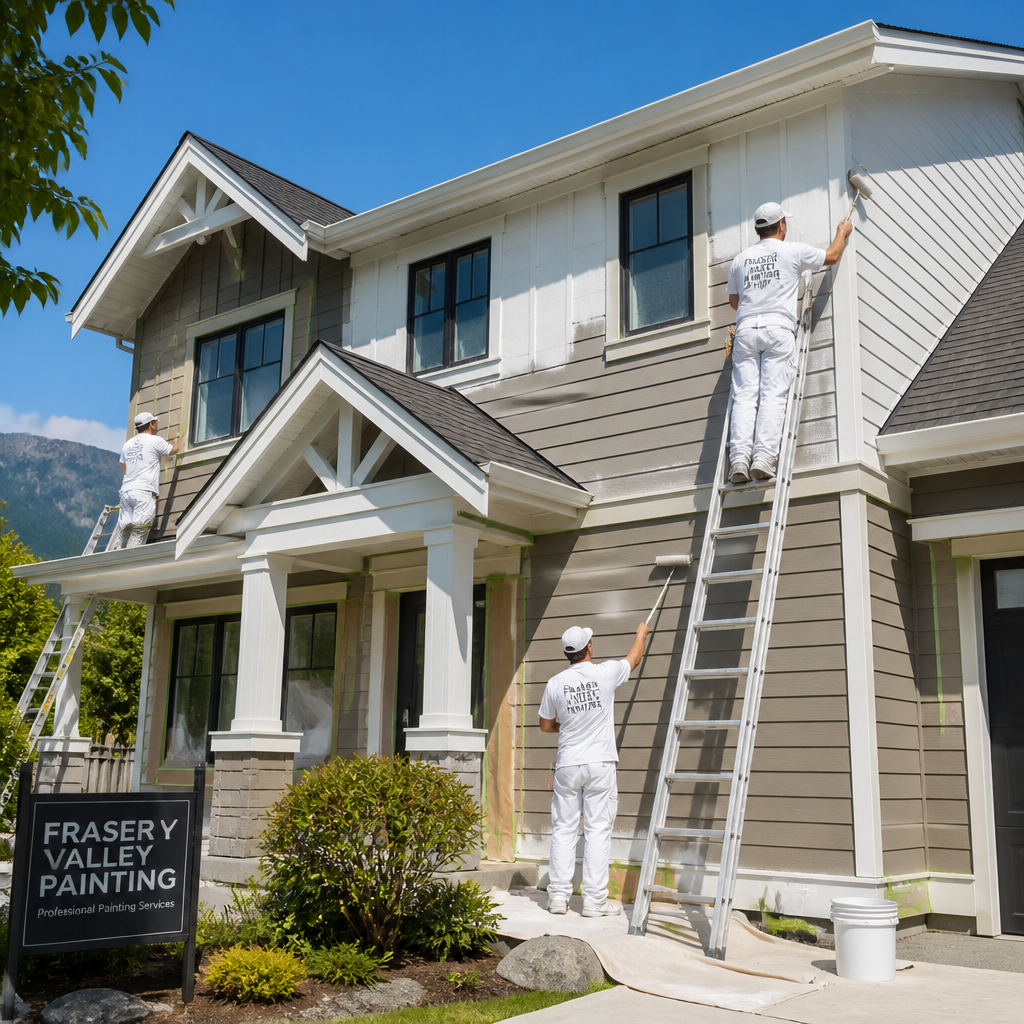
The Lower Mainland and Fraser Valley have a narrow but reliable dry season. The region’s Mediterranean-influenced climate means that July and August receive statistically low rainfall, with Metro Vancouver averaging roughly 36mm of precipitation in July compared to 168mm in November. That gap is enormous when you are trying to keep fresh paint dry for 4 to 6 hours after each coat application.
The Sweet Spot: Late May to Mid-September
Late May through mid-September gives exterior painting crews in BC the most predictable working conditions. Temperatures are consistently above the 10°C minimum threshold, afternoon humidity stays moderate, and rain events are shorter and more foreseeable than at any other point in the year.
June can still deliver surprise rain systems, particularly in the first two weeks, so experienced painting contractors in Vancouver time their project starts to avoid these patterns. July 1 through August 31 is the absolute peak window. Mid-September remains viable but requires daily weather monitoring as the fall moisture systems begin to return from the Pacific.
What Happens to Paint When Rain Hits Too Soon
A common mistake homeowners make is assuming that once paint looks dry to the touch, it is safe from rain. Touch-dry and cure-dry are completely different states. Most exterior acrylic paints become touch-dry in one to two hours but require 24 to 48 hours to cure sufficiently to resist rain washout.
If rain contacts a partially cured film, you get surfactant leaching, which shows up as white or tan streaks on the surface. In some cases, the film washes off entirely. Summer’s dry afternoons reduce this risk dramatically compared to any other season in BC.
Pro tip: Always ask your painting contractor to confirm they check the 72-hour forecast before scheduling each coat application day, not just the morning of. A reputable contractor like Dreamscape Painting does this as standard practice on every exterior job across Abbotsford, Surrey, and Langley.
What Goes Wrong When You Paint Outside the Optimal Window
Fall exterior painting in BC carries real risk that most homeowners discover too late. When temperatures begin dropping in October and November, the nights consistently dip below 10°C across the Fraser Valley, and the dew point rises. Paint applied in these conditions does not form a proper film, and the consequences show up in year two or three as widespread peeling, cracking, and chalking.
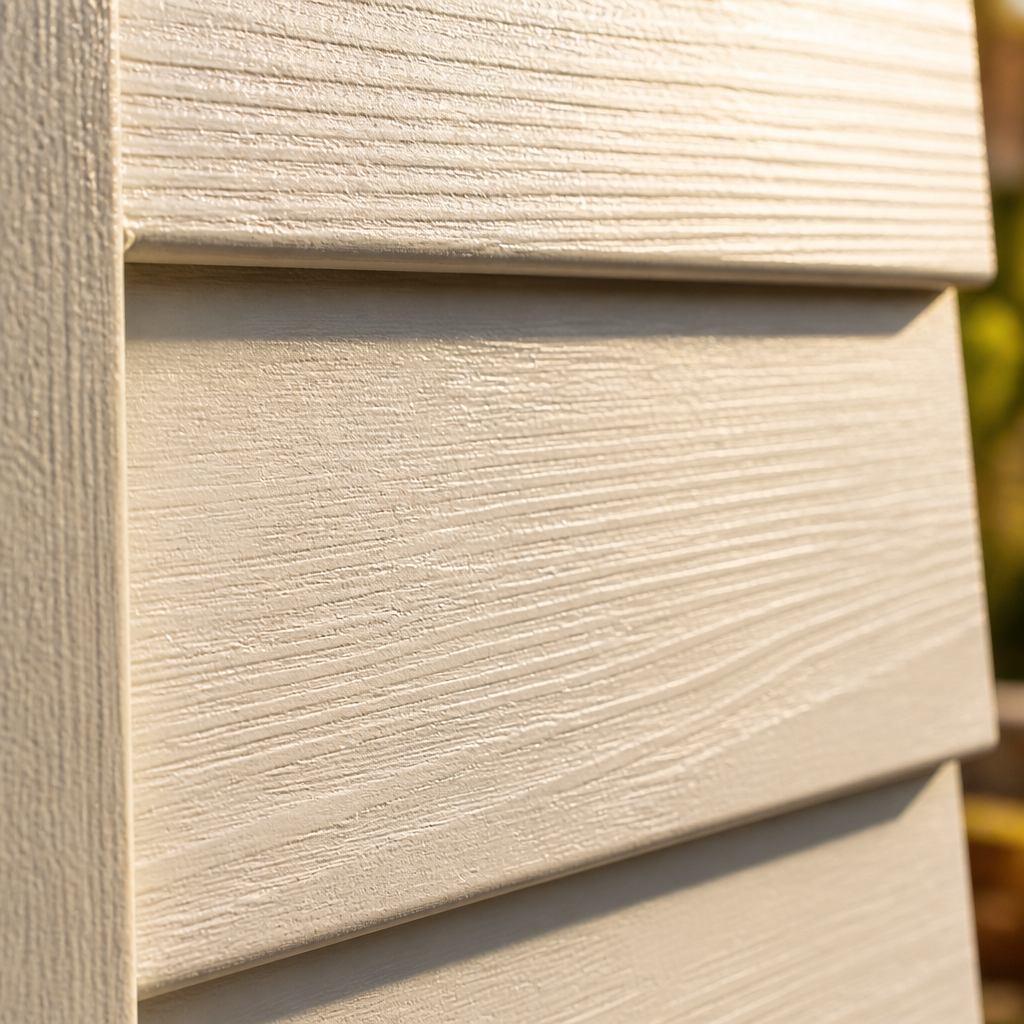
Spring painting, particularly March through April, is slightly better but still problematic in BC. The ground is saturated, wood siding retains elevated moisture content from the winter, and afternoon rain systems are frequent. Painting over wood siding with a moisture content above 15% is one of the most common causes of premature paint failure on homes in the Lower Mainland. A moisture meter check before any exterior job is non-negotiable.
Winter painting is simply not viable for exterior surfaces in BC. The chemistry does not work, and any contractor willing to do it in January is prioritizing the invoice over the result. This is the kind of differentiation that matters when evaluating painting contractors in Vancouver and the surrounding region.
Pro tip: If you are getting quotes in September and a contractor offers to paint your exterior in November without flagging temperature and humidity concerns, that is a red flag, not a bargain. Dreamscape Painting’s estimators are trained to advise against exterior work that falls outside manufacturer-specified application windows, even if it means deferring the project to the following summer.
Comparing Seasons for Exterior House Painting Timing
The table below cuts through the seasonal debate with direct, data-informed comparisons for BC’s Lower Mainland and Fraser Valley climate. Exterior house painting timing decisions should be based on measurable factors, not convenience.
| Factor | Summer (June to September) | Fall (October to November) | Spring (March to May) |
|---|---|---|---|
| Average Temperature Range | 18°C to 28°C daytime highs | 5°C to 14°C daytime highs | 10°C to 17°C daytime highs |
| Average Relative Humidity (Afternoon) | 55% to 65% in July and August | 75% to 88% in October | 65% to 80% in April |
| Average Precipitation (Monthly, Metro Vancouver) | 36mm to 45mm | 114mm to 168mm | 70mm to 90mm |
| Wood Siding Moisture Drying Conditions | Excellent – moisture drops to safe levels quickly | Poor – wood remains saturated from summer rain | Fair – depends heavily on the specific week |
| Paint Cure Risk | Low – long dry windows between coats | High – overnight dew and rain risk | Moderate – unpredictable afternoon rain |
| Contractor Availability | Limited – books fast, plan ahead | Higher availability but conditions are poor | Moderate availability, weather delays likely |
| Paint Warranty Compliance | Fully compliant with manufacturer specs | Often non-compliant below 10°C nights | Borderline – requires careful scheduling |
The data is not ambiguous. Summer is the only season in BC that reliably satisfies all the technical conditions for a durable, warranty-compliant exterior paint job. Fall and spring carry real risk, and that risk is passed on to the homeowner in the form of early failure and repainting costs.
How to Choose the Right Painting Contractor in Vancouver and the Fraser Valley
The quality of the paint job depends as much on the contractor as it does on the season. In a market with dozens of options across Metro Vancouver and the Fraser Valley, the differences are real and consequential. A contractor who understands exterior painting summer BC conditions will schedule around the weather, not against it.
What a Credible Exterior Painting Estimate Looks Like
A credible estimate from a painting contractor in Vancouver or Abbotsford includes a site visit from an experienced estimator, not just a number texted after a photo review. It should specify the paint product, number of coats, surface preparation steps, and application method. If the estimate does not mention prep work in detail, the contractor is planning to skip most of it.
Dreamscape Painting has provided detailed written estimates for over 35 years, and our estimators inspect substrate condition, measure moisture levels where warranted, and flag any repair work required before painting begins. This is standard practice, not a premium upsell.
Questions to Ask Before Signing an Exterior Painting Contract
Ask the contractor what happens if rain is forecast after a coat is applied. Ask them what minimum surface temperature they work to. Ask whether their painters are employees or subcontractors. Ask for references from exterior jobs completed in Abbotsford, Langley, or Surrey in the past two years, not just testimonials on a website.
A family-owned company with 35 years of experience in the Lower Mainland carries accountability that a newly incorporated operation simply cannot match. When something goes wrong, the principals are reachable and invested in resolution. That matters on a project where your home’s most visible surface is at stake.
Summer Prep Work That Determines How Long Your Paint Lasts
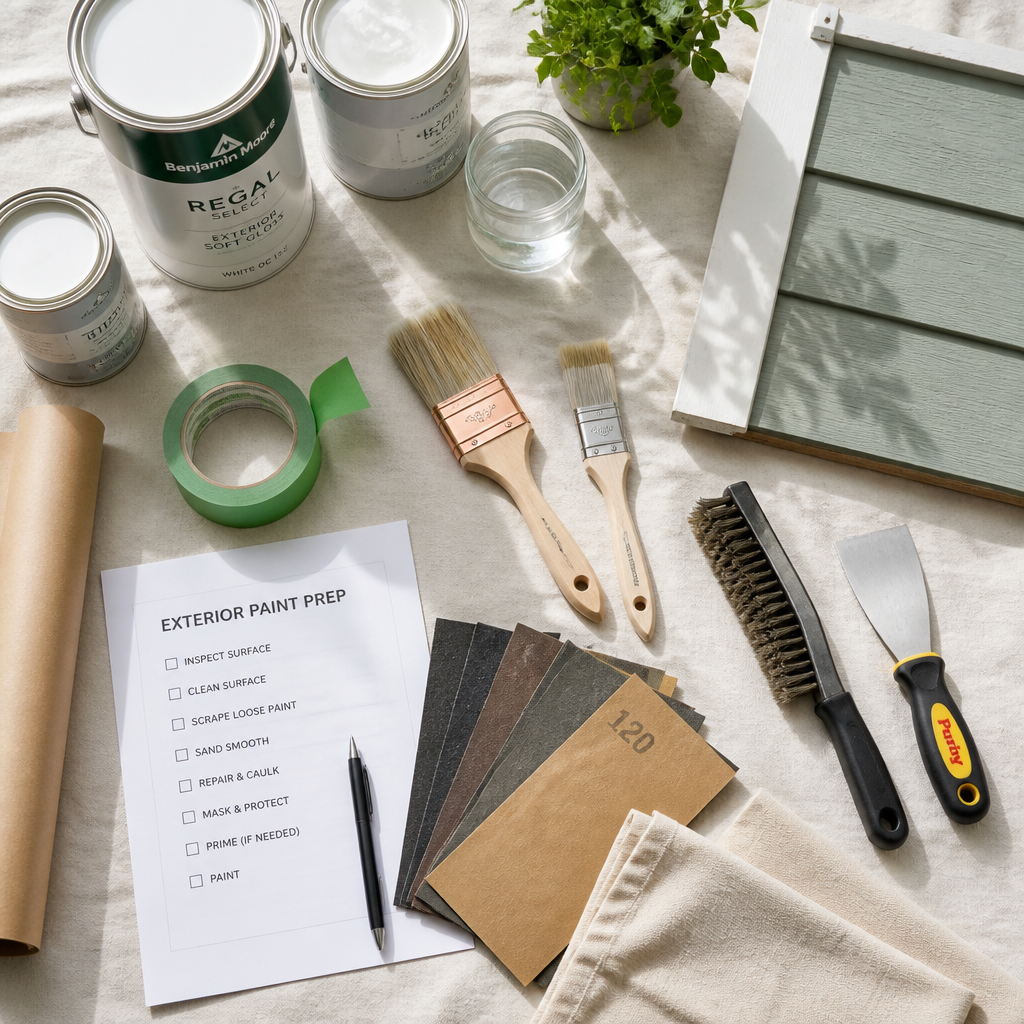
Preparation is where most exterior paint jobs win or lose, and summer conditions make thorough prep significantly more achievable. In practice, a properly executed exterior repaint spends more time in prep than in actual painting. If your contractor is on-site painting on day one, something has been skipped.
Pressure Washing and Surface Cleaning
All exterior surfaces must be pressure washed before painting to remove dirt, mildew, oxidized paint, and chalking residue. In summer conditions, washed surfaces dry within 24 to 48 hours on BC homes. In October, that drying window extends to three to five days and often gets interrupted by rain. Summer simply allows this step to happen correctly.
Caulking, Wood Repair, and Priming
After washing, all failed caulk must be removed and replaced, particularly around window frames, door trim, and board-and-batten joints. Caulk requires temperature above 5°C to apply and above 10°C to cure properly. Summer provides this without any uncertainty. Rotted wood sections must be repaired or replaced before priming, and primer must be applied to all bare wood and repaired areas before topcoats.
The data consistently shows that homes repainted without full primer application over bare wood fail at the edges and joints within two to three years, regardless of the quality of the topcoat. There are no shortcuts here that do not eventually cost the homeowner more money.
Dreamscape Painting’s exterior crews follow a documented prep sequence on every job. Clients in Langley and Surrey regularly note the time our crews spend on prep as a differentiator from other quotes they received. For more detail on what to expect from a full exterior project, visit our exterior painting services page or review our company background to understand our standards.
Frequently Asked Questions
How early in the summer can exterior painting start in BC?
Late May is generally viable in the Fraser Valley and Lower Mainland if temperatures are consistently above 10°C during application and for at least 4 hours afterward. In practice, the first two weeks of June still carry a meaningful risk of cool overnight temperatures and afternoon rain systems, particularly in Abbotsford and the eastern Fraser Valley. The safest start window is after June 15, with July and August being the most reliable months.
Does the colour of the exterior paint affect how it performs in summer heat?
Yes, and this is a frequently overlooked factor. Dark colours absorb significantly more solar radiation and can cause the paint surface temperature to exceed 60°C on south-facing walls in peak summer. Most modern exterior acrylic paints handle this well, but application during extreme heat should be done on shaded sides of the house first and during cooler morning hours. Applying paint to a surface that is in direct sun with a surface temperature above 35°C can cause flash drying and poor levelling.
Can I paint my exterior myself in summer, or should I hire a contractor?
The season gets you the right conditions, but execution still determines durability. DIY exterior painting on a single-storey home with straightforward siding is achievable if you are committed to the full prep sequence, use a premium exterior paint product, and apply two full coats. For anything involving height, complex trim, hardboard or wood siding in poor condition, or multi-storey work, hiring an experienced painting contractor in Vancouver or the Fraser Valley is the better decision for safety and finish quality.
How long does an exterior paint job last on a BC home when done correctly in summer?
A properly prepared and correctly applied exterior repaint using premium acrylic products on a BC home should last 8 to 12 years before requiring full repainting. Touch-up maintenance at years 4 to 6 extends this significantly. Homes that were painted in poor conditions or without proper prep typically show failure within 3 to 5 years. The seasonal timing of application is one of the largest variables in that range.
Why do painting contractors in Vancouver book up so quickly for summer?
Because every contractor in the region knows what homeowners are slowly learning: summer is the only reliable window for exterior work in BC. Reputable companies like Dreamscape Painting receive the majority of their exterior painting inquiries between March and May for summer project slots. By the time most homeowners start thinking about their exterior in June or July, the best contractors are already committed through August. The practical advice is to contact your preferred contractor no later than April for a summer booking.
Is summer exterior painting more expensive than other seasons?
Not necessarily from a materials perspective. Labour rates for experienced painting contractors in the Lower Mainland are relatively stable year-round. What changes is availability. Contractors with the best track records do not discount for off-season work because the risk to the finished product is too high, and their reputation depends on results, not volume. If you are offered a significant discount to paint your exterior in November, treat that as a warning sign rather than a deal.
If you have had your home’s exterior painted in summer or another season in the Fraser Valley, share what your experience was with the finish quality and how long it held up – your observations help other homeowners make better decisions.
We would love your feedback and any insights you would share with others. What perspective would you add?
References
- Environment and Climate Change Canada – historical precipitation and humidity data for Metro Vancouver and the Fraser Valley
- National Research Council of Canada – building envelope and coating performance standards for residential construction
- Forbes Home – expert analysis on home maintenance costs and exterior painting return on investment
- Statista – residential remodelling and painting industry data for Canada and the United States
- Natural Resources Canada – wood moisture content standards and building material performance in Canadian climates

