

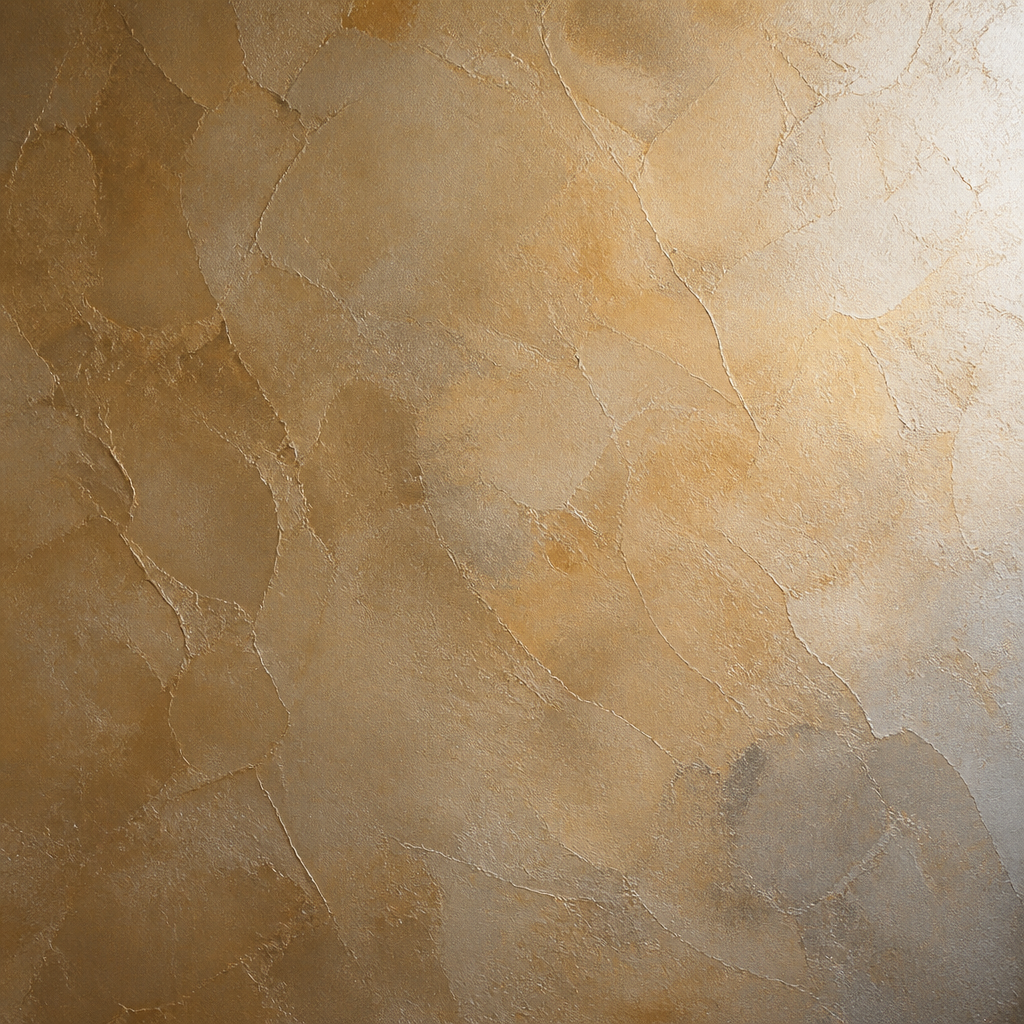
Most homeowners think painting is painting: pick a colour, roll it on, and call it done. But there is a category of paintwork that operates in an entirely different league, and once you see it applied to a real space, standard flat paint feels like a rough draft. Fine finishes painting covers a broad range of decorative and specialty techniques that transform walls, cabinetry, and architectural features into surfaces with genuine visual depth. After more than 35 years delivering this work across the Fraser Valley and Lower Mainland, Dreamscape Painting Ltd. knows exactly which techniques hold up and which ones are oversold. This guide explains every major technique in plain terms, so you can make an informed decision before you call in a crew.
Table of Contents
- What Is Fine Finish Painting?
- Quick Takeaways
- Venetian Plaster: The Gold Standard for Wall Depth
- Limewash and Colour Washing: Organic Texture for Fraser Valley Homes
- Glazing and Decorative Faux Finishes
- Marbling and Trompe l’Oeil: When You Want Real Drama
- Fine Finishes on Cabinets: A Category of Their Own
- Technique Comparison: Which Specialty Finish Is Right for Your Home?
- Surface Prep: The Real Determinant of Quality
- Frequently Asked Questions
- References
What Is Fine Finish Painting?
Fine finish painting refers to any painting application that goes beyond standard single-coat interior or exterior coverage. It includes techniques that create texture, depth, luminosity, or a specific tactile quality on a surface. The term encompasses everything from Venetian plaster and limewash to glazing, colour washing, marbling, and trompe l’oeil work.
What separates fine finishes from a standard paint job is not just the material, but the method. These techniques require multiple coats, layered application, careful timing, and often two trained painters working simultaneously to keep edges wet and consistent. The result is a surface that changes appearance as light moves across it through the day, something no standard roller application can replicate.
In the Fraser Valley and Lower Mainland, the specific climate conditions matter. Higher humidity levels during fall and winter affect drying time between coats, which in turn affects how well layers bond and how the final surface reads. Experienced fine finish painters account for this. General-purpose crews who apply the same technique regardless of season and humidity rarely achieve the same result.
Quick Takeaways
| Key Insight | Explanation |
|---|---|
| Surface prep determines the outcome | No specialty finish can compensate for a surface that has not been properly cleaned, primed, and skim-coated flat. Imperfections telegraph through every layer. |
| Limewash is a practical choice for older Fraser Valley homes | Unlike synthetic faux finishes, limewash breathes through the wall surface, making it well-suited for older homes with plaster walls that still carry moisture. |
| Venetian plaster requires burnishing, not just application | The depth and luminosity in Venetian plaster comes from the burnishing stage. Skipping or rushing it produces a flat, chalky result that defeats the purpose. |
| Glazing and colour washing need two painters in large rooms | Both techniques must stay workable while being manipulated. In a large room, maintaining a wet edge requires two trained painters working simultaneously. |
| Cabinet refinishing demands semi-gloss or purpose-built enamel | Flat or eggshell on kitchen cabinets absorbs grease and degrades quickly. Semi-gloss or a dedicated cabinet enamel is the only finish that holds up under daily kitchen use. |
| Marbling is only as good as the painter’s knowledge of real marble | Convincing marbling requires understanding how actual stone veins form, not just replicating a stylized version. A painter who has not studied the real thing will produce a cartoonish result. |
| BC’s humidity requires technique adjustment between seasons | Lower Mainland and Fraser Valley humidity levels change drying times between layers. Skilled painters adjust their process seasonally. Crews that do not account for this produce finishes that crack or peel prematurely. |
Venetian Plaster: The Gold Standard for Wall Depth
Venetian plaster is a decorative wall finish traditionally made from slaked lime and marble dust. When applied in thin, layered coats and burnished, it creates a surface that mimics natural stone, rich with depth, variation, and luminosity. It is one of the most technically demanding finishes available to residential homeowners, and also one of the most rewarding when executed correctly.
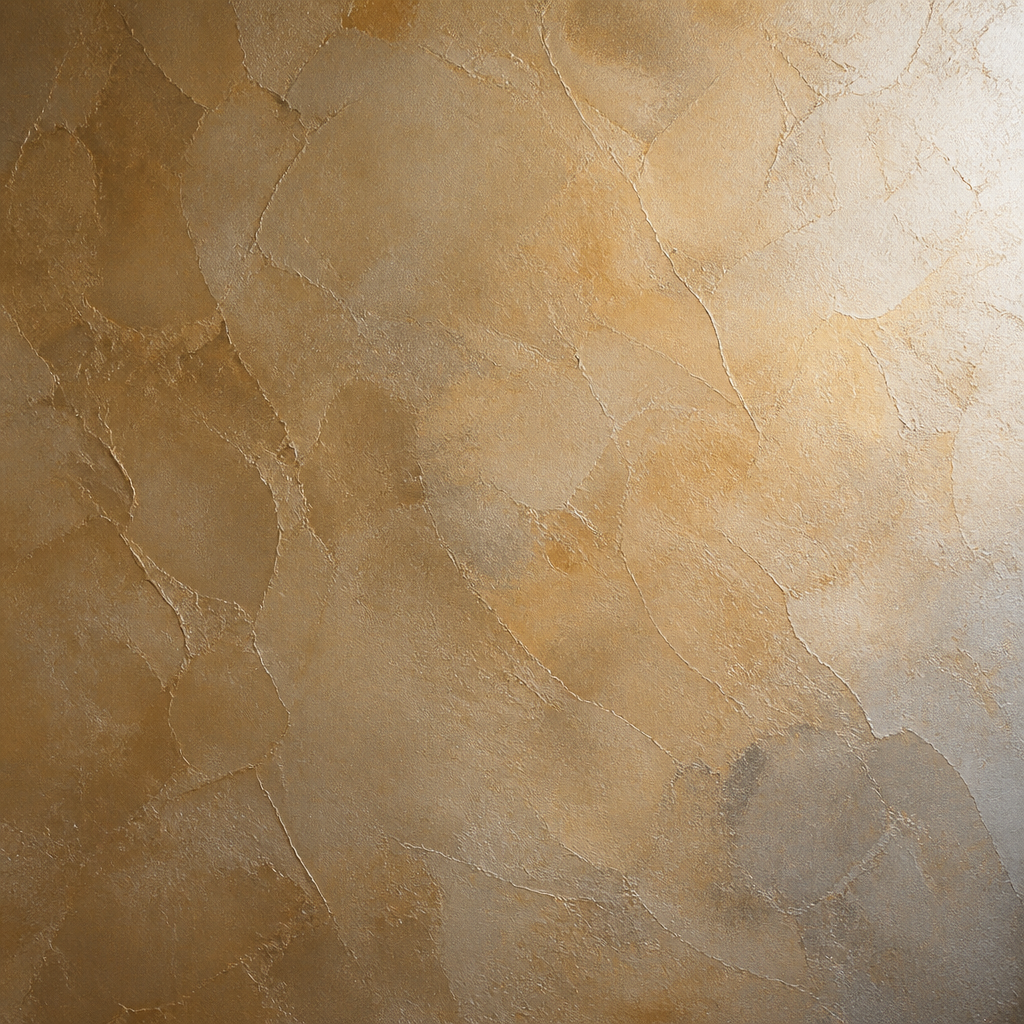
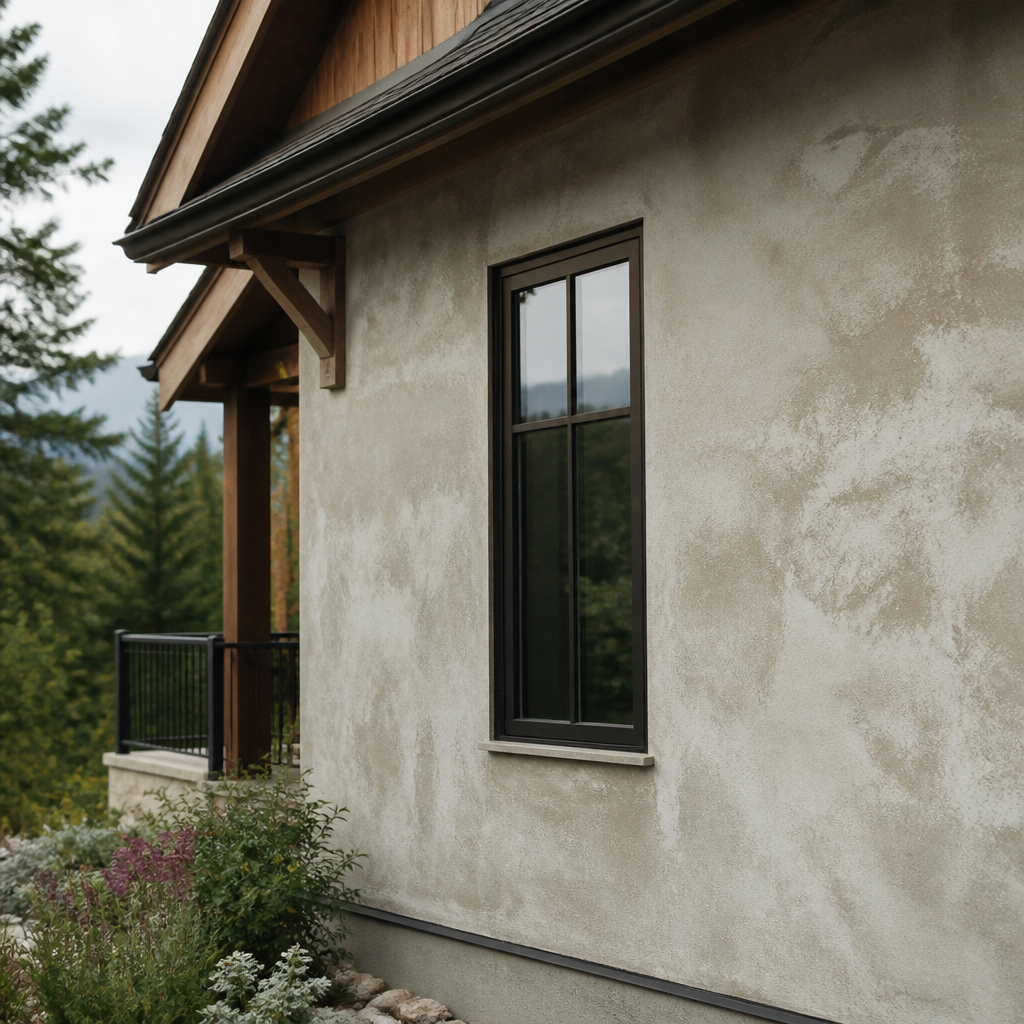
The application process involves a minimum of two to three coats, each applied thinly and allowed to partially set before the next layer goes on. The final burnishing stage, where the surface is polished with a steel trowel under pressure, is what produces the characteristic sheen and depth. The colour shifts as the angle of light changes, which is why a well-executed Venetian plaster wall looks genuinely alive in a way a painted surface simply does not.
A common mistake is applying Venetian plaster over surfaces that have not been skim-coated flat. Any hollow, crack, or tool mark underneath will telegraph through the finished surface. This is one reason the technique demands experienced painters rather than general-purpose crews. If the substrate is not properly prepared, the most skilled application technique in the world cannot save the final result.
Pro tip: Request a sample board from your painter before committing to Venetian plaster across a full wall or room. A quality practitioner will be able to show you burnished and unburnished sections on the same board so you can see exactly what you are approving.
Where Venetian Plaster Works Best in Fraser Valley Homes
Venetian plaster performs best on accent walls, fireplace surrounds, and feature walls in formal living and dining rooms where the changing light throughout the day can do justice to the finish. It is less practical in hallways or rooms with heavy moisture exposure, where the surface would require additional sealing that changes the final appearance.
In Abbotsford and Langley homes, where open-plan living areas have become common in both new construction and renovated character homes, a single Venetian plaster feature wall can anchor the whole space without overwhelming it.
Limewash and Colour Washing: Organic Texture for Fraser Valley Homes
Limewash has experienced a significant resurgence in popularity across the Lower Mainland and Fraser Valley. It is made from slaked lime and water, applied in thin washes that build up a chalky, organic surface with natural variation. Unlike synthetic faux finishes, limewash actually breathes through the wall surface, making it a practical choice for older homes with plaster walls.
The application technique determines everything. Too heavy an application flattens the effect and produces an opaque, chalky coat that looks nothing like the depth the finish is supposed to achieve. Too light, and the colour lacks presence. Experienced painters work in thin, overlapping passes, building the finish in layers and sometimes wiping back sections to reveal the underlying coat in areas where natural weathering would have occurred on an authentic surface.
The sheen of a paint and the character of a specialty finish are not stylistic afterthoughts. They are functional specifications that determine how the surface will perform and how a room will feel for the next ten years.
Colour Washing: A Softer, More Accessible Alternative
Colour washing uses a diluted paint mixture applied with a wide brush in overlapping strokes to produce a soft, aged linen effect. The technique is less dramatic than Venetian plaster but warmer and more forgiving than a flat-painted surface. It suits bedrooms, studies, and dining rooms where the goal is atmosphere rather than a high-impact focal point.
Both limewash and colour washing are highly sensitive to application speed. The wash must remain workable long enough to manipulate, which means working in sections and maintaining a wet edge. In a large room, this typically requires two painters working simultaneously. A solo painter attempting a colour wash across a large wall will almost always produce a visible line where the wet and dry sections met.
Pro tip: For limewash applied in the Fraser Valley during cooler months, experienced painters adjust dilution ratios slightly to account for slower evaporation in higher ambient humidity. This prevents the finish from sitting too wet on the surface and producing a streaky result. Ask your painter directly whether they adjust for seasonal conditions, as this is a clear indicator of genuine experience with the technique.
Glazing and Decorative Faux Finishes
Glazing involves applying a translucent tinted glaze over a dried base coat. The glaze is then manipulated with brushes, rags, or sponges while still wet to create broken colour effects, from subtle depth on a single-colour wall to more pronounced patterned textures. The base coat colour shows through the glaze and interacts with it visually, which means the two colours must be selected together, not independently.
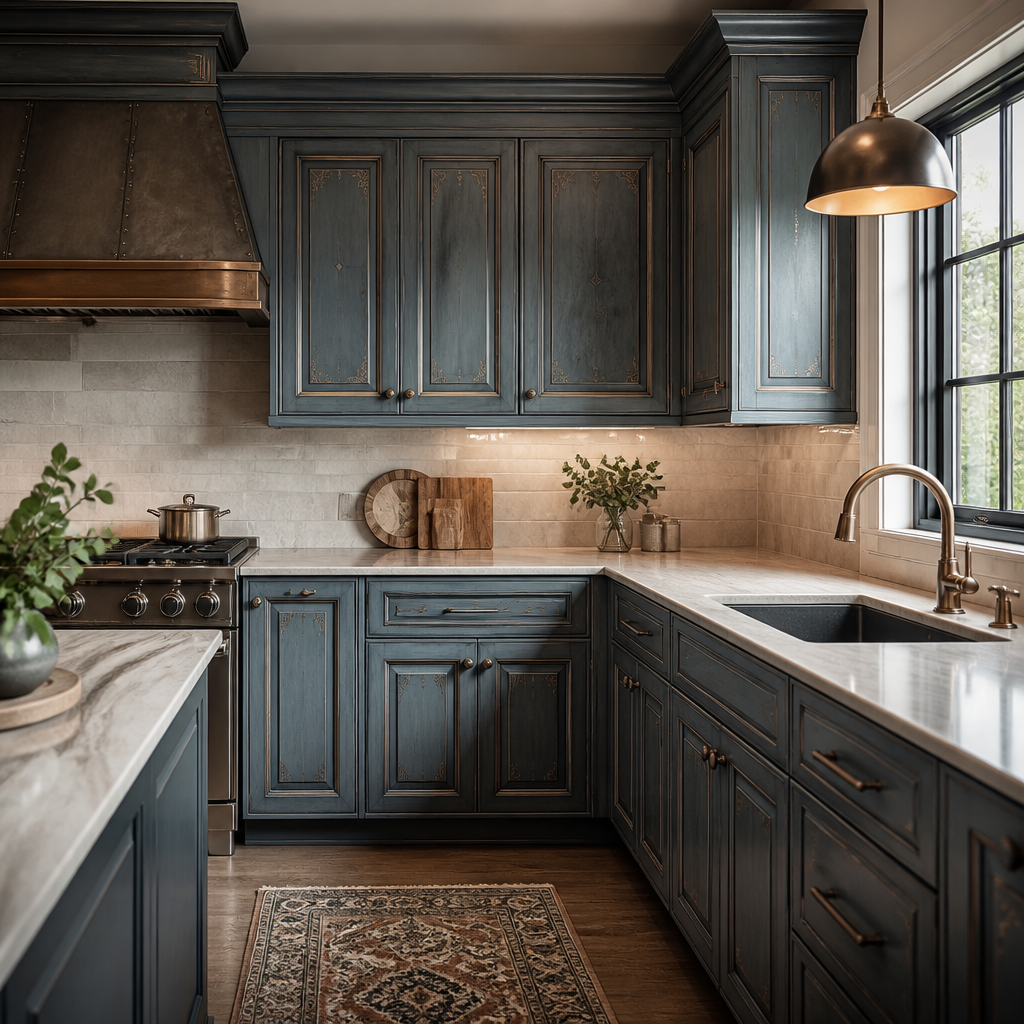
Glazing is one of the more forgiving specialty finishes in terms of substrate requirements, since the broken colour effect is designed to have variation. However, it still requires a properly primed and sanded surface for the glaze to adhere evenly. On a surface with patchy primer or contamination, the glaze will absorb unevenly and produce blotches rather than intentional variation.
Rag Rolling and Sponging: Understanding the Spectrum of Glaze Effects
Within glazing, different application tools produce different effects. Rag rolling creates a crumpled, fabric-like texture. Sponging with a natural sea sponge produces a mottled, organic pattern. Dragging, where a comb or dry brush is pulled through wet glaze, creates fine parallel lines that suggest wood grain or a more structured surface. Each approach suits different rooms and design objectives.
The mistake most homeowners make when requesting a glaze finish is not specifying the level of contrast they want between the base and glaze colours. A high-contrast combination produces a dramatic, clearly patterned surface. A low-contrast combination produces subtle, almost tonal depth. Both are valid, but they serve entirely different design purposes, and a painter who does not confirm this detail before starting will produce a finish that may not match expectations.
Marbling and Trompe l’Oeil: When You Want Real Drama
Marbling is a hand-painted technique that replicates the veining and depth of natural stone. It requires exceptional colour mixing skills and a thorough knowledge of how real marble actually looks, not just a stylized version of it. The veining in real marble follows natural fracture lines in the stone, changes width and direction, and sometimes branches or terminates. A painter who has not studied actual marble will produce veining that looks mechanical or cartoon-like.
When executed correctly, painted marbling on a fireplace surround, column, or architectural panel can be genuinely indistinguishable from the real material at conversational distance. It is also significantly lighter than real stone and allows for colour combinations that do not exist in nature, which opens up design possibilities unavailable with the material itself.
Trompe l’Oeil for Fraser Valley Interiors
Trompe l’oeil, which translates from French as “deceives the eye,” is the broader category that encompasses any painted illusion, including architectural details, murals, and material simulations. A painted bookshelf on a blank wall, a false window that appears to look into a garden, a coffered ceiling that does not structurally exist: all of these fall under trompe l’oeil.
This is the most labour-intensive category of specialty painting, and the cost reflects that. It is not the right choice for every room or every budget, but for a specific architectural or design challenge, a skilled trompe l’oeil painter can solve problems that no other trade can. A dark, windowless hallway becomes a completely different space with a well-executed painted landscape panel. This is not a technique to approach with a low-bid mentality. The quality of the result is entirely a function of the painter’s skill.
Fine Finishes on Cabinets: A Category of Their Own
Cabinet refinishing is one of the areas where fine finish selection has the most visible and lasting impact in a Fraser Valley home. Kitchen cabinets take grease splatter, daily handling, and moisture exposure. The finish must be durable enough to withstand all three, which eliminates flat and eggshell from consideration entirely.
For painted cabinet refinishing, semi-gloss or a purpose-built cabinet enamel is always the professional recommendation. Semi-gloss resists grease absorption better than satin and cleans more completely with a damp cloth. Cabinets painted in flat or even eggshell will absorb grease and begin to degrade within a year of normal kitchen use. Semi-gloss wipes clean and maintains its integrity for years when applied correctly over properly primed surfaces.
High-gloss is a different category entirely. It is mirror-like, dramatic, and completely unforgiving of surface imperfections. It is best reserved for specific architectural details, exterior doors where a statement finish is the goal, or furniture accents that have been sanded to perfection before application. For kitchen cabinets in most Fraser Valley homes, the practical choice is semi-gloss or a purpose-formulated cabinet enamel that offers superior adhesion and hardness. We run a dedicated spray shop for cabinet painting in Pitt Meadows and Maple Ridge cabinet painting.
The prep work for cabinet refinishing defines the outcome as much as the finish itself. Doors must be removed, degreased thoroughly, sanded, and primed with a product compatible with the topcoat. Any painter who offers to refinish cabinets without removing the doors first is cutting a corner that will show in the final result within months.
Technique Comparison: Which Specialty Finish Is Right for Your Home?
Choosing the right specialty finish depends on the room, the substrate condition, your design objective, and your tolerance for maintenance. The table below compares three of the most commonly requested fine finishes across the criteria that matter most to homeowners in Abbotsford, Surrey, Langley, and the wider Fraser Valley.
| Finish Technique | Best Application | Key Practical Consideration |
|---|---|---|
| Venetian Plaster | Feature walls, fireplace surrounds, formal living and dining rooms | Requires a perfectly flat, skim-coated substrate. Cannot be rushed between coats. Burnishing stage is non-negotiable for achieving the signature depth and sheen. |
| Limewash | Bedrooms, living rooms, older homes with plaster walls, any room seeking an organic Mediterranean or Scandinavian aesthetic | Breathes through the surface, making it suitable for older plaster walls. Application dilution must be adjusted for Fraser Valley humidity levels by season. Oversaturation flattens the finish. |
| Glazing / Colour Washing | Large rooms where layered colour depth is the goal, dining rooms, studies, accent walls in open-plan spaces | Requires two painters in large rooms to maintain a wet edge. Glaze and base coat colours must be selected together. High contrast produces drama; low contrast produces subtle tonal depth. Choose deliberately. |
Surface Prep: The Real Determinant of Quality
No specialty finish can save a poorly prepared surface. This is the single most important thing to understand before commissioning fine finish painting work, and it is the area where inexperienced or budget-driven crews most often cut corners. Surface preparation for specialty finishes is more demanding than for standard paint, because every layer of the finish is translucent or semi-translucent. Anything underneath shows through.
For Venetian plaster, the wall must be skim-coated flat and sanded smooth before a single trowel of material is applied. For limewash and colour wash, the surface must be clean, free of contamination, and primed with a product that will allow the wash to absorb evenly. For glazing, any patchy primer or texture variation will cause the glaze to absorb unevenly and produce blotches that undermine the intentional broken-colour effect.
In practice, the surface prep for a fine finish project often takes longer than the finish application itself. A crew that quotes a fast turnaround for Venetian plaster or limewash across a large area is almost certainly compressing the prep stage. The wall will tell the story within six months. Dreamscape Painting’s estimators are trained to assess substrate condition as the first step in any fine finish consultation, because accurate scope requires an honest evaluation of what the wall actually needs before any specialty material is discussed.
Pro tip: Before any specialty finish appointment, ask specifically what surface preparation is included in the quote and what it costs separately if additional skim-coating is required after the initial assessment. A clear answer to that question separates a professional fine finish crew from one that is simply selling the glamorous part of the job without the unglamorous work that makes it succeed.
Homeowners across Abbotsford, Langley, Surrey, and Chilliwack who have invested in fine finishes painting consistently report that the preparation conversation was the most useful part of the initial estimate. Understanding what your walls actually need is not a bureaucratic step. It is the difference between a finish that looks exceptional for a decade and one that starts peeling or crazing within a year. If you are ready to explore specialty finishes for your home, contact Dreamscape Painting Ltd. to schedule an assessment with an experienced estimator who can evaluate your specific substrate conditions and recommend the right approach for your space.
Frequently Asked Questions
What is the difference between fine finish painting and regular interior painting?
Regular interior painting involves applying one or two coats of a standard paint product to a wall using rollers and brushes. Fine finish painting uses specialty techniques, including Venetian plaster, limewash, glazing, colour washing, marbling, or trompe l’oeil, that require multiple layered coats, specific application tools, careful timing, and skilled manipulation to produce texture, depth, or a tactile quality that a standard roller cannot replicate. The preparation requirements are also significantly more demanding.
How long does a fine finish like Venetian plaster typically last?
A properly applied Venetian plaster finish on a correctly prepared surface should last many years without requiring refinishing, provided it is not subjected to excessive moisture or physical damage. The longevity depends almost entirely on the quality of the substrate preparation, the compatibility of the primer used, and whether the correct sealer was applied as a topcoat where moisture exposure is a concern. A finish that begins to crack or peel within the first year is almost always a surface preparation failure, not a material failure.
Can specialty finishes like limewash be applied over existing painted walls in my Fraser Valley home?
In many cases, yes, but it depends on what is already on the wall and the condition of the existing surface. Limewash adheres best to absorbent, matte surfaces. Over a glossy or semi-gloss painted wall, the limewash will not absorb properly without sanding and a compatible primer coat applied first. An experienced painter will assess the existing surface before recommending whether it can be coated directly or needs additional preparation. Older Fraser Valley homes with plaster walls that have been painted over multiple times may require specific assessment before any specialty finish is applied.
Is fine finish painting a practical choice for commercial spaces in the Lower Mainland?
Yes, and it is more common in commercial settings than many business owners realize. Glazed or limewashed feature walls in reception areas, boardrooms, restaurants, and retail environments create a distinct visual identity that standard painted surfaces cannot achieve. The durability considerations are the same as in residential applications: the finish selection must match the traffic and cleaning demands of the specific space. Dreamscape Painting Ltd. has delivered fine finish work in commercial environments across the Fraser Valley and Lower Mainland alongside its residential projects.
How do I choose between limewash and Venetian plaster for my living room?
The choice depends on the look you want and the condition of your walls. Venetian plaster produces a polished, luminous surface with depth that changes as light moves across it through the day. It is dramatic and formal. Limewash produces a softer, more organic, chalky surface with natural variation that reads as casual and warm. If your walls have any significant imperfections, Venetian plaster will require more prep work because it is applied over a smooth skim-coated surface. Limewash is more forgiving of subtle texture but still requires a properly primed, flat surface. A sample board from your painter is the best way to make a final decision, as photographs of either finish rarely capture how the surface actually behaves in a specific room’s light.
Why does fine finish painting cost more than standard painting?
Fine finish painting costs more for three concrete reasons: the materials are more expensive than standard paint, the preparation requirements are more demanding and time-consuming, and the application requires skilled painters who have developed specific techniques through practice. Many specialty finishes also require two painters working simultaneously to maintain wet edges and produce a consistent result across a large surface. Compressing any of these factors to reduce cost produces a visible outcome in the finished surface. The price reflects the genuine labour and skill involved, not a premium on the label.
Have you had a specialty painting finish applied in your home or commercial space? Share your experience in the comments, as your feedback helps other Fraser Valley homeowners make better-informed decisions.
References
- Dreamscape Painting’s expert guide to fine finish painting techniques in Vancouver and the Lower Mainland
- Dreamscape Painting’s room-by-room guide to choosing the right paint sheen for interior surfaces
- An in-depth look at Venetian plaster wall finishes, application, and design considerations
- Overview of Venetian plaster as a decorative wall technique, including history, application, and finish types

